Find a CBT Therapist for Social Anxiety and Phobia in West Virginia
This page connects you with CBT therapists across West Virginia who focus on social anxiety and phobia. Explore clinicians trained in cognitive behavioral techniques and browse the listings below to find an approach that fits your needs.

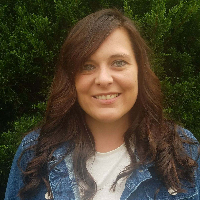





Ava Roush
LPC
West Virginia - 9 yrs exp



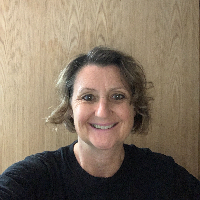
Lisa Rich
LPC
West Virginia - 26 yrs exp








How CBT Approaches Social Anxiety and Phobia
Cognitive behavioral therapy, or CBT, focuses on the relationship between thoughts, feelings and behaviors. For social anxiety and phobia, CBT helps you identify the patterns of thinking that amplify fear in social situations and then works on changing those patterns alongside gradual changes in behavior. Rather than only talking about feelings, CBT uses structured interventions that target the specific beliefs that lead you to expect negative evaluation, embarrassment or rejection in social settings.
On the cognitive side, a therapist will help you notice automatic thoughts that arise in social situations - thoughts that might jump to worst-case outcomes or that assume others are judging you harshly. Through guided questioning and behavioral experiments, you learn to test those assumptions and to develop more balanced, evidence-based interpretations of social cues. Over time, this reduces the intensity of the anxious response and gives you more control over how you respond.
Behavioral mechanisms in practice
Behavioral work is a central component of CBT for social anxiety and phobia. Exposure-based strategies are designed to help you face feared situations in a gradual, manageable way so that avoidance decreases and confidence increases. Your therapist will collaborate with you to create an exposure plan that progresses from less challenging encounters to more difficult ones, while teaching coping skills such as breathing, attention-shifting techniques and problem-solving strategies. These repeated, supported experiences help rewire learned fear patterns and build evidence that the feared outcomes are less likely or less catastrophic than you anticipated.
Finding CBT-Trained Help in West Virginia
Searching for a therapist who emphasizes CBT is an important step if you prefer an evidence-informed, structured approach. In West Virginia you can find clinicians who specialize in CBT in a variety of settings, including outpatient clinics, community mental health centers and private practice offices. If you live near Charleston, Huntington or Morgantown, you may find therapists who offer flexible scheduling to accommodate work, school and family commitments. When you review profiles, look for descriptions that mention cognitive behavioral interventions, exposure therapy or specific training in anxiety disorders.
It is also helpful to consider logistics that affect your ability to engage in therapy consistently. Think about whether you prefer in-person sessions, online meetings or a combination of both. Some therapists in larger West Virginia cities hold evening or weekend hours to make attendance easier. You may also want to ask about the therapist’s experience with social anxiety that presents alongside other concerns, such as mood symptoms or performance anxiety related to work or school.
What to Expect from Online CBT Sessions for Social Anxiety and Phobia
Online CBT sessions can make it easier to access specialized care from within your community, whether you live in a busy city neighborhood or a rural area. When you meet online, therapy often follows the same structure as in-person CBT - assessment, goal-setting, cognitive restructuring and exposure planning - but adapted for a virtual environment. You and your therapist will use the video format to practice conversational skills, role-play anxiety-provoking interactions and set up real-world exposures you can attempt between sessions.
For many people, starting online can feel less intimidating than walking into an office for the first time. Your therapist can guide you through exposures that begin with low-pressure tasks you can do on camera, then move toward in-person or community-based activities when you and your therapist agree it’s appropriate. Practical considerations for online work include choosing a quiet area for sessions, ensuring a reliable internet connection and discussing how you will handle technical interruptions. Many therapists describe online formats as particularly suited to social anxiety because they lower initial barriers to participation while preserving the structured, skills-based nature of CBT.
Evidence Supporting CBT for Social Anxiety and Phobia
Research over the past several decades has shown that CBT is a widely studied approach for social anxiety and phobia. Clinical trials and outcome studies consistently find that targeted cognitive and exposure-based interventions reduce social fear and improve day-to-day functioning. While research often aggregates data from many regions, the core principles translate well to practice across diverse settings, including clinics and practices in West Virginia. Skilled CBT therapists tailor these evidence-based strategies to the cultural and logistical realities of their communities, which can enhance engagement and outcomes.
As you explore options, it is reasonable to ask therapists about the kinds of outcome measures they use, how they track progress and whether they draw on specific CBT manuals or training models. Therapists who participate in ongoing training are more likely to use contemporary techniques such as mindfulness-informed CBT components or technological tools for exposure practice. These additions can complement classical CBT methods while keeping the focus on measurable change in thoughts and behaviors.
Tips for Choosing the Right CBT Therapist in West Virginia
Choosing a therapist is both practical and personal. Start by clarifying what you want from therapy and the schedule that will fit your life. When you read profiles, pay attention to descriptions of treatment approach, years of experience with anxiety disorders and any special emphasis on exposure-based work. Contact potential therapists to ask about their approach to social anxiety, what a typical session looks like and how they involve clients in setting goals and homework assignments.
Location and format matter. If you prefer face-to-face work, focus on professionals in cities like Charleston, Huntington or Morgantown where a wider range of services may be available. If travel is a barrier, look for clinicians who offer comprehensive online CBT or hybrid programs that combine remote sessions with occasional in-person meetings. Consider scheduling a brief intake or consultation to gauge whether the therapist’s style and therapeutic pace feel like a good fit for you. Trust your impression of whether the therapist listens, explains techniques clearly and works collaboratively to adjust strategies based on your feedback.
Another useful consideration is experience with particular life contexts that affect social anxiety, such as work-related performance fears, school presentations, dating or cross-cultural social norms. A therapist who understands your specific environment can help make exposure exercises more relevant and realistic. Finally, ask about practical matters such as appointment flexibility and session length so you can plan consistent attendance, which is a key factor in seeing progress with CBT.
Making the Most of CBT in Your Local Context
Whether you live in a small town or near one of West Virginia’s larger cities, CBT offers a structured path toward reducing social fear and increasing confidence in daily life. You will often move forward by practicing skills between sessions, reviewing what worked and adjusting strategies with your therapist. This collaborative, active approach means that therapy becomes a gradual process of learning new ways to think and behave, informed by real-world experiences in your community.
If you are ready to begin, use the listings above to connect with clinicians in West Virginia and arrange a consultation. Meeting with a CBT-trained therapist to discuss goals and approach is a straightforward way to determine fit and begin building practical skills that address social anxiety and phobia where you live and work.