Find a CBT Therapist for Self Esteem in West Virginia
This page highlights therapists in West Virginia who use cognitive behavioral therapy to address self esteem concerns. Browse the listings below to compare practitioners who focus on CBT-based approaches in cities across the state.
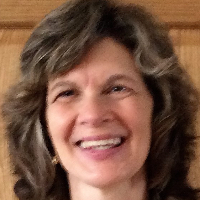


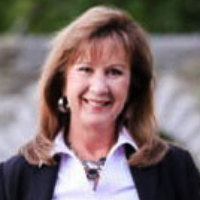




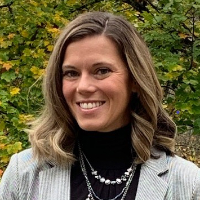
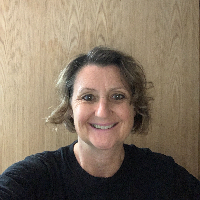


Ava Roush
LPC
West Virginia - 9 yrs exp



Lisa Rich
LPC
West Virginia - 26 yrs exp







How CBT Treats Low Self Esteem
Cognitive behavioral therapy focuses on the link between thoughts, feelings, and actions, and it does so in ways that are practical and skill-oriented. When you struggle with low self esteem, you are often operating with deeply held negative beliefs about your worth, competence, or value in relationships. CBT helps you learn to identify those patterns of thinking, test them against reality, and gradually replace them with more balanced, evidence-based ways of viewing yourself. You work with a therapist to map how specific situations trigger critical self-talk and then practice alternative responses that change both mood and behavior.
The behavioral side of CBT is equally important for self esteem. You do experiments in the real world to challenge assumptions - for example, engaging in social activities you tend to avoid or taking on tasks that feel risky. Those experiences provide new data that can contradict self-defeating narratives. Over time, repeated practice in thinking differently and behaving differently strengthens a more positive self-view. In short, CBT combines targeted cognitive techniques and structured behavioral practice so that changes stick in day-to-day life.
Finding CBT-Trained Help for Self Esteem in West Virginia
Searching for a therapist who specifically uses CBT for self esteem means looking for clinicians with training and experience in cognitive behavioral approaches. In West Virginia you will find practitioners in urban centers and smaller towns. If you are near Charleston, Huntington, Morgantown, or Parkersburg you can often arrange an in-person consultation. Outside those areas, many clinicians offer remote sessions to reach communities across the state. When you review profiles, look for therapists who describe CBT techniques, mention work with self esteem or self-image concerns, and explain how they structure sessions and homework.
Licensing and credentials provide a basic level of assurance about formal training. You can also ask potential therapists whether they have completed CBT-specific training, such as workshops, certification programs, or supervised practice in protocols that address self esteem. It is reasonable to ask about experience with clients who share your background or life circumstances, since cultural fit and therapist style influence how well the approach will suit you.
What to Expect from Online CBT Sessions for Self Esteem
Online CBT has become a practical option for people across West Virginia, especially if travel to an office is difficult. In an online session you can expect much the same structure as an in-person appointment: an initial assessment, collaborative goal setting, targeted cognitive work, and behavioral assignments between sessions. Your therapist may use screen-sharing to walk through worksheets, thought records, or behavioral experiments, and they will guide you in applying those tools between appointments.
To get the most out of online CBT, create a quiet, comfortable place where you can focus. Sessions typically run 45 to 60 minutes, and you should plan time after the appointment to review notes or complete homework. Many therapists use validated measures to track progress, so you will often see concrete evidence of change as you work through the program. If you live in a rural part of the state, online work can be especially helpful in connecting you with clinicians whose expertise matches your needs without the burden of long travel.
Evidence and Effectiveness of CBT for Self Esteem
Research across clinical settings supports the use of cognitive behavioral approaches for problems that underlie low self esteem. Studies and syntheses of the literature commonly report that CBT helps people alter negative self-evaluations, reduce self-critical thinking, and build skills for more adaptive coping. While outcomes vary by individual and by how consistently techniques are practiced, many people notice gradual improvement in confidence and a greater ability to manage setbacks when they engage in structured CBT work.
In West Virginia the same principles apply as elsewhere: quality of the therapeutic relationship, the therapist's skill with CBT techniques, and your active participation are major factors in whether you get the results you want. Evidence-based CBT methods translate well to the kinds of concerns people in diverse communities bring to therapy, and clinicians in Charleston, Huntington, Morgantown, and other locales commonly integrate these methods into treatment plans tailored to local needs.
Choosing the Right CBT Therapist for Self Esteem in West Virginia
Choosing a therapist is a personal decision. Begin by clarifying what you want to change and how you prefer to work. Some people want a highly structured course of treatment with clear homework and measurable goals, while others prefer a gentler pace with CBT techniques woven into broader counseling. When you contact a therapist, ask how they apply CBT to self esteem, what a typical session looks like, and how long they expect treatment to take. You can inquire about their experience with people in situations similar to yours, such as issues stemming from relationships, work challenges, or identity-related stressors.
Practical considerations matter as well. Check whether the therapist accepts your insurance or offers sliding scale fees, what their availability is like, and whether they provide in-person appointments in cities like Charleston or Huntington or remote sessions for more rural areas. You should also feel comfortable discussing scheduling, cancellation policies, and how progress will be measured. A brief initial consultation can help you assess rapport and whether the therapist's style aligns with your goals.
Practical Steps to Start CBT for Self Esteem
When you are ready to begin, reach out to a therapist and arrange an initial assessment. Come prepared to describe the patterns that trouble you, such as recurring negative thoughts, avoidance behaviors, or situations that spike self-criticism. Your therapist will likely set collaborative, measurable goals and introduce core CBT tools like thought records, cognitive restructuring, and behavioral experiments. Expect to practice skills between sessions, since the work of changing beliefs about yourself occurs most effectively in real-world situations.
Living in West Virginia offers both challenges and advantages as you seek help. Proximity to urban centers can make in-person options available, while telehealth expands access across mountainous and rural areas. Wherever you begin, prioritize a therapist who explains CBT in clear, practical terms, listens to your concerns about fit and logistics, and lays out a transparent plan for how you will work together. With consistent effort and a supportive therapist, CBT can help you move toward a more balanced and resilient sense of self.
Connecting with Local Services
If you want to meet in person, search the listings for clinicians practicing near Charleston, Huntington, Morgantown, or Parkersburg. If travel is a barrier, use online appointment options to connect with therapists licensed to practice in West Virginia. Ask about the specific CBT strategies they use for self esteem and whether they offer an initial consultation so you can find the best fit before committing to ongoing sessions.
Final Thought
Addressing low self esteem is a process that benefits from structure, measurable steps, and real-world practice. CBT provides a clear framework for doing that work. By identifying a therapist in West Virginia who specializes in CBT for self esteem and by engaging actively in the process, you can build skills that support a more confident and balanced view of yourself over time.