Find a CBT Therapist for Bipolar in West Virginia
This page connects people in West Virginia seeking CBT for bipolar with therapists trained in cognitive-behavioral techniques. Explore listings below to compare approaches, local availability, and how each clinician applies CBT to mood management.


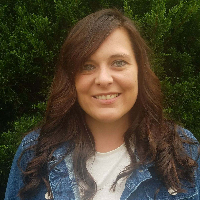








Ava Roush
LPC
West Virginia - 9 yrs exp

Lisa Rich
LPC
West Virginia - 26 yrs exp




How CBT specifically treats bipolar mood challenges
Cognitive Behavioral Therapy, or CBT, approaches bipolar by helping you understand how thoughts, behaviors, and daily routines interact with mood. CBT focuses on identifying unhelpful thinking patterns that can amplify mood swings and on building practical behavioral strategies that reduce mood reactivity. Therapists work with you to notice early shifts in thinking or activity that tend to precede mood changes and to develop concrete steps you can take to stabilize sleep, activity, and stress before symptoms escalate.
At its core, CBT for bipolar blends cognitive techniques such as thought monitoring and cognitive restructuring with behavioral techniques like activity scheduling and behavioral experiments. You learn to test assumptions instead of accepting them automatically, and you practice new behaviors in the real world so changes generalize beyond the therapy room. Over time you build a toolkit that helps you respond differently to triggers - not by eliminating mood variation entirely, but by reducing volatility and increasing your sense of control.
What CBT sessions look like for bipolar
When you begin CBT for bipolar, your therapist will usually start with a thorough assessment of your mood history, current stressors, and daily routines. Sessions often include mood tracking, discussion of recent situations that were difficult, and collaborative problem solving. You will be asked to try techniques between sessions, such as keeping a mood and sleep diary, testing a thought that tends to escalate anxiety or depression, or planning activities that support a steady daily rhythm.
Therapy is structured and goal-focused; you and your therapist set measurable objectives and review progress regularly. Early work often emphasizes stabilizing sleep and daily activity, because consistent routines have a strong influence on mood. Later sessions may concentrate on interpersonal patterns, relapse prevention planning, and strategies to manage depressive or hypomanic thinking when it arises.
Online sessions and what to expect
If you choose online CBT you will find many of the same elements as in-person care - assessment, skill-building, homework, and collaborative review - delivered via video or phone. You should plan a quiet, comfortable spot where interruptions are minimal and bring any mood tracking materials to the session. Many therapists use screen-sharing to review worksheets, mood charts, or activity schedules, and they will coach you through techniques step by step while you practice in the moment.
Online work can make it easier to access specialists in urban centers such as Charleston, Huntington, or Morgantown when local options are limited. It also allows you to continue care during travel or when life circumstances make in-person visits difficult. Ask prospective therapists about their online process, typical session length, and how they handle emergencies or urgent concerns that may come up between sessions.
Finding a CBT-trained therapist in West Virginia
When you look for a CBT therapist who focuses on bipolar in West Virginia, start by checking clinicians who list CBT as a primary approach and who describe experience treating mood conditions. Urban centers like Charleston and Huntington often have clinicians with specialized training and clinic settings that support structured CBT. Morgantown, with its academic resources, can be another place to find therapists who combine clinical training and research-informed methods. In smaller towns and more rural areas, you may find skilled clinicians who offer telehealth sessions to bridge geographic gaps.
Consider asking potential therapists about specific CBT training, such as coursework, clinical supervision, or certifications in cognitive-behavioral methods. Inquire how they adapt CBT for bipolar - for example, whether they include mood monitoring, strategies for managing energy and sleep, or family-focused interventions. A good match is often someone who can explain the rationale for techniques in plain language and who will collaborate with you and any prescribers involved in your care.
Evidence and outcomes relevant to CBT for bipolar
Clinical research supports the use of CBT as one component of comprehensive care for people living with bipolar. Studies have explored how CBT can help people improve symptom management, develop relapse prevention plans, and strengthen daily routines that support mood stability. Practitioners in West Virginia draw on this body of evidence to tailor CBT strategies to local populations, considering factors like rural access, community resources, and cultural context.
It is important to view CBT as part of a broader care plan. Many clinicians recommend coordinating psychotherapy with medication management when appropriate, as well as with social supports and medical care. Your therapist should discuss how CBT fits into your overall goals and how they will measure progress over time so you can see what is working and what may need adjustment.
Practical tips for choosing the right CBT therapist in West Virginia
Start by clarifying what you want from therapy - symptom reduction, relapse prevention, better daily routines, or help navigating relationships - and look for clinicians who describe those goals in their profiles. Reach out with a brief phone call or message to ask about experience with bipolar, typical treatment length, session structure, and whether they offer flexible scheduling or telehealth options. If you live near Charleston or Huntington you may be able to access in-person services more readily, while people in outlying counties may benefit from therapists who offer remote sessions.
When you speak with a clinician, ask how they measure progress and how they involve other care providers when needed. It is reasonable to expect that a CBT therapist will use homework assignments and mood tracking as part of treatment, and that they will discuss strategies for preventing relapse and responding to early warning signs. You may also want to inquire about insurance, fees, and sliding scale options so you can plan for sustained care if it becomes necessary.
Navigating local resources and continuity of care
West Virginia communities often provide a mix of private practices, community clinics, and university-affiliated programs. In Morgantown you may find training clinics where clinicians-in-training provide CBT under experienced supervision. In cities like Parkersburg and Charleston, community mental health centers can offer additional supports if you need coordinated services. Building a care team - which might include a therapist, a primary care clinician, and a medication prescriber - helps ensure that CBT strategies are integrated into your overall plan.
As you consider options, think about logistics that affect treatment success: travel time to appointments, the fit of therapy style with your personality, and the ability to maintain regular sessions. Consistent engagement tends to yield the best outcomes in CBT, so choose a clinician whose schedule and approach you can sustain over time.
Taking the next step
Searching for the right CBT therapist is a process - you may need to contact a few clinicians to find the right match. Use initial consultations to get a feel for how a therapist explains CBT techniques and how they would apply them to your situation. Whether you are in Charleston, Huntington, Morgantown, Parkersburg, or a smaller West Virginia community, there are practitioners who emphasize CBT strategies for bipolar and who can work with you to build a practical plan for managing mood swings, improving daily routines, and reducing the impact of ups and downs on your life.
When you are ready, review the profiles below to compare specialties, treatment approaches, and availability. Scheduling an initial conversation is often the best way to determine whether a therapist’s style and CBT approach fit your needs.