Find a CBT Therapist for Addictions in West Virginia
On this page you will find CBT therapists in West Virginia who focus on treating addictions. Browse local profiles to compare approaches, credentials, and availability, and connect with a therapist near Charleston, Huntington, Morgantown, or your community.



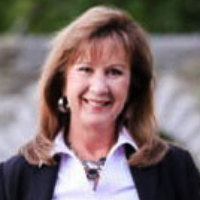
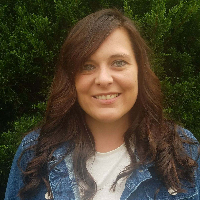
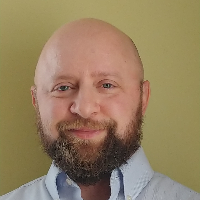


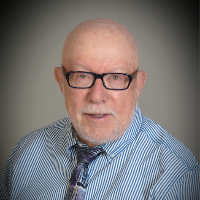


Ava Roush
LPC
West Virginia - 9 yrs exp


Lisa Rich
LPC
West Virginia - 26 yrs exp



How CBT works for addictions
Cognitive behavioral therapy, or CBT, targets the thoughts and behaviors that keep addictive patterns in place. When you work with a CBT therapist you explore the situations, triggers, and beliefs that lead to use or other addictive behaviors. Therapy emphasizes the link between what you think, how you feel, and what you do, and helps you practice alternative responses that weaken old associations and strengthen healthier routines.
CBT uses a combination of cognitive strategies and behavioral exercises. On the cognitive side you learn to notice and challenge thinking patterns that justify or normalize continued use. On the behavioral side you develop concrete skills - such as cue identification, activity scheduling, craving management, and avoidance planning - that reduce the likelihood of relapse. Over time these repeated practices create new habits and coping responses so that cravings have less power and you have more options in high-risk moments.
Mechanisms that help you change
The mechanisms at work in CBT are practical and measurable. You learn to track patterns of craving and use, which makes hidden triggers visible. You practice behavioral experiments that test new ways of responding, so you can see whether alternative actions reduce risk. You also build problem-solving skills that help you address the broader life stresses that often drive addictive behavior, such as relationship strain, work pressures, or unmanaged mood symptoms. Because CBT is skills-focused, you carry tools from session to session and into daily life.
Finding CBT-trained help for addictions in West Virginia
When you begin searching for care in West Virginia, look for therapists who specifically list CBT experience with addictions on their profiles. Licensure titles you will commonly encounter include licensed professional counselors, clinical social workers, marriage and family therapists, and psychologists. Ask about recent, hands-on training in CBT for substance use or behavioral addictions and whether the therapist uses structured techniques like relapse prevention planning and functional analysis.
Geography matters when you want in-person care. If you live near Charleston, Huntington, or Morgantown, you can look for providers who see clients in outpatient clinics, community mental health centers, or private practices. Providers in college towns or larger health centers often have experience working with young adults and can offer group-based CBT options in addition to individual therapy. If you are outside those areas, many therapists offer video sessions that expand access across West Virginia's more rural counties.
Questions to ask when you contact a therapist
When you reach out to a potential therapist, ask how they integrate CBT into addiction treatment, whether they use homework assignments, how they measure progress, and what a typical treatment plan looks like. Ask about experience with co-occurring concerns, such as anxiety or depression, because these often affect recovery. If medication management might be part of care, check whether the therapist collaborates with prescribers so you can receive coordinated support.
What to expect from online CBT sessions for addictions
Online CBT sessions mirror in-person therapy in many ways but offer extra convenience. You will likely schedule regular 45 to 60 minute sessions and receive structured worksheets or digital tools to practice between appointments. Early sessions focus on assessment and building a shared understanding of your triggers and goals. You and your therapist will develop a tailored plan that includes practical steps for reducing use and building alternative behaviors.
Homework is a central part of CBT, so expect assignments such as thought records, behavioral experiments, craving logs, and graded exposure to triggers in controlled ways. Video sessions allow therapists to review your worksheets together and to teach skills in real time. To get the most from online work, choose a quiet, uninterrupted place for sessions and prepare to engage with materials outside of session time. Many people find that the flexibility of telehealth makes it easier to maintain continuity of care when travel, work, or family obligations would otherwise interfere.
Evidence supporting CBT for addictions
CBT is one of the most researched therapeutic approaches for substance use and behavioral addictions. Research demonstrates that CBT helps people reduce use, manage cravings, and improve day-to-day functioning by teaching skills you can apply independently. In West Virginia, providers across outpatient programs, hospital-affiliated clinics, and community agencies use CBT methods as part of comprehensive treatment offerings. Local treatment networks and university-affiliated clinics in cities such as Charleston and Morgantown often include CBT in their services, and ongoing training initiatives help therapists maintain up-to-date skills.
While evidence supports CBT as an effective therapy option, therapy outcomes depend on many factors including the severity of addiction, co-occurring health concerns, social supports, and treatment adherence. You should expect a collaborative approach that tailors CBT techniques to your needs and adjusts goals as you progress. Therapists who track your progress over time can help you see which strategies are working and when adjustments are needed.
Practical tips for choosing the right CBT therapist in West Virginia
Start by clarifying what you want from therapy. Do you prefer short-term, goal-oriented care focused on skills and relapse prevention, or a longer therapeutic relationship that also addresses life problems connected to addiction? Once you know your priorities, filter prospective therapists by location, modality, and experience with addiction-specific CBT. If you live near Huntington or another metro area, you may have more options for evening or in-person appointments; if you live farther from urban centers, telehealth can connect you with specialists across the state.
Pay attention to how a therapist describes their approach. Therapists who are trained in CBT often explain what homework or skills practice will look like and how they structure sessions. Ask about outcome measures, such as how they monitor changes in use and functioning, and whether they involve family members or support systems when appropriate. Consider practical matters too - such as scheduling flexibility, insurance acceptance, sliding scale options, and how quickly you can begin. Trust your impression from an initial conversation - it is okay to try a session or two and then switch if the fit is not right.
Getting started in your community
If you are ready to connect with a therapist, begin by browsing listings on this page and filtering for therapists who emphasize CBT and addictions. Many providers list whether they offer telehealth, their city or region, and the types of addictions they treat. If you are located near Charleston, Huntington, or Morgantown you can look for local clinicians and programs that offer in-person or hybrid care. When you contact a provider, be direct about your goals and ask how they would tailor CBT techniques to your situation.
Recovery is a process and seeking help is an important first step. By choosing a therapist who uses CBT methods you get an action-oriented approach that equips you with practical skills to manage cravings, respond to triggers, and rebuild routines that support your wellbeing. Use the listings above to compare providers, ask informed questions, and schedule a first session so you can begin building tools that support lasting change.