Find a CBT Therapist for Social Anxiety and Phobia in Washington
This page connects you with therapists in Washington who use cognitive behavioral therapy to address social anxiety and phobia. Each listing highlights CBT training, therapeutic focus, and whether a clinician offers in-person or online care. Browse the profiles below to compare clinicians and request a consultation that fits your needs.



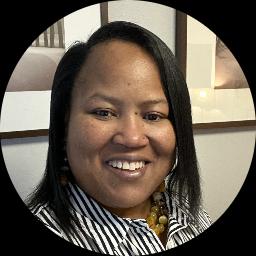



Jennifer Pariera
LICSW
Washington - 11 yrs exp












Richard West
LMHC
Washington - 9 yrs exp




How CBT specifically treats social anxiety and phobia
Cognitive behavioral therapy approaches social anxiety and phobia by addressing the thoughts, behaviors, and avoidance patterns that keep fear active. CBT begins with a clear understanding of how your beliefs about social situations - thoughts about being judged, embarrassed, or failing - contribute to physical symptoms and avoidance. By mapping out common thinking styles such as overestimation of threat, mind reading, and catastrophic predictions, you and your therapist can begin to test those assumptions in real life.
The behavioral side of CBT is equally central. Avoidance and safety behaviors - like avoiding eye contact, rehearsing what you will say, or leaving early - reduce immediate discomfort but prevent learning that feared outcomes are unlikely. Through graded exposure exercises you confront feared situations in manageable steps. Over time, repeated, supported exposure reduces the intensity of fear and helps you build new memories that contradict anxious expectations. The combination of cognitive restructuring and behavioral experiments creates a cycle of learning that weakens the hold of social anxiety.
Cognitive techniques used in treatment
In-session cognitive techniques help you identify automatic thoughts and the rules you apply to social situations. You learn to examine evidence for and against your anxious conclusions and to generate alternative, more balanced interpretations. Therapists teach you to notice attention biases - the tendency to scan for negative signs - and to shift focus toward more neutral or positive cues. Thought records and behavioral experiments are practical tools that let you test predictions and track changes across time.
Behavioral techniques used in treatment
Behavioral work in CBT includes exposure exercises, behavioral experiments, role-playing, and skills rehearsal. Exposures are planned activities that gradually increase in difficulty so you can practice tolerating anxiety and learn that feared outcomes do not occur as expected, or that you can cope if they do. Role-playing and skills rehearsal provide a laboratory for practicing conversations, assertiveness, and nonverbal communication until those skills feel more natural outside the therapy room.
Finding CBT-trained help for social anxiety and phobia in Washington
When searching for a CBT therapist in Washington you can look for clinicians who explicitly list cognitive behavioral therapy on their profiles, describe experience treating social anxiety, and explain the behavioral techniques they use. Licensure and professional credentials indicate clinical training. Many therapists note additional CBT-specific training such as workshops, supervision under CBT specialists, or certification programs. You can also consider clinicians who work in community mental health centers, university training clinics, or private practices in cities like Seattle, Tacoma, Bellevue, Vancouver, and Spokane, depending on whether you prefer in-person sessions or remote options.
Geography can influence availability. If you live near an urban center such as Seattle or Bellevue you may find more clinicians offering daytime and evening appointments. In more rural areas of the state you may find fewer in-person options but increased access to telehealth. When reviewing profiles, look for clear descriptions of therapeutic approach and examples of how a therapist structures CBT for social anxiety so you can gauge whether their style will be a good match for you.
What to expect from online CBT sessions for social anxiety and phobia
Online CBT sessions are structured much like in-person care but use secure video or phone technology to create a comfortable environment for therapy. Your therapist will typically begin with an assessment of your symptoms, your typical avoidance patterns, and the specific social situations that cause distress. Together you and your clinician will set goals and develop a treatment plan that includes cognitive strategies, homework assignments, and exposure tasks that may be completed during or between sessions.
One practical difference with online sessions is the way exposures are handled. Some exposures are well suited to virtual care - for example, practicing conversations, role-playing, or planning in vivo exposure steps that you will complete in your community between sessions. Your therapist may join you virtually to observe an exposure or to coach you through an exercise in real time. Online treatment can increase flexibility, making it easier to access specialized CBT clinicians who may not be available in your immediate town, which is useful if you live outside major centers like Spokane or Tacoma.
Expect a clear agenda each session and homework that reinforces what you practiced with your therapist. Homework is a core component of CBT because it allows you to generalize skills to everyday life. If you have concerns about technology, therapists usually provide guidance for setting up your device and creating a comfortable environment for sessions at home.
Evidence supporting CBT for social anxiety and phobia
Clinical research supports CBT as a widely studied approach for social anxiety and phobia. Trials and meta-analyses over several decades have shown that cognitive and behavioral interventions can produce meaningful reductions in fear and avoidance for many people. In Washington, clinicians trained in CBT draw on this research to shape treatments that are evidence-informed and adapted to individual needs. Academic and clinical training programs in the state contribute to ongoing learning and dissemination of best practices, so you are likely to find therapists who use structured, research-backed techniques.
While outcomes vary across individuals and no treatment guarantees a specific result, CBT’s emphasis on measurable goals, behavioral experiments, and skill development gives you tools that you can continue to use after formal therapy ends. Many therapists use standardized measures to track progress, which makes it easier to see whether you are moving toward your goals and to adjust treatment when needed.
Tips for choosing the right CBT therapist in Washington
Choosing a therapist is both practical and personal. Start by looking for clinicians who name CBT as a primary approach and who describe specific experience with social anxiety and phobia. Read profiles to learn how therapists explain their work - do they emphasize exposure, cognitive restructuring, or social skills practice - and consider whether that emphasis matches what you think will help you. You may prefer a therapist who offers a clear treatment roadmap, or you may value someone who integrates CBT with other evidence-based methods when appropriate.
Consider logistics as well. Determine whether you want in-person sessions near Seattle, Tacoma, Bellevue, Vancouver, or Spokane, or whether you prefer online care that allows you to work with someone farther away. Ask about session length, frequency, fees, insurance acceptance, and cancellation policies during an initial consultation. It is also reasonable to ask prospective therapists about how they monitor progress and what a typical timeline for improvement might look like, knowing that individual experiences vary.
Lastly, pay attention to fit. Feeling comfortable with your therapist’s style can make it easier to engage in challenging exposure work and to complete assignments between sessions. If a therapist’s approach does not feel right after a few sessions, it is acceptable to discuss this feedback or to try another clinician until you find someone who supports your goals and matches your communication preferences.
Finding effective CBT care for social anxiety and phobia in Washington is about matching evidence-based techniques with a therapist whose training, availability, and style fit your needs. Use the listings above to compare clinicians in your area and to request consultations so you can make an informed choice about the next step in treatment.