Find a CBT Therapist for Seasonal Affective Disorder (SAD) in Washington
This page lists therapists in Washington who use cognitive behavioral therapy to address Seasonal Affective Disorder (SAD). You will find clinicians serving both urban and rural areas who emphasize CBT strategies tailored to seasonal mood changes.
Browse the listings below to compare practitioners, read about their approaches, and contact those who seem like a good fit for your needs.





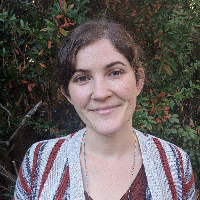




Anna Claybaugh
LCSW, LICSW
Washington - 10 yrs exp






Richard West
LMHC
Washington - 9 yrs exp








How CBT specifically treats Seasonal Affective Disorder
Cognitive behavioral therapy approaches seasonal affective disorder by focusing on the thoughts and behaviors that reinforce seasonal low mood. In practice you and a therapist map the cycle of seasonal changes - how shorter days, altered routines, and shifting social patterns influence your sleep, activity, and thinking. CBT for SAD targets the automatic negative thoughts that can grow during darker months and the behavioral withdrawal that often follows. The goal is to help you notice patterns, test unhelpful beliefs, and build a predictable routine that supports mood regulation through the season.
Therapists typically divide work into cognitive techniques and behavioral strategies. On the cognitive side you learn to identify automatic thoughts that predict the worst, examine the evidence for those beliefs, and develop more balanced alternative perspectives. On the behavioral side you gradually reintroduce activities that provide meaning and energy, schedule social and physical activities to counteract withdrawal, and apply behavioral experiments to test whether feared outcomes actually occur. Over time these changes reduce the impact of seasonal triggers and help you maintain gains when the seasons shift again.
Cognitive techniques used in CBT for SAD
When you work on the thinking patterns linked to seasonal mood changes, your therapist will guide you through steps that make thoughts easier to evaluate. You will keep records of situations that trigger low mood, the thoughts that come up, and the mood that follows. This makes automatic thinking visible and malleable. Therapists then help you challenge rigid rules and all-or-nothing thinking that often accompanies seasonal expectations - for example, beliefs that you cannot function during winter or that low energy means permanent decline. The focus is on practical, testable changes in how you interpret experiences rather than labeling feelings as right or wrong.
Behavioral strategies that complement cognitive work
Behavioral activation is central to CBT for SAD. You and your therapist will design a schedule of activities aligned with your values and energy levels, taking into account daylight hours and typical weather in Washington. Increasing exposure to daylight through planned outdoor time, maintaining regular sleep-wake schedules, and prioritizing social contacts are concrete steps that counteract the tendency to withdraw. Therapists also use behavioral experiments to help you discover which activities reliably improve your mood so you can build a sustainable plan for future seasons.
Finding CBT-trained help for SAD in Washington
Searching for a therapist who specifically uses CBT techniques for seasonal affective disorder means looking for training and experience in both CBT and mood-related issues. When you read profiles, look for mentions of cognitive behavioral therapy, CBT supervision, or specific SAD experience. Many clinicians note experience helping clients manage winter-related mood patterns and will describe their approach to activity scheduling and cognitive work. In larger metro areas like Seattle and Tacoma you will likely find a higher concentration of therapists with specialized CBT training, while in Spokane and Vancouver you may find clinicians who combine CBT with practical knowledge of regional seasonal patterns.
Consider whether you prefer in-person visits or teletherapy. If you live outside major cities, teletherapy can expand your options and connect you with therapists who have particular SAD expertise. Be upfront about availability during the months when symptoms are most likely to appear so you can plan continuity of care through seasonal transitions.
What to expect from online CBT sessions for SAD
Online CBT sessions follow a structured format similar to in-person care but with practical differences that matter when you manage seasonal patterns. Sessions commonly begin with a brief mood check-in, a review of homework or activity logs, focused cognitive work, and planning for the week ahead. Expect your therapist to assign short, measurable tasks between sessions - for example, a week of morning walks, sleep tracking, or thought records - so you can build momentum and gather evidence about what helps.
Online work also makes it easier to coordinate care if you use other supports during the winter months. Your therapist may ask about light exposure habits, sleep timing, and social routines and can help you adapt behavioral plans to local conditions whether you live near the rain-soaked coast of Seattle or in the inland climate around Spokane. Technology allows for sharing worksheets and mood-tracking tools, and many clinicians use structured outcome measures to monitor progress over the season.
Evidence supporting CBT for SAD in Washington
CBT is widely used to address seasonal mood changes because it targets the behavioral and cognitive processes that maintain symptoms. Research literature supports the use of CBT approaches for seasonal affective patterns, showing benefits in mood, activity engagement, and relapse prevention. In Washington clinicians often combine CBT with practical, region-specific planning - adjusting activity schedules for reduced daylight and prioritizing outdoor time when weather permits. While you explore options, it can be helpful to ask therapists about how they measure outcomes and whether they use structured CBT protocols that have been evaluated in research settings.
When you consult with a therapist, you may ask how they adapt well-studied CBT methods to the unique environmental and lifestyle factors present in Washington. Therapists with experience treating SAD will usually describe how they tailor behavioral activation and cognitive interventions to seasonal timing and to the daily routines of people living in Seattle, Tacoma, Bellevue, or smaller communities.
Tips for choosing the right CBT therapist in Washington
Choosing a therapist is often as much about fit as it is about credentials. Start by identifying clinicians who list CBT as a primary approach and who mention experience with seasonal mood concerns. Ask about their training in CBT and whether they use outcome tracking so you can see progress over weeks and months. Inquire how they combine cognitive and behavioral techniques and whether they assign at-home exercises you will be expected to complete between sessions. Consider practical details such as availability during fall and winter months, session frequency, fee structure, and whether they accept your insurance or offer sliding scale fees.
Geography matters in some ways but not others. If you prefer face-to-face sessions, look in cities like Seattle, Tacoma, and Spokane which offer a range of specialists. If you have mobility constraints or live in a rural area, teletherapy widens your choices and may connect you with a therapist who has specific expertise in CBT for SAD. Before you commit, most therapists offer a brief phone or video consultation so you can assess whether their style and approach feel like a match.
Planning for seasonal transitions with your therapist
A therapist who understands seasonal affective patterns will help you build a toolkit for transition periods - the weeks when daylight shortens or returns. You will work on relapse prevention plans, early warning signs, and a practical schedule that you can activate before symptoms fully emerge. This proactive stance makes it easier to maintain the gains you build in therapy and helps you feel prepared rather than reactive when seasons change.
Whether you are in Seattle, Spokane, Tacoma, Bellevue, or Vancouver, a CBT-focused therapist can help you translate evidence-based techniques into a personalized plan that fits your life. With intentional cognitive work, structured behavioral changes, and consistent monitoring, you can develop skills that reduce the seasonal impact on your mood and functioning year after year.