Find a CBT Therapist for Relationship in Virginia
This page presents therapists across Virginia who use cognitive behavioral therapy to address relationship concerns. Listings include clinicians' CBT training, treatment focus, and local or online availability. Browse the profiles below to find a practitioner who fits your needs and preferences.





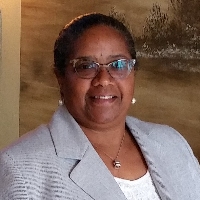
Esther Reynolds
LCMHC, LPC
Virginia - 31 yrs exp

















How CBT Works for Relationship Concerns
Cognitive behavioral therapy, or CBT, helps you examine the thoughts, beliefs, and behaviors that shape your interactions with a partner. In relationship work CBT emphasizes identifying patterns that perpetuate conflict - for example automatic thoughts that escalate arguments, assumptions about a partner's intent, or repeated behavioral responses that increase distance. By learning to notice and test these thoughts you can create new responses that lead to more productive conversations and less reactivity.
CBT blends cognitive techniques - such as thought records and cognitive restructuring - with behavioral strategies including communication rehearsal, behavioral experiments, and activity scheduling. When applied to couples or relationship work, the therapy often focuses on improving communication, increasing positive interactions, and addressing problem-solving skills. You and your therapist will collaboratively set goals, track progress with measurable steps, and practice skills between sessions so changes extend into daily life.
What CBT Targets in Relationship Therapy
CBT typically addresses the thinking and doing that maintain relationship stress. You may work on identifying unhelpful thought patterns like mind reading, catastrophizing, or rigid expectations. Those cognitive shifts are paired with behavioral work such as structured conversations, time-limited experiments to test new behaviors, and exercises to rebuild trust and intimacy. Many therapists also incorporate emotion-regulation techniques to help you manage anxiety, anger, or withdrawal that interfere with connection.
Because CBT is goal-oriented, therapy often includes clearly defined interventions for specific problems - recurring conflict, trust ruptures, differences in parenting or finances, or difficulties with emotional closeness. The focus on skills and practice can make it easier to see small changes quickly while you continue working toward deeper shifts in patterns and meaning.
Finding CBT-Trained Help for Relationship in Virginia
When you begin your search in Virginia, look for clinicians with explicit training in CBT and experience treating relationship concerns. Licensed psychologists, marriage and family therapists, licensed clinical social workers, and professional counselors may all offer CBT-informed relationship work. You can review profiles to see whether a therapist notes training in cognitive behavioral approaches, couples CBT, or related modalities that emphasize skills and structure.
Consider where you prefer to meet. If you want in-person sessions, there are CBT-trained clinicians practicing in urban and suburban areas such as Virginia Beach, Richmond, and Arlington. If you need flexibility, many therapists in the state also offer live video sessions that allow you to attend from home. When you read profiles, check for mentions of experience with issues similar to yours, such as communication breakdowns, infidelity recovery, blended family challenges, or co-parenting transitions, since specific experience often helps you get to work more efficiently.
What to Expect from Online CBT Sessions for Relationship
Online CBT sessions follow the same general structure as in-person therapy. You will begin with an assessment of the relationship challenges and your goals. Sessions typically focus on skill teaching - for example, guided communication exercises or role-plays - and on homework assignments that let you practice between meetings. Technology allows some therapists to use digital worksheets, screen-sharing, and video demonstration to support learning and feedback.
In online couples work you and your partner will likely sit together in a room and join the session, or you may attend separately depending on the issue and therapist preference. Your therapist will guide structured conversations, help you notice the patterns that keep problems in place, and coach you through behavioral experiments designed to test new ways of relating. Expect sessions to be active and directive rather than purely exploratory; you will be invited to try specific techniques and report back on the effects.
Practical matters such as scheduling, session length, and fees vary, so ask about them during an initial consultation. Some therapists offer a brief phone or video call to discuss fit before scheduling a first full session. If you live near major centers like Norfolk or Alexandria, you can often find flexible options for either in-person or online work.
Evidence Supporting CBT for Relationship Issues
Over decades of research, cognitive and behavioral approaches have demonstrated benefits for many relationship problems by teaching concrete skills and reducing negative interaction cycles. Studies consistently show that skill-based therapies can improve communication, reduce conflict, and increase relationship satisfaction when couples practice new behaviors and change unhelpful thinking patterns. These findings guide clinical practice and inform how therapists structure sessions and homework.
In Virginia the same principles apply; therapists who train in CBT adapt evidence-based strategies to local contexts and the particular needs of couples and individuals. Whether you seek help in a smaller community or a larger metro area, CBT's emphasis on observable change and measurable goals can make therapy feel practical and oriented toward progress you can notice in day-to-day life.
Tips for Choosing the Right CBT Therapist in Virginia
Choosing a therapist is both pragmatic and personal. Start by checking credentials and CBT-specific training, then look for experience with relationship concerns similar to yours. Read profiles to learn about therapeutic style, the populations therapists serve, and whether they offer couples work alongside individual therapy. You can also note whether a clinician mentions experience with cultural or identity factors that matter to you, since alignment on values and understanding of your context often supports better outcomes.
During an initial call ask about the therapist's approach to relationship work - whether they focus on communication skills, use structured behavioral experiments, or integrate other techniques such as emotion-focused interventions. Ask how they measure progress and how long they expect to work on particular goals. Clarify logistical issues such as session frequency, fees, and whether they accept your insurance or offer a sliding scale.
Pay attention to how you feel in early interactions. A good CBT therapist will offer clear explanations of techniques, set collaborative goals, and invite you to practice between sessions. If a therapist in Richmond, Arlington, or Virginia Beach seems technically skilled but you do not feel heard, it is reasonable to seek a better fit. Therapy is most effective when you and your clinician can work together productively and when you are willing to try the exercises and reflections assigned as part of the process.
Next Steps
If you are ready to look for CBT relationship support in Virginia, use the profiles above to identify therapists with relevant training and availability in your area. Consider whether you prefer in-person work near cities like Virginia Beach or Richmond, or whether online sessions fit your schedule better. Reach out to a few clinicians to compare styles, ask about main techniques they use, and determine which therapist feels most likely to help you meet your relationship goals. With focused effort and the right CBT-informed guidance, you can learn new ways of interacting that promote connection and decrease repetitive conflict.