Find a CBT Therapist for Post-Traumatic Stress in Virginia
This page features therapists across Virginia who specialize in treating post-traumatic stress using cognitive behavioral therapy (CBT). Browse the listings below to review clinician backgrounds, treatment approaches, and availability to find a match for your needs.
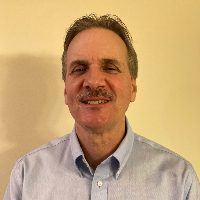

Esther Reynolds
LCMHC, LPC
Virginia - 31 yrs exp




















How CBT Addresses Post-Traumatic Stress
Cognitive behavioral therapy focuses on the link between thoughts, feelings, and behaviors. When you experience trauma, your mind and body can develop patterns that keep fear, avoidance, and distress active long after the event. CBT offers a structured approach to identify unhelpful thinking patterns and the behaviors that reinforce them. Through guided work with a therapist you learn to examine beliefs that may exaggerate danger or blame, experiment with new ways of responding, and practice skills that reduce intensity of reactions over time.
The cognitive component typically involves identifying and modifying interpretations of trauma-related memories and triggers. You learn to notice automatic thoughts and question whether they reflect the current reality or are shaped by painful past experiences. The behavioral side of CBT focuses on gradually changing patterns of avoidance and testing new actions in the world. Exposure-based techniques may be used in a controlled, collaborative way to help you build tolerance and regain activities that trauma led you to avoid. Skills training - such as grounding, breathing, and emotion regulation - is often woven into sessions so you have tools to use between appointments.
Finding CBT-Trained Help for Post-Traumatic Stress in Virginia
When you begin looking for CBT help in Virginia, start by checking clinician profiles to confirm training in trauma-focused CBT approaches. Many therapists list their specialties and training on directory profiles. You can narrow your search by location, availability for in-person or online sessions, and specific experience with post-traumatic stress. In larger population centers like Virginia Beach, Richmond, and Arlington you may find a wider range of clinicians and service models, which can make it easier to match scheduling and treatment preferences. Smaller communities may have fewer options, but many clinicians offer online sessions that expand access across the state.
Licensure and professional credentials are also important to review. Licensed psychologists, clinical social workers, professional counselors, and marriage and family therapists each have different training paths, but many pursue additional trauma-focused CBT training and supervision. Reading therapist bios can give you a sense of their clinical interests, therapeutic style, and whether they emphasize evidence-based CBT techniques for trauma work. When you contact a therapist, you can ask about specific training in trauma-focused modalities, whether they use exposure methods, and how they measure progress.
What to Expect from Online CBT Sessions for Post-Traumatic Stress
Online CBT sessions generally follow a similar structure to in-person therapy but take place over a video link. In your first session you can expect a focus on history, current concerns, and treatment goals. Your therapist will collaborate with you to develop a plan that outlines the techniques they use and the typical pace of work. Early sessions often include education about how trauma affects thinking and behavior, introduction to grounding and stabilization skills, and identification of target memories or situations to address.
Exposure and cognitive restructuring can be adapted to online work. Your therapist may guide you through in-session exposure exercises, coach you while you practice new responses, and assign graded practice between sessions. Online treatment gives you the benefit of working from a familiar environment, and many people find that practicing skills in their daily context improves generalization. Therapists will also talk about technology logistics, confidentiality protocols, and emergency planning so you know how to get support if you become distressed between sessions. If you live in Virginia Beach, Richmond, Arlington, Norfolk, or Alexandria and prefer remote care, online CBT can expand your options while allowing continuity of care if you travel or relocate within the state.
Evidence and Outcomes for CBT in Treating Post-Traumatic Stress
Research literature supports the use of structured CBT techniques for post-traumatic stress, and many clinicians in Virginia adopt these treatments because they are well-studied. CBT approaches aim to modify the cognitive processes and behavioral responses that maintain trauma-related distress, and outcome studies commonly report symptom change, improved functioning, and better coping skills among people who complete a course of therapy. Your therapist can explain the rationale behind chosen techniques and discuss how progress will be tracked through session feedback and outcome measures. Local academic centers and community providers in Virginia often contribute to ongoing training and supervision, so clinicians remain current with best practices and refinements to trauma-focused CBT work.
While evidence supports CBT methods broadly, individual response varies. You and your therapist will work together to tailor the work to your history, cultural background, and goals. Many people find that a focused course of CBT provides practical skills and new perspectives that help them manage distress and pursue meaningful daily activities. It can also be combined with other supports as recommended by your care team, and your therapist can help coordinate referrals and adjunct services when needed.
Tips for Choosing the Right CBT Therapist in Virginia
Choosing a therapist is a personal process and you should feel comfortable asking questions before committing to sessions. Start by considering logistical preferences - whether you want in-person care in a local office or online sessions that fit your schedule. Look at therapist profiles to gauge training in trauma-focused CBT and related techniques. When you reach out for an initial conversation, ask about the therapist's approach to trauma work, how they structure exposure and cognitive interventions, and what kind of homework or between-session practice they typically assign. You may also ask about experience with populations or stressors similar to yours, and whether they collaborate with other providers, such as primary care clinicians.
Pay attention to how a therapist explains the treatment approach. A clear, collaborative description of goals, session structure, and expected time frame can help you set realistic expectations. If you are comparing options in Richmond and Arlington or considering someone who commutes to Virginia Beach for in-person sessions, ask about session frequency, cancellation policies, and fees. Many therapists offer a brief phone consultation at no charge so you can get a sense of fit before scheduling a full intake. Trust your impressions about rapport and whether the therapist listens and responds to your concerns in a way that feels respectful and practical.
Making the First Contact and Starting Treatment
When you are ready to reach out, use directory profiles to find contact details and availability. Prepare a few questions about training, approach to trauma-focused CBT, and logistics so you can make an informed choice. During the first few sessions you and the therapist will set goals and identify priorities for treatment. Some people prefer a focused, time-limited course of CBT with measurable targets, while others need more flexible pacing to address a complex history. Your therapist should outline a plan and update it based on what is most helpful for you.
Therapy is a collaborative process and you have an active role in shaping it. If a particular technique feels overwhelming, tell your therapist so you can adjust the pace or explore alternative strategies. Many clinicians in Virginia Beach, Richmond, Arlington, and beyond are trained to tailor trauma-focused CBT to individual needs and cultural backgrounds. Over time you will likely build a set of skills and ways of thinking that support more predictable responses to reminders and triggers, and you will have professional support as you practice new approaches in life situations that matter to you.
Conclusion
Finding a CBT-trained therapist in Virginia is a practical step if you are seeking structured support for post-traumatic stress. By reviewing clinician profiles, asking about trauma-focused training, and considering whether online or in-person sessions fit your life, you can identify providers who match your goals. Once you begin treatment, expect a collaborative plan that combines cognitive work, behavioral practice, and skills training so you can gradually regain flexibility in how you think and act after trauma. Use the listings above to start contacting therapists and take the next step toward finding an approach that aligns with your needs.