Find a CBT Therapist for Grief in Virginia
On this page you will find CBT therapists across Virginia who focus on grief support and recovery. Browse the listings below to compare clinicians offering evidence-based CBT approaches in local communities and online.




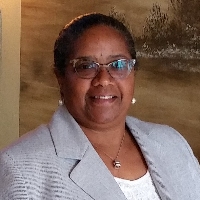
Esther Reynolds
LCMHC, LPC
Virginia - 31 yrs exp


















How CBT approaches grief and mourning
When you think about grief, you may picture intense emotions, shifting routines, and thoughts that keep returning to loss. Cognitive behavioral therapy - CBT - treats grief by helping you notice and gently test patterns of thought and behavior that can prolong distress. In practical terms CBT helps you identify unhelpful beliefs about the loss, restructure distorted thinking that can trap you in guilt or self-blame, and gradually re-engage with meaningful activities. This combined attention to thought patterns and everyday actions gives you tools to manage painful memories and to build a life that honors what you lost while also allowing new experiences.
CBT for grief typically balances cognitive work with behavioral strategies. Cognitive work invites you to examine automatic thoughts and long-standing beliefs that shape how you feel. Behavioral strategies focus on what you do day to day - reintroducing valued activities, testing assumptions through behavioral experiments, and reducing avoidance that keeps grief symptoms intense. Therapists trained in CBT tailor these elements to your situation so you can move at a pace that feels manageable while making steady progress.
Finding CBT-trained help for grief in Virginia
When you are ready to seek help, start by looking for clinicians who describe CBT as a central part of their approach and who have experience with grief-related concerns. You can search by city if you prefer in-person care, or expand to statewide listings for therapists who offer virtual sessions. Major urban areas such as Virginia Beach, Richmond, and Arlington tend to have a wider range of providers and specialized programs, but many skilled clinicians also practice in smaller communities or offer teletherapy to reach you wherever you are in Virginia.
Consider professional credentials as one way to narrow your search. Licensed therapists with designations like LCSW, LPC, LMFT, PhD, or PsyD will have completed graduate training and supervised clinical hours. Within that group you can ask about focused training in CBT - such as coursework, workshops, or certification in cognitive behavioral methods - and about specific experience helping people cope with bereavement, loss, or prolonged grief. If you want to use insurance, check provider directories and verify in-network status before scheduling an appointment.
What to expect from online CBT sessions for grief
Online CBT sessions for grief follow many of the same structures as in-person therapy, but take place over video or, in some cases, by phone. Your first session typically includes an intake conversation to understand your story, current difficulties, and goals. The therapist will explain how CBT for grief works and will collaborate with you to develop a focused plan. Sessions often include a mix of talking through thoughts and feelings, guided exercises, and planning homework - simple activities you try between sessions to practice new skills.
Technology makes it possible for you to work with a therapist outside your immediate city while still maintaining a strong therapeutic connection. If you live in Richmond but prefer a clinician who trained in another part of the state, or you are in a coastal community near Virginia Beach with limited local options, online CBT expands your choices. Before starting, confirm the therapist's approach to privacy and data handling for online sessions, ask about session length and frequency, and make sure you have a quiet, comfortable environment where you can speak without interruption.
How CBT techniques are used in grief work
In session your therapist may introduce thought records to help you track patterns that lead to intensified grief reactions. You will learn to notice automatic negative thoughts, examine the evidence for and against them, and develop more balanced perspectives. This cognitive restructuring does not erase sadness or minimize loss; rather, it helps you respond to grief in ways that reduce rigid, self-critical thinking and open space for adaptive coping.
Behavioral techniques in CBT include activity scheduling to reintegrate routines and pleasurable or meaningful tasks, as well as gradual exposures to memories or reminders you have been avoiding. Avoidance can feel protective in the short term but often reinforces fear and isolation. With the therapist's guidance you can practice engaging with memories and situations in a structured way so they become less overwhelming over time. Problem solving and skills training - such as managing intense emotions or communicating needs to others - are frequently integrated as well.
Evidence and local resources in Virginia
A growing body of research supports the use of CBT for bereavement-related difficulties and for patterns of prolonged distress following loss. Clinical studies generally show that CBT techniques can help people reduce intense symptoms, regain daily functioning, and learn coping strategies that sustain recovery. In Virginia, university clinics, community mental health centers, and private practices often offer CBT-informed grief services. If you are connected to a medical center or counseling program in Richmond or a university-affiliated clinic in the region, those can be places to inquire about therapists who use evidence-based approaches.
Local support networks and community organizations can complement therapy. Grief groups, faith-based resources, and community counseling programs may be available in cities like Arlington and Norfolk and can provide additional companionship and practical supports. While group formats differ from individual CBT, combining peer support with focused CBT work can provide both skill-building and connection as you navigate loss.
Choosing the right CBT therapist for grief in Virginia
When you evaluate potential therapists, think about both clinical fit and logistical fit. Clinically, ask how much of the therapist's practice centers on CBT and how they adapt CBT techniques for grief. Ask about their experience working with people who have experienced similar types of loss and how they structure sessions when grief is combined with anxiety or depression. You might find it helpful to inquire whether they use specific CBT tools such as thought records, imaginal exposure, or behavioral activation, and how they measure progress over time.
Logistics matter as well. Consider whether you prefer in-person sessions in a nearby office or the convenience of online meetings. If you live near Virginia Beach or Alexandria, proximity may make office visits more appealing; if you travel frequently or live outside urban centers, online therapy may fit your life better. Confirm practical details like fees, insurance acceptance, cancellation policies, and expected session length so there are no surprises. Finally, trust your sense of rapport - a therapist who listens and explains their methods clearly tends to support better collaboration and outcomes.
Practical steps to start therapy in Virginia
Begin by narrowing your search to clinicians who list CBT and grief among their specialties. Read provider bios to learn about training and approach, then reach out to schedule a brief consultation or intake. Many therapists will offer an initial call so you can ask about their experience and describe what you are looking for. Prepare a few questions in advance about how they integrate CBT for grief, what homework might look like, and how they tailor treatment to cultural background and personal values.
As you begin therapy, set realistic goals with your clinician and expect gradual progress rather than quick fixes. Grief reshapes over time, and CBT aims to give you tools to manage strong emotions and rebuild a meaningful life. Whether you are in Richmond, Arlington, or a smaller Virginia town, finding a skilled CBT therapist can provide structured support while you adapt to loss on your own terms.
Final thoughts
Choosing CBT for grief offers a practical framework to work with difficult thoughts and behaviors while honoring the reality of loss. Use the listings above to explore therapists across Virginia, check credentials and fit, and reach out for a consultation. With a good therapeutic match and a clear plan, you can begin learning skills that help you navigate grief while preserving memories and building a path forward.