Find a CBT Therapist for Domestic Violence in Virginia
This page features therapists in Virginia who use cognitive behavioral therapy (CBT) to address domestic violence issues. Listings include clinicians practicing across cities such as Virginia Beach, Richmond, and Arlington; browse the therapist profiles below to learn more.




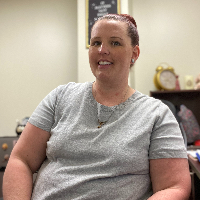
Tara Lineberry
LICSW, LCSW
Virginia - 10 yrs exp



















How CBT Addresses Domestic Violence
Cognitive behavioral therapy focuses on the links between thoughts, feelings, and behaviors. When applied to domestic violence, CBT helps people examine the beliefs and patterns that contribute to harmful behaviors or that make it difficult to leave or recover from an abusive relationship. You will work with a clinician to identify specific triggers, unhelpful thought patterns, and habitual responses, and then learn targeted skills to shift those patterns toward safer and healthier choices.
For people who have used violence, CBT emphasizes accountability and behavioral change alongside understanding the cognitive processes that justify aggressive acts. For survivors, CBT offers tools to manage trauma-related symptoms, reduce avoidance, and rebuild a sense of agency. In both cases the therapy is structured and goal-oriented - you and the therapist set measurable objectives and practice new skills both in session and in everyday life.
Cognitive mechanisms
At the cognitive level, therapy helps you notice the automatic thoughts and beliefs that influence behavior. You may explore beliefs about entitlement, control, shame, or worthiness that can perpetuate harmful relationship patterns. A CBT approach teaches you to test these beliefs, consider alternative interpretations, and reframe thinking in ways that support safer actions. Over time, shifting cognitive patterns reduces the emotional intensity that can lead to impulsive or violent responses.
Behavioral mechanisms
Behavioral work focuses on concrete skill building. You will practice strategies such as emotion regulation, assertive communication, problem-solving, and relapse prevention. Role-play in session and real-world homework assignments help translate learning into daily interactions. For survivors, behavioral strategies often include grounding skills, paced exposure to reduce avoidance, and routines that restore stability. For those working to stop using violence, therapists emphasize behavior monitoring, anger management techniques, and creating protective structures that prevent escalation.
Finding CBT-trained Help for Domestic Violence in Virginia
When looking for a CBT therapist in Virginia, you will want to consider both training in evidence-based CBT methods and specific experience with domestic violence issues. Many clinicians list additional training in trauma-informed care, anger management, or batterer intervention frameworks, and those credentials can signal relevant expertise. Licensure in Virginia ensures a baseline of professional standards, and additional certifications or supervised experience in CBT can be helpful indicators of focused skill.
Geographic location matters for practical reasons. If you prefer in-person care, cities such as Virginia Beach, Richmond, Arlington, Norfolk, and Alexandria have clinicians who work with domestic violence in a CBT framework. If you live outside major urban centers, you may find clinicians offering telehealth who are licensed to practice in Virginia, which broadens access to specialized providers without requiring long travel.
What to Expect from Online CBT Sessions for Domestic Violence
Online CBT sessions generally follow the same structure as in-person therapy, with an initial assessment, goal-setting, and a mix of cognitive and behavioral interventions. You can expect a practical orientation - sessions will often focus on skills practice, identifying thought patterns, and planning real-world exercises between appointments. Many therapists use worksheets, digital tools, and guided exercises to support learning, and they adapt materials to the online format.
Privacy considerations are important when you choose telehealth. You should arrange a time and a space where you can speak without being overheard and where you feel comfortable practicing exercises. Therapists will discuss safety planning and may coordinate with local resources when concerns arise. If you are in immediate danger, contacting local emergency services is essential; a therapist can help you develop a safety plan and identify local supports when you are not in crisis.
Evidence Supporting CBT Approaches for Domestic Violence
CBT and CBT-informed interventions have a body of research supporting their effectiveness for addressing behaviors related to domestic violence, for reducing violence risk factors, and for treating trauma-related symptoms. Studies have shown that structured, skills-based work that targets anger regulation, cognitive distortions, and interpersonal problem-solving can produce measurable improvements in behavior and emotional management. In addition, trauma-focused CBT approaches have been adapted to help survivors process traumatic experiences and reduce symptoms such as intrusive memories and avoidance.
In Virginia, clinicians often adapt evidence-based CBT to the local context, incorporating cultural competence and awareness of community resources. Whether you are in Richmond, a suburban neighborhood outside Arlington, or on the coast near Virginia Beach, therapists frequently combine CBT techniques with coordination of legal, housing, or social services when needed. This practical integration helps therapy feel relevant to the realities you face.
Tips for Choosing the Right CBT Therapist in Virginia
Choosing the right therapist is a personal process. Start by looking for clinicians who explicitly state CBT training and who list experience with domestic violence or trauma. Review profiles for information on their therapeutic focus, approach to safety planning, and whether they work with perpetrators, survivors, or both. Consider logistics such as insurance acceptance, fees, availability, and whether they offer telehealth if that is important for you.
Initial contact gives you a chance to ask how the therapist structures sessions, what kinds of homework or skill practice they emphasize, and how they handle safety concerns. You may want to inquire about their experience working with clients from similar backgrounds or living situations, especially if cultural competence matters to you. Good rapport is essential - you should feel heard, respected, and understood when you speak with a prospective clinician.
Practical fit can influence outcomes as much as clinical skill. Think about commute time, appointment times, and whether you prefer a clinician who offers short-term, goal-focused work or a longer-term therapeutic relationship. If you are working with other professionals such as advocates, attorneys, or case managers, look for a therapist who is comfortable collaborating while maintaining professional boundaries.
Next Steps and Local Considerations
Beginning therapy for domestic violence with a CBT orientation can be an important step whether you are healing from past harm or changing behavior you regret. Use the listings above to compare therapists by approach, experience, and practical details. If you live in a city like Norfolk or Alexandria, you can often find both in-person and telehealth options to match your needs. Reach out to a few clinicians to ask questions about how they apply CBT to domestic violence concerns and to gauge whether their style fits your expectations.
Therapy is one part of a broader plan for safety and recovery. Clinicians in Virginia typically work in collaboration with community resources and can help you identify local supports when appropriate. When you feel ready, contacting a therapist is a concrete step toward gaining new skills, reducing risk, and building a more stable future. Browse the profiles above to begin that process and to find a CBT therapist who aligns with your goals and circumstances.