Find a CBT Therapist for Coping with Life Changes in Virginia
This page lists CBT therapists in Virginia who specialize in coping with life changes, from career shifts to relationship transitions. Browse the listings below to compare training, therapeutic approach and availability, and contact clinicians through their profiles.





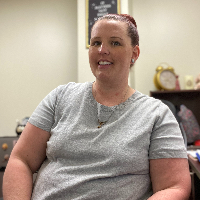
Esther Reynolds
LCMHC, LPC
Virginia - 31 yrs exp


















How CBT Helps You Navigate Life Changes
Cognitive behavioral therapy, often called CBT, focuses on the connections between thoughts, feelings and actions. When you face a major life change - a move, a new job, the end of a relationship, or an unexpected loss - your mind can fall into unhelpful thinking patterns that increase stress and make practical adjustment harder. CBT helps you identify those patterns and learn alternative ways of thinking that reduce emotional intensity and make it easier to take effective action.
In practice you and a therapist work together to notice automatic thoughts that arise in response to new circumstances, test those thoughts against real evidence, and replace them with more balanced perspectives. At the same time you build behavioral strategies that support adjustment - scheduling manageable tasks, practicing new social or communication skills, and experimenting with different routines to see what improves your day-to-day functioning. This combination of changing thinking and changing behavior is what makes CBT particularly suited to coping with life transitions.
Finding CBT-Trained Help for Life Changes in Virginia
When you look for help in Virginia, you will want a clinician who has specific CBT training and practical experience with adjustment issues. Licensed psychologists, clinical social workers and counselors often list CBT as a primary modality. You can refine searches by looking for clinicians who mention training in cognitive behavioral approaches, certifications in evidence-based therapies, or experience working with the particular type of change you face - such as career transition, bereavement, or relocation stress.
Geography matters for practical reasons. If you prefer in-person sessions, you will find a range of CBT clinicians in urban and suburban settings. Coastal communities and military-connected areas around Virginia Beach may have therapists who understand the demands of frequent moves and service-related transitions. Richmond offers options across a range of specialties and populations, while Arlington tends to have clinicians experienced in working with busy professionals and dual-career couples. If you need flexibility, many therapists across the state offer remote sessions that broaden your choices beyond your immediate city.
What to Expect from Online CBT Sessions for Life Changes
Online CBT sessions generally follow the same structure as in-person work, with a focus on clear goals and skill building. Your therapist will start by exploring the specific change you are facing and how it has affected your daily life. Together you will set short-term, measurable goals that can include improving sleep, reducing avoidance of challenging tasks, or increasing social contact. Sessions often include a mix of talking, guided cognitive exercises, and planning of between-session practice.
Because CBT emphasizes homework and real-world practice, you should expect assignments that you can do between sessions. These might include thought records to help you track and reframe distressing beliefs, behavior experiments to test assumptions, or small steps to rebuild routines. For online sessions, plan to join from a quiet, comfortable environment where you can speak freely and focus on the work. Many clinicians will discuss how they handle technology, session length and boundaries at the first appointment so you know what to expect.
Evidence and Outcomes: Why CBT Is a Common Choice
CBT is widely used for a range of adjustment and stress-related concerns because research has shown it helps people develop skills that generalize to different situations. Studies and reviews indicate that CBT can reduce symptoms of anxiety and depression that often accompany major life changes, and that structured, skills-based work can speed up the process of adaptation. In Virginia, as elsewhere, clinicians trained in CBT apply these evidence-based techniques to help you regain a sense of control and to build practical coping strategies.
That said, every person's experience is different. CBT is not a one-size-fits-all cure, but it is a flexible framework that therapists adapt for your needs. Some therapists integrate CBT with acceptance-based strategies or with problem-solving methods to address complex transitions. When considering outcomes, look for a clinician who explains how progress will be measured and who offers a clear plan for the first several sessions so you can track whether the approach is working for you.
Tips for Choosing the Right CBT Therapist in Virginia
Choosing a therapist is a personal decision. Start by clarifying what matters most to you - clinical experience with the kind of life change you are facing, a therapist who shares your cultural or linguistic background, evening availability, or a clinician who works with couples or families if that is relevant. When you review profiles, look for specific references to CBT training and to experience with transitions and adjustment. Many therapists describe the populations they work with and the kinds of change they have supported.
Ask about practical details in an initial conversation. Find out how the therapist typically structures CBT for life changes, how many sessions are commonly recommended, and whether they offer remote appointments if you need them. You might ask how they measure progress and how they adapt homework to fit your daily life. Be mindful of logistics such as insurance acceptance, sliding scale options, and session hours, since these factors can affect whether a therapeutic relationship is sustainable.
Trust and rapport are important. Even a highly trained CBT clinician will be less effective if you do not feel comfortable working with them. If possible, arrange a brief phone or video consultation to get a sense of the therapist's communication style and whether their approach feels like a good fit. Many people find that an initial session helps them judge whether the therapist's way of explaining cognitive and behavioral techniques resonates with them.
Next Steps and Practical Considerations
Moving from searching to scheduling can feel like a big step, but small actions are often the most helpful. Narrow your options by picking two or three profiles that match your priorities and reach out to ask about availability and approach. If you live near Virginia Beach, Richmond or Arlington, you will have a mix of in-person and remote options; if your schedule is tight, prioritize therapists who offer evening or weekend appointments. When you begin sessions, set clear, attainable goals and check in with your therapist about progress after several weeks so you can adjust the plan if needed.
Life changes can be disorienting, but with focused skill building and practical strategies you can regain momentum. A CBT-trained therapist in Virginia can help you identify unhelpful thought patterns, practice new behaviors and build routines that support your next chapter. Taking the first step to compare profiles and book an initial meeting puts you on a path toward more manageable, deliberate adjustment.