Find a CBT Therapist for Chronic Pain in Virginia
Explore therapists in Virginia who use cognitive behavioral therapy to address chronic pain and related challenges. Browse the listings below to review specialties, training, and service areas including Virginia Beach, Richmond, and Arlington.


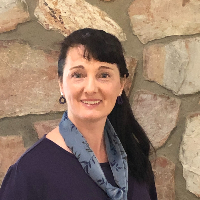
Dr. Charity Rolfes
LCP
Virginia - 25 yrs exp




















How CBT approaches chronic pain
Cognitive behavioral therapy for chronic pain focuses on the relationship between your thoughts, feelings, and actions and how those patterns influence your experience of pain. Rather than promising to remove pain altogether, CBT aims to change the way pain affects your daily life - reducing pain-related distress, improving function, and helping you pursue meaningful activities. In a CBT framework you and your therapist work to identify unhelpful thinking patterns such as catastrophizing or all-or-nothing beliefs, and to replace them with strategies that support coping and gradual increases in activity.
How thoughts shape pain
Your brain interprets physical signals in the context of prior experience, emotion, and attention. When you repeatedly anticipate the worst outcome from movement or expect activity to make pain unbearable, your attention narrows and your muscles may stiffen, which can heighten the experience of pain. CBT helps you notice these automatic thoughts and test their accuracy. By examining evidence for and against a worrying thought, you can shift toward more balanced appraisals that reduce fear and make it easier to reengage in daily tasks.
How behavior change supports recovery
Behavioral strategies in CBT target the habits that sustain pain cycles - such as avoidance of activity, poor sleep routines, and inconsistent pacing. You will often use structured activity plans that focus on graded exposure - slowly increasing physical tasks to rebuild confidence and tolerance. Relaxation techniques, breath-based exercises, and behavioral activation to restore enjoyable activities are commonly used to lower overall arousal and improve mood. Over time these changes can reduce the intensity of pain-related interference in your life.
Finding CBT-trained help for chronic pain in Virginia
When you begin a search in Virginia, look for therapists who list specific training in CBT for pain or who describe experience working with chronic health conditions. Many clinicians in cities like Virginia Beach, Richmond, Arlington, Norfolk, and Alexandria have completed specialized workshops or certifications that focus on pain-related applications of CBT. Profiles that mention exposure therapy for movement fears, activity pacing, sleep interventions, or coordination with medical teams are particularly relevant. You can also check whether a therapist measures outcomes with standardized tools - this indicates an outcome-oriented approach that tracks progress over time.
Practical considerations
Decide whether you prefer in-person sessions or online visits. In larger Virginia communities you may find clinicians who offer both formats. Ask about session length and frequency, typical length of treatment, whether the therapist works collaboratively with physicians or physical therapists, and how they tailor CBT strategies to your specific type of pain. Insurance participation, sliding scale fees, and availability outside standard business hours are other practical factors to consider when narrowing your options.
What to expect from online CBT sessions for chronic pain
Online CBT makes it possible to work with specialists across the state without traveling. An initial telehealth session usually starts with a comprehensive assessment of your pain history, patterns of activity and rest, mood symptoms, sleep, and any prior treatments. From that foundation you and your therapist set goals and begin a structured plan that may include thought records, graded activity plans, relaxation practice, and problem-solving exercises. Homework between sessions is common; it helps you apply new skills in real-life situations and provides data for adjusting the plan.
Video sessions allow your therapist to observe movement patterns and coach you through pacing strategies. They can also review logs or digital tools that track your activity and pain levels. If you live near Richmond, Arlington, or Virginia Beach you may have the option to combine online visits with occasional in-person sessions for assessments that benefit from hands-on observation. Many therapists are careful to coordinate with your medical providers when needed to ensure a consistent approach to care.
Evidence supporting CBT for chronic pain
Over decades of research, CBT-based approaches have demonstrated benefits for people experiencing ongoing pain. Studies show improvements in coping, reductions in pain-related distress, and better function in daily life. The focus on changing thoughts and behaviors targets mechanisms that maintain pain-related disability rather than the pain signal itself. In clinical practice across Virginia, therapists adapt evidence-based protocols to fit individual needs, often combining behavioral activation, pacing, and cognitive restructuring to address both physical and emotional dimensions of chronic pain.
While outcomes vary from person to person, many people report improved ability to manage flare-ups, increased participation in valued activities, and reduced interference of pain with work and relationships. Therapists in universities, hospitals, and private practice in Virginia frequently use measures to track progress so that the treatment plan can be adjusted based on your response.
Tips for choosing the right CBT therapist for chronic pain in Virginia
Begin by reading clinician profiles to learn about training and areas of specialization. Look for clear descriptions of how CBT is used for chronic pain and examples of techniques like graded activity, cognitive restructuring, and sleep interventions. When you contact a therapist for an initial conversation, ask about their experience treating pain similar to yours, the typical length of therapy, and how they define meaningful progress. Ask how they involve other providers when needed, such as primary care doctors, pain clinics, or physical therapists. Consider whether their communication style and cultural background feel like a good fit - a strong therapeutic relationship matters for sustained change.
Think about logistics that will affect your ability to engage consistently. If you live in an area with heavy traffic, such as commuting between Arlington and Alexandria, online options may better fit your schedule. If you live closer to Richmond or Virginia Beach, you might prefer an in-person therapist who can coordinate directly with local medical teams. Clarify billing and insurance policies beforehand so that there are no surprises about cost or session frequency.
Preparing for your first sessions
Before your first CBT appointment, consider keeping a brief diary of pain intensity, activities, and mood for a week. This will give your therapist useful baseline information and can speed up goal setting. Think about specific situations you want to change - perhaps returning to a hobby, improving sleep, or reducing the number of work interruptions caused by pain. Be ready to discuss previous strategies that helped or did not help so your therapist can tailor interventions to your needs.
Taking the next step
Finding a therapist who uses CBT to address chronic pain can be an important part of a broader plan to improve daily function and quality of life. Use the listings above to review clinician bios, training, and service areas, and reach out to ask questions about approach and availability. Whether you are in a coastal community near Virginia Beach, the state capital region in Richmond, or in the northern suburbs of Arlington, you can connect with clinicians who apply CBT principles to help manage pain-related challenges. Reach out for an initial consultation and discuss a plan that fits your goals and lifestyle.
When you begin treatment with a CBT-trained clinician, you can expect a collaborative process that focuses on practical skills, measurable goals, and gradual changes that support a fuller life despite chronic pain.