Find a CBT Therapist for Body Image in Virginia
This page lists CBT therapists in Virginia who specialize in body image concerns. Browse the profiles below to compare approaches, locations, and availability and find a clinician who uses CBT to help with body image issues.


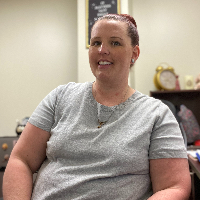
Tara Lineberry
LICSW, LCSW
Virginia - 10 yrs exp



















How CBT Addresses Body Image
Cognitive Behavioral Therapy, or CBT, approaches body image by targeting the thoughts, feelings, and behaviors that maintain negative self-perception. If you struggle with persistent negative beliefs about your appearance, CBT helps you examine those automatic thoughts and test whether they match reality. You learn to notice patterns of thinking that magnify flaws, minimize strengths, or generalize one aspect of your appearance into a global judgment about self-worth. Once those cognitive patterns are identified, you and your therapist work together to develop more balanced ways of interpreting situations related to appearance.
On the behavioral side, CBT focuses on reducing habits that keep negative body image active. That may include body checking, avoidance of social situations, compulsive comparison on social media, or rituals intended to "fix" appearance. Behavioral experiments give you opportunities to test new behaviors in real-life situations, gather evidence, and revise beliefs based on actual outcomes instead of assumptions. Over time, the combination of cognitive restructuring and behavioral change can lessen the intensity of negative body image and increase your ability to engage in valued activities without being dominated by appearance concerns.
What CBT Sessions for Body Image Look Like
When you begin CBT for body image, expect a structured, goal-focused process. Early sessions typically involve assessment of your concerns, a review of recent situations that trigger distress, and collaborative goal-setting. Your therapist will help you map out the links between thoughts, feelings, and behaviors to identify targets for change. Sessions often include skill-building exercises such as thought records, graded exposure exercises, and activity scheduling. Homework is a central part of CBT - you will be asked to try new strategies between sessions, track progress, and bring observations back for discussion.
Therapists usually tailor pacing to your needs. Some people benefit from brief, time-limited CBT focusing on specific behaviors and thoughts, while others work on deeper patterns and related issues such as low self-esteem or anxiety. You can expect periodic measurement of symptoms or distress so both you and your therapist can see whether the approach is helping. The collaborative nature of CBT means you will have an active role in shaping the work and testing which strategies are most useful for you.
Finding CBT-Trained Help for Body Image in Virginia
When searching for a CBT therapist in Virginia, look for clinicians who describe both CBT training and experience specifically with body image or related concerns. Licensure credentials such as LCSW, LPC, LMFT, PsyD, or PhD indicate formal professional training. Beyond licensure, inquire about specialized CBT training, certification, or supervised experience treating body image, eating-related behaviors, or body-focused anxiety. Many clinicians in larger urban areas like Virginia Beach, Richmond, and Arlington list their specializations and therapeutic approach on their profiles, which can help you narrow your search.
Consider practical details as you search. Think about whether you prefer in-person sessions near your community or online visits that expand your options across the state. For many people, working with a therapist who has experience with cultural factors related to body image - including gender, age, ethnicity, and body diversity - is important. You may want a clinician who uses measurement-based care, meaning they regularly track progress with brief questionnaires so sessions remain focused and responsive to your needs.
What to Expect from Online CBT Sessions for Body Image
Online CBT sessions for body image are increasingly common and can be just as effective as in-person therapy when done well. If you opt for telehealth, expect standard CBT elements such as agenda setting, cognitive exercises, and behavioral assignments to be adapted for video or phone sessions. Your therapist will help create a session routine that feels practical and supportive. Many therapists use screen-sharing to review worksheets, mood charts, or cognitive records together, and they may send materials by email to use between meetings.
Online therapy can increase access if you live outside major population centers or prefer scheduling flexibility. You should still expect regular session times, clear plans for homework, and collaborative review of progress. For certain behavioral experiments or exposures, your therapist will help you plan activities you can safely practice in your daily environment. If body-focused tasks feel challenging on video, the clinician can offer stepwise options to build tolerance and skill.
Evidence Supporting CBT for Body Image
CBT is one of the most researched psychotherapeutic approaches for body image concerns. Clinical trials and reviews have shown that cognitive and behavioral techniques can reduce body dissatisfaction, decrease checking and avoidance behaviors, and lessen the distress often associated with appearance-focused thoughts. While individual results vary, many people who complete CBT report clearer thinking about their bodies and greater ability to engage in activities without intense appearance-related anxiety.
Practitioners in Virginia draw on this evidence base when applying CBT to local practice. Many clinicians adapt evidence-based protocols to fit diverse populations and life contexts found across the state. Whether you live near the coast or in a metropolitan area like Richmond or Arlington, therapists trained in CBT bring a consistent set of skills focused on measurable change and practical problem-solving.
Choosing the Right CBT Therapist in Virginia
Selecting a therapist is both practical and personal. Start by reviewing profiles to confirm the therapist lists CBT and body image among their specialties. Read about their training and years of experience, and look for clinicians who describe concrete techniques such as cognitive restructuring, behavioral experiments, mirror exposure, or self-monitoring. When you contact prospective therapists, ask how they conceptualize body image work, what a typical course of sessions might involve, and how progress is measured.
Compatibility matters. In your first meeting, notice whether the therapist listens to your concerns and offers a clear plan for next steps. It is reasonable to ask about experience with clients who share your background or lived experience, and whether they work with related issues such as anxiety, depression, or disordered eating. Practical concerns like scheduling, fees, and whether they offer in-person appointments in areas like Virginia Beach or telehealth for more remote locations should also guide your choice. If one approach does not feel like a good fit, it is acceptable to explore other listings until you find a therapist whose style and experience align with your goals.
Next Steps
Begin by reviewing the therapist profiles listed on this page to find clinicians who emphasize CBT for body image. Reach out with questions about training, session structure, and what to expect in the early weeks of therapy. Being curious and asking about specific techniques will help you find a CBT clinician in Virginia who can partner with you to reduce body-related distress and support a more balanced relationship with your appearance.