Find a CBT Therapist in Virginia
Welcome to our directory of CBT therapists serving Virginia. All therapists listed here are licensed and trained in cognitive behavioral therapy to support evidence-informed care. Browse the profiles below to find clinicians who offer online appointments and match your needs.






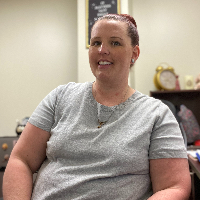
Esther Reynolds
LCMHC, LPC
Virginia - 31 yrs exp

















CBT therapy availability across Virginia
Cognitive Behavioral Therapy (CBT) is widely available to people living in Virginia through clinicians who offer online appointments. Whether you live in a dense urban area or a more rural part of the state, online delivery can expand your options and let you connect with CBT-trained therapists whose expertise aligns with your needs. Many licensed professionals in Virginia have completed specialized CBT training in addition to their graduate degrees and licensure, which means you can often find clinicians who use evidence-informed techniques for a range of concerns. Online scheduling and remote sessions make it easier to find a time and therapist that fits with your life, reducing travel and logistical barriers that sometimes limit access to therapy.
Benefits of online CBT for Virginia residents
Online CBT has practical advantages that often make treatment more accessible and consistent. You can attend sessions from home, a workplace break room, or another quiet location that works for you, removing commute time and travel-related stress. The structured nature of CBT translates well to video sessions, where therapists can use screen sharing to review worksheets, practice skills in real time, and assign homework between visits. For people with busy schedules, caregiving responsibilities, or mobility limitations, remote sessions can increase the likelihood of keeping appointments and making steady progress. You may also find that online therapy allows you to work with a therapist who specializes in your particular issue even if that clinician is located in a different city.
Common conditions CBT therapists in Virginia treat
CBT-trained therapists in Virginia commonly work with a broad range of emotional and behavioral concerns. Anxiety and worry, including generalized anxiety, panic, social anxiety, and specific phobias, are frequently treated with CBT techniques such as cognitive restructuring and exposure exercises. Depression and low mood are often addressed with behavioral activation and activity scheduling to help restore routines and motivation. Obsessive compulsive disorder is treated using strategies that include exposure with response prevention. Trauma-related difficulties, sleep problems, chronic stress, and issues related to health behaviors can also be managed with CBT-informed approaches. In addition, many therapists adapt CBT for adolescents, couples, and families, using developmentally appropriate methods to teach skills and change patterns that maintain distress.
How the structured nature of CBT works well online
CBT is a goal-focused and time-limited approach that emphasizes skill building and measurable progress. That structure makes it especially compatible with online therapy. Sessions usually follow an agenda that might begin with a brief check-in, review of homework, targeted skill practice, and agreement on tasks for the coming week. Online sessions allow you and your therapist to easily share worksheets, thought records, and other tools in real time, which supports active learning. Behavioral experiments and exposure tasks can be planned during a video session and practiced either during the session or as homework in your own environment. Many therapists use standardized measures to monitor symptoms over time, which helps you and the clinician track progress and adjust the plan as needed. Because CBT emphasizes skills you can apply outside sessions, the convenience of online work can make it easier to integrate therapy into everyday life.
Verifying CBT training and a Virginia license
When you find a therapist who interests you, it is reasonable to confirm both their licensure and their CBT training. Start by checking the clinician's professional profile for their license type, such as licensed professional counselor, licensed clinical social worker, or psychologist, and note the state that issued the license. You can verify a license through the appropriate Virginia state licensing board website, which typically lets you search by name or license number to confirm active status and any public disciplinary history. For CBT training, look for specifics in the therapist's bio about training programs, certificates, supervised experience in CBT, or continuing education focused on cognitive behavioral interventions. You can ask the therapist directly about who provided their CBT training, the length and depth of that training, and how they continue to update their skills. A trustworthy clinician will be willing to explain their approach and provide information about their education and professional development.
Practical questions to ask and what to look for
Choosing the right CBT therapist involves both practical considerations and a sense of personal fit. Ask about the therapist's experience treating your specific concern, typical session length and frequency, and whether they use measurable goals and progress tracking. Discuss fees, insurance participation, and whether they offer sliding scale rates if cost is a concern. Inquire how they adapt CBT techniques for online work and what tools they typically use for homework and skills practice. It is also useful to ask about crisis procedures and how to reach the therapist between sessions if needed. Pay attention to how clearly the clinician explains their methods and how comfortable you feel with their communication style. Trusting that you can work collaboratively with a therapist is an important part of effective treatment.
How to prepare for your first online CBT session
Before your first session, consider where you will sit during video calls so you can focus without interruption. Have a notebook or an app ready to take notes and a list of current concerns and goals. Think about any patterns you would like to change and examples you can share that illustrate the problem. If you have tried therapy before, note what helped and what felt less useful so the new therapist can build on your experience. Be ready to discuss recent symptom history and daily routines, as CBT often starts with an assessment of current thoughts, behaviors, and moods. A good first session will include an explanation of what CBT therapy entails, collaborative goal setting, and a plan for the next steps.
Finding the right match in Virginia
Because CBT approaches and clinician styles vary, you may need to consult with more than one therapist before finding the right match. Trust your instincts about whether the therapist listens attentively and tailors recommendations to your situation. Look for a clinician who balances expertise in CBT techniques with a respectful, collaborative demeanor. Over the first few sessions you should begin to see whether the strategies offered feel practical and whether you are able to apply them between appointments. If progress stalls, discuss alternatives with your therapist or consider a clinician with a different specialization within CBT.
Moving forward
Finding a CBT-trained therapist in Virginia who offers online appointments can make focused, skills-based treatment more accessible. By verifying licensure, asking about specific CBT training, and considering practical issues such as fees and availability, you can narrow your options to clinicians who fit your goals and circumstances. Once you begin, the structured nature of CBT can help you build tools to manage symptoms and change unhelpful patterns. Take your time to find a therapist who respects your needs and collaborates with you on clear, measurable steps toward feeling better.
Browse Specialties in Virginia
Mental Health Conditions (35 have therapists)
Addictions
86 therapists
ADHD
93 therapists
Anger
123 therapists
Bipolar
89 therapists
Chronic Pain
26 therapists
Compulsion
35 therapists
Depression
171 therapists
Dissociation
19 therapists
Domestic Violence
33 therapists
Eating Disorders
32 therapists
Gambling
17 therapists
Grief
138 therapists
Guilt and Shame
93 therapists
Hoarding
9 therapists
Impulsivity
52 therapists
Isolation / Loneliness
88 therapists
Mood Disorders
97 therapists
Obsession
35 therapists
OCD
35 therapists
Panic Disorder and Panic Attacks
65 therapists
Personality Disorders
26 therapists
Phobias
20 therapists
Post-Traumatic Stress
93 therapists
Postpartum Depression
39 therapists
Seasonal Affective Disorder (SAD)
48 therapists
Self Esteem
165 therapists
Self-Harm
39 therapists
Sexual Trauma
35 therapists
Sleeping Disorders
48 therapists
Smoking
8 therapists
Social Anxiety and Phobia
93 therapists
Somatization
8 therapists
Stress & Anxiety
182 therapists
Trauma and Abuse
146 therapists
Trichotillomania
6 therapists