Find a CBT Therapist for Trauma and Abuse in Utah
This page lists clinicians in Utah who use cognitive behavioral therapy to address trauma and abuse. You will find therapists trained in trauma-focused CBT approaches and information to help you choose a provider.
Browse the listings below to explore profiles, specializations, and locations across Utah, then contact clinicians who seem like a good fit.

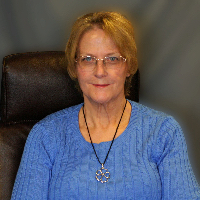
Tamra Priestley
LCMHC
Utah - 8 yrs exp















How cognitive behavioral therapy approaches trauma and abuse
Cognitive behavioral therapy, or CBT, treats trauma and abuse by helping you understand and change the thoughts and behaviors that can keep distress active long after the event. In a CBT framework, symptoms such as intrusive memories, avoidance, hypervigilance, and negative beliefs about the self or world are viewed as learned responses. Therapy focuses on identifying unhelpful thinking patterns, testing those thoughts against evidence, and gradually changing the behaviors that maintain distress. The goal is to give you practical skills that reduce symptoms and improve daily functioning.
When clinicians work with trauma and abuse, they often blend core CBT techniques with trauma-focused strategies. Cognitive restructuring helps you examine and reframe beliefs that may have developed after traumatic experiences - beliefs about safety, trust, control, and self-worth. Behavioral interventions such as gradual exposure or activity re-engagement reduce avoidance and teach your nervous system that feared memories or situations can be tolerated without harm. Skill building in relaxation, grounding, and emotion regulation provides tools to manage intense feelings when they arise. Together these components create a structured, skill-based path toward relief.
Finding CBT-trained help for trauma and abuse in Utah
Looking for a CBT-trained clinician in Utah means considering both clinical expertise and logistical fit. Many therapists list trauma-focused CBT, cognitive processing therapy, or prolonged exposure among their specialties. You can narrow your search by checking therapist profiles for specific training, supervision, or certification in trauma work and for experience treating abuse-related concerns. In larger areas such as Salt Lake City and Provo, you will find clinicians with specialized training and with experience serving diverse age groups and cultural communities. In smaller cities and more rural parts of the state you may encounter clinicians who combine CBT with complementary approaches to meet local needs.
Location, scheduling, and insurance are practical factors to weigh. If you prefer in-person care you can look for providers in Salt Lake City, West Valley City, Ogden, or St. George. If travel is difficult or you live outside major metro areas, many therapists offer remote sessions which can expand your options. You can also ask therapists about their experience with trauma specific to abuse, such as intimate partner violence, childhood maltreatment, or sexual assault, and whether they have worked with survivors from backgrounds similar to your own.
What to expect from online CBT sessions for trauma and abuse
Online CBT sessions tend to follow the same structure as in-person sessions while offering the convenience of attending from home. Your first sessions will usually focus on assessment: your clinician will ask about your history, current symptoms, daily functioning, and what you hope to change. This helps create a collaborative treatment plan. Early sessions often include psychoeducation about how trauma affects the brain and body, and introduction of coping skills such as grounding and breathing techniques to help you manage distress during and between sessions.
As treatment progresses you can expect to spend time practicing cognitive techniques and behavioral exercises. Cognitive work may involve identifying unhelpful thoughts that emerged after the traumatic experience and testing these beliefs through guided inquiry. Behavioral work may involve planned, gradual exposure to avoided memories or situations, or activity experiments that rebuild confidence and routine. Many therapists assign between-session exercises - sometimes called homework - because practicing skills in daily life is central to CBT. Online sessions make it possible to involve supportive family members when appropriate and to coordinate care with other professionals in your area when needed.
Evidence supporting CBT for trauma and abuse
Research has repeatedly shown that CBT approaches can reduce trauma-related symptoms and improve quality of life. Trauma-focused CBT models emphasize both thinking and behavior as targets for change, and studies have found meaningful improvements in symptoms such as intrusive memories, avoidance, and negative beliefs when these methods are applied consistently. While individual outcomes vary, a common finding is that structured, skills-based approaches produce measurable gains in functioning and symptom reduction for many people who engage in treatment.
In Utah, clinicians often adapt proven CBT techniques to fit cultural contexts, language needs, and the practical realities of rural and urban communities. Whether you live near Salt Lake City, Provo, or in more remote areas of the state, therapists are trained to apply evidence-based strategies while tailoring treatment to your life. When evaluating evidence, it can help to ask potential therapists how they measure progress and what outcomes they typically track, such as changes in sleep, mood, or daily activity.
Tips for choosing the right CBT therapist for trauma and abuse in Utah
Choosing a therapist is a personal decision and it helps to consider both qualifications and relational fit. First, look for clinicians who list trauma-focused CBT, cognitive processing therapy, or other trauma-informed CBT variants on their profiles, and who describe relevant training or supervision. Next, pay attention to practical details such as location, availability, and whether they offer remote sessions. If you live near Salt Lake City or West Valley City you may have a broader range of specialty providers, while people in Provo or other cities might prioritize clinicians who integrate CBT with family or community supports.
When you contact a therapist, it is reasonable to ask about their approach to trauma, typical session length, and how they handle crises or intense distress. You can also ask about how they involve you in setting goals and measuring progress. Trust your sense of being heard and respected during an initial conversation or intake session. A good therapeutic match often depends on feeling understood and on a therapist demonstrating an ability to explain CBT techniques in clear, practical terms.
Practical considerations for starting care
Consider factors such as insurance, sliding scale fees, and appointment times when comparing clinicians. If transportation is a concern, look for therapists offering remote sessions or those located near public transit options in cities like Salt Lake City or Ogden. If you are seeking culturally responsive care, inquire about a therapist's experience with clients from your background or with faith-based perspectives common in parts of Utah. You should also ask how the therapist coordinates with medical providers, legal advocates, or community resources when additional supports are needed.
Moving forward with treatment
Starting CBT for trauma and abuse is a step toward building skills that help you manage distress and reclaim daily routines. Therapy is a collaborative process: your willingness to practice skills and the therapist's expertise in CBT techniques both shape progress. Expect the work to include learning new ways of thinking, testing beliefs, and gradually approaching situations or memories that were previously avoided. Over time, many people notice improvements in how they cope with reminders, how they relate to others, and how they handle stress.
If you are ready to begin, use the listings above to compare clinicians, read profiles closely, and reach out to those whose approach and availability match your needs. Whether you live near Salt Lake City, Provo, West Valley City, Ogden, or St. George, there are CBT-trained therapists who focus on trauma and abuse and who can help you find practical strategies for moving forward.