Find a CBT Therapist for Stress & Anxiety in Utah
This page lists clinicians in Utah who use cognitive behavioral therapy to treat stress and anxiety. Browse the profiles below to find CBT-trained therapists serving Salt Lake City, Provo, West Valley City and other Utah communities.

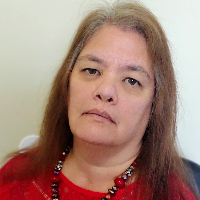

Tamra Priestley
LCMHC
Utah - 8 yrs exp

















How CBT Treats Stress and Anxiety
Cognitive behavioral therapy, or CBT, focuses on the link between thoughts, feelings, and actions. When you are stressed or anxious, your mind tends to produce automatic thoughts that magnify threat and reduce your sense of control. CBT helps you identify those automatic thoughts, examine the evidence for them, and generate more balanced perspectives. That shift in thinking reduces the emotional intensity of worry and fear.
On the behavioral side, CBT helps you test predictions and change unhelpful habits that keep anxiety going. Avoidance, reassurance seeking, and safety behaviors often provide short term relief but maintain symptoms over the long run. Through structured exercises called behavioral experiments and exposure tasks, you gradually face situations that trigger anxiety while learning that feared outcomes are either unlikely or manageable. Over time those experiences weaken the connection between triggers and anxiety reactions.
CBT also teaches practical skills you can use between sessions. Relaxation techniques, problem solving, activity scheduling, and breathing exercises reduce physiological arousal and increase a sense of mastery. The combination of cognitive restructuring and behavioral practice makes CBT a focused, skill based approach that empowers you to manage stress and anxiety in day to day life.
Finding CBT-Trained Help for Stress and Anxiety in Utah
When you look for a CBT therapist in Utah, you want someone who combines formal training in CBT with experience treating anxiety and stress. Many clinicians complete additional coursework or certifications in CBT after their graduate degree. You can search for therapists who list CBT as a primary modality, and review profiles to see whether they describe specific methods such as cognitive restructuring, exposure therapy, or acceptance strategies used within a CBT framework.
Availability varies across the state. Urban centers like Salt Lake City and Provo tend to have more clinicians with specialized CBT training, including clinicians who offer evening hours and multi week CBT programs. If you live outside a major city, telehealth options make it possible to work with CBT trained therapists across Utah, including from West Valley City to St. George. Some community clinics and university training clinics also offer CBT informed care at lower cost if budget is a concern.
What to Expect from Online CBT Sessions for Stress and Anxiety
Online CBT sessions follow many of the same principles as in person work, but are delivered through video or phone to fit your schedule and location. Sessions are typically structured and goal oriented. You and your therapist will begin with an assessment to clarify the most distressing symptoms and set measurable goals. From there, sessions often include a brief check in on symptoms, review of homework, introduction of a new skill or cognitive tool, and planning of practice between sessions.
Homework is central to CBT, and online formats make sharing worksheets and tracking exercises straightforward. You may use digital worksheets, mood tracking apps, or simple journaling to monitor thoughts and behaviors. Your therapist may assign graded exposure tasks if avoidance is maintaining anxiety, and you will plan these tasks with attention to safety and pacing. Technology considerations matter only in practical ways - a reliable internet connection, a quiet room, and familiarity with the video platform are usually enough to get started.
Many people find online CBT especially helpful because it reduces commute time and increases access to specialists who might not be nearby. If you live in a smaller Utah city or a rural area, online sessions let you work with clinicians based in Salt Lake City, Provo, or other areas with concentrated training resources. If you prefer in person contact, ask whether the therapist offers a mix of in person and online sessions.
Evidence Supporting CBT for Stress and Anxiety in Utah and Beyond
CBT is backed by decades of research showing consistent benefits for anxiety disorders and stress related concerns. Clinical trials and practice guidelines often identify CBT as a first line intervention for many anxiety presentations because it teaches specific skills you can apply immediately. That body of evidence has informed training programs and clinician practice across the United States, including providers in Utah.
While research is typically conducted in diverse settings, the basic principles translate to community practice. Therapists in Utah who have completed CBT training draw on evidence based techniques while adapting them to your cultural background, lifestyle, and the particular stresses you face. The result is a pragmatic approach that aims to reduce symptoms while building resilience and coping skills that last beyond the therapy course.
Tips for Choosing the Right CBT Therapist in Utah
Choosing a therapist is a personal decision that combines clinical competence and rapport. Start by checking whether the clinician highlights CBT as a primary treatment method and describes relevant experience with stress and anxiety. You can also look for therapists who mention specific CBT techniques such as exposure therapy, cognitive restructuring, or problem solving, because that indicates applied experience rather than a general interest in CBT.
Practical considerations matter as well. Think about location and scheduling - if you live in Salt Lake City you may have many local options, while someone in West Valley City or Provo may want a blend of in person and telehealth availability. Ask about session length, typical course duration, and how progress is measured. A therapist who uses brief outcome measures or symptom tracking can show you how your symptoms change over time and help adjust the plan as needed.
Insurance and cost are important. Ask whether the therapist accepts your coverage, offers a sliding scale, or provides low cost options through training clinics. If you prefer evening or weekend appointments, confirm availability. You should also consider whether you want a therapist with additional training in related areas, such as trauma informed CBT or mindfulness informed CBT, particularly if your stress or anxiety relates to past events or chronic life stressors.
Finally, trust your initial impressions. The therapeutic relationship is a key ingredient in successful treatment. Most therapists offer an initial consultation - use that time to ask how they apply CBT to anxiety, what homework you might expect, and how they tailor the approach to your life. If the style or temperament does not feel right, it is reasonable to explore another clinician until you find a good fit.
Practical Steps to Begin
Begin by narrowing your search to therapists who list CBT and stress or anxiety as specialties. Read profiles to learn about training and typical session structure. Consider whether you prefer in person sessions near Salt Lake City or Provo, or whether telehealth would allow you to work with a therapist who offers a specific CBT program. Reach out for an initial call to discuss goals, logistics, and fit.
Starting therapy can feel like an important step, and choosing a therapist who focuses on CBT gives you a clear, skills based path forward. With consistent practice and a clinician who matches your needs, many people find that CBT reduces the grip of worry and stress and helps them move toward greater balance and well being in daily life.