Find a CBT Therapist for Social Anxiety and Phobia in Utah
This page highlights clinicians across Utah who use cognitive behavioral therapy to treat social anxiety and phobia. Listings below include practitioner summaries, treatment focus, and how each therapist approaches CBT - browse to compare and reach out to those who match your needs.

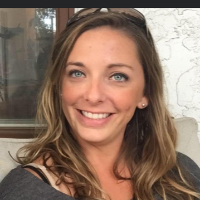
Tamra Priestley
LCMHC
Utah - 8 yrs exp









How CBT specifically treats social anxiety and phobia
Cognitive behavioral therapy for social anxiety and phobia focuses on the thoughts and behaviors that maintain fear of social situations. In CBT you will work with a therapist to identify the mental patterns that trigger anxiety - such as overestimating the likelihood of negative evaluation or misreading social cues - and then learn to test and reshape those patterns. At the same time, behavioral strategies are used to reduce avoidance and increase confidence through gradual, structured experiences in real-world settings.
Cognitive techniques
When you begin CBT, you will likely spend time learning how to recognize automatic thoughts that amplify social fear. Your therapist will guide you through exercises in which you examine the evidence behind anxious predictions and practice generating alternative, more balanced interpretations. These cognitive techniques are designed to help you notice unhelpful thinking patterns, evaluate them, and replace them with options that reduce anxiety without denying your feelings. Over weeks, this shift in thinking can make social situations feel less threatening and reduce the urge to avoid them.
Behavioral techniques
Behavioral work is a core component of CBT for social anxiety. Exposure exercises are planned collaboratively so that you face feared situations in a manageable sequence. Exposures might begin with imagining a stressful scene, move to low-stakes interactions such as short conversations, and progress toward more challenging situations like speaking in groups. Your therapist will help you design experiments to test anxious predictions, and you will gather real experiences that contradict catastrophic expectations. By repeatedly engaging in exposure work, the physiological fear response may decrease and your confidence can grow.
Finding CBT-trained help for social anxiety and phobia in Utah
Searching locally gives you options for in-person work and easier access to community-based exposure opportunities, while remote care expands your choices across the state. In Utah, practitioners are available in urban centers such as Salt Lake City, Provo, and West Valley City, and in smaller communities including Ogden and St. George. When looking at clinician profiles, pay attention to training in CBT-specific methods, such as exposure therapy, cognitive restructuring, and the use of behavioral experiments. Many therapists list their graduate training, post-graduate CBT training, and any specialized workshops or certifications that reflect focused experience with social anxiety and phobia.
Local search also lets you consider practical factors like driving distance, parking, office accessibility, and the therapist's familiarity with community resources. If you live in a college town such as Provo, you may find clinicians who have experience working with students and the social stressors common on campuses. In Salt Lake City and West Valley City, you may encounter clinicians with a wide variety of specialty populations and group therapy options that can complement one-on-one CBT.
What to expect from online CBT sessions for social anxiety and phobia
Online CBT sessions maintain the same foundational techniques as in-person care, with cognitive work and guided exposures adapted for a virtual format. You should expect sessions to begin with a collaborative assessment of your current difficulties and treatment goals, followed by teaching of CBT strategies and homework assignments. Between sessions, you will typically practice exposures and cognitive exercises in real-life settings and then review progress with your therapist. Online sessions can make it easier to schedule appointments and allow you to practice exposure tasks in the environments where you encounter the most anxiety, such as a workplace video call or a neighborhood coffee shop.
When choosing online care, consider how comfortable you are with remote communication and whether the therapist offers tools that support exposure outside sessions. Some clinicians provide worksheets, video demonstrations, or digital tracking to help you monitor progress. If you prefer hybrid care - a mix of video sessions and occasional in-person meetings - ask prospective therapists if they offer that flexibility. Online work can be especially helpful if you live farther from urban centers like Ogden or St. George, or if transit to a Salt Lake City office is difficult.
Evidence supporting CBT for social anxiety and phobia
The approach used in CBT directly targets the psychological and behavioral processes that sustain social anxiety. Research over decades has consistently shown that treatments emphasizing both cognitive change and behavioral exposure produce measurable reductions in avoidance and distress. While individual outcomes vary, CBT techniques such as cognitive restructuring and graded exposure are among the most studied and often recommended approaches for social anxiety and phobia. In Utah, as elsewhere, clinicians adapt these evidence-based methods to the local context - including cultural considerations, family dynamics, and community expectations - so that treatment feels relevant to your daily life.
When reviewing clinician profiles, look for mention of ongoing outcome measurement or the use of standardized symptom tracking. Therapists who monitor progress tend to adjust treatment plans based on how you respond, which can lead to more focused and efficient work. Evidence-based practice also involves tailoring methods to your unique situation, so expect a balance of proven techniques and personalized planning.
Tips for choosing the right CBT therapist for social anxiety and phobia in Utah
Finding the right therapist involves both practical and interpersonal considerations. Begin by identifying clinicians who explicitly describe CBT training and experience with social anxiety and phobia. Then consider questions you might ask during an initial contact - how they structure exposure work, whether they use homework and progress tracking, and how they involve you in setting goals. You may also ask about their experience with specific populations such as students, professionals, or members of cultural communities common in Utah.
Think about logistics that will affect consistency in your care. If you live near Salt Lake City or West Valley City, commuting time and office hours will influence your ability to attend regularly. If you are in a less dense area, such as St. George, telehealth availability may be a deciding factor. Cost and insurance acceptance are practical realities, so confirm session fees and any sliding-scale options before beginning. Equally important is the therapeutic fit - you should feel heard and understood, and the therapist should explain CBT methods in a way that makes sense to you.
Trust your instincts during initial contacts and the first few sessions. If a therapist uses jargon without clarifying how exercises relate to your goals, it may be harder to stay engaged. A good CBT therapist will collaborate with you to create measurable steps and support you through the discomfort that often accompanies change. Over time, you should notice a clearer understanding of anxious thoughts and more opportunities to test fears in everyday life.
Next steps and local considerations
Begin by browsing the profiles below to compare clinicians who list CBT for social anxiety and phobia. Consider reaching out to a few providers to ask about their experience, treatment structure, and availability for either in-person sessions or video therapy. If you live near Provo, you may prefer clinicians who understand the student environment. If you commute through Salt Lake City or live in West Valley City, look for practitioners with flexible scheduling. For those outside major metro areas, telehealth options can connect you with experienced CBT practitioners across Utah.
Deciding to seek help is an important step. CBT offers a structured, collaborative framework that teaches skills you can use long after therapy ends. Use the listings below to identify clinicians whose approach and background match what you need, and reach out to schedule an initial consultation to learn more about how CBT can be tailored to your life and goals.