Find a CBT Therapist for Self Esteem in Utah
This page features clinicians in Utah who use cognitive behavioral therapy to address self esteem concerns, including clinicians offering both in-person and online care. Browse the listings below to compare training, approaches, and availability before reaching out to a therapist.

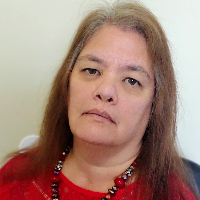

Tamra Priestley
LCMHC
Utah - 8 yrs exp


















How CBT works for building healthier self esteem
Cognitive behavioral therapy, or CBT, approaches self esteem by addressing the thoughts and behaviors that keep you feeling stuck. Instead of focusing on personality traits as fixed, CBT treats self esteem as a set of patterns - patterns of thinking about yourself, patterns of reacting to difficult situations, and patterns of avoiding experiences that might challenge negative beliefs. In a typical CBT frame you and your therapist collaborate to identify the specific thoughts that lower your sense of worth and to test those thoughts against evidence from your life.
On the cognitive side you learn to notice automatic negative thoughts - the quick judgments you make about yourself when something goes wrong. Those thoughts are examined for accuracy and usefulness. Over time you practice alternative ways of interpreting events that create a fairer, more balanced view of yourself. On the behavioral side you identify habits that maintain low self esteem, such as withdrawing from social situations, perfectionistic routines that leave you feeling defeated, or avoiding feedback. You plan experiments and small steps to help you gather new experiences that contradict old beliefs and build confidence.
Practical techniques used in CBT for self esteem
A CBT therapist will often use thought records to help you track patterns, behavioral activation to increase engagement with meaningful activities, and graded exposure to reduce avoidance. You might rehearse new ways of asserting yourself, set realistic goals that allow for measurable progress, and practice self-compassion exercises that change the tone of internal self-talk. The emphasis is on skills you can carry into daily life so improvements are lasting, rather than relying only on insight or reassurance.
Finding CBT-trained help for self esteem in Utah
When looking for a therapist who uses CBT techniques in Utah, start by scanning clinician profiles for mentions of CBT, cognitive restructuring, behavioral experiments, or schema work. Many therapists list their training and certifications, years of experience, and whether they focus on self esteem or related concerns such as social anxiety or perfectionism. You can filter for in-person sessions in cities like Salt Lake City, Provo, West Valley City, Ogden, or St. George, or for clinicians who offer online appointments if you prefer remote sessions.
It helps to read a few clinician biographies to get a sense of approach and style. Some therapists describe a direct, skills-based method with homework between sessions, while others blend CBT with compassion-focused techniques or acceptance strategies. Consider whether you prefer a therapist who emphasizes structured exercises and measurable goals or someone who balances structure with exploration of past experiences that shaped your self view.
What to expect from online CBT sessions for self esteem
Online CBT sessions follow the same general structure as in-person work, with an emphasis on assessment, goal setting, skills training, and reviewing progress. Video visits allow you to practice real-world skills in a convenient setting, and your therapist can guide you through thought records, role plays, and behavioral experiments adapted for online use. Sessions typically include collaborative planning - you and your therapist agree on specific tasks to practice between meetings, and those tasks are reviewed to refine strategies.
Because self esteem often shows up in social situations, online therapy can be useful for practicing assertive communication in a measured way before trying it in person. For people in rural parts of Utah or those with busy schedules, online sessions make it easier to connect with CBT-trained clinicians who might otherwise be unavailable. Be sure to ask prospective therapists how they structure online work, whether they assign digital worksheets, and what platforms they use for secure messaging and scheduling.
Evidence supporting CBT for self esteem
Research over several decades has shown that CBT helps people develop more balanced self-evaluations and reduces patterns of avoidance that maintain low self worth. Many clinical trials and outcome studies have focused on related concerns such as social anxiety, depression, and body image, and those results often translate to improvements in self esteem because the underlying thought and behavior processes overlap. When therapists tailor CBT specifically to self esteem, the work centers on core beliefs, behavioral experiments, and skills for managing self-critical thinking.
In Utah, as in other regions, clinicians trained in CBT bring those evidence-based strategies into local practice. Whether you are in a larger center like Salt Lake City or Provo, or in smaller communities such as West Valley City or St. George, you can find therapists who follow CBT principles and who measure progress with practical goals. If you value approaches that emphasize practice, measurable change, and clear strategies, CBT has a strong track record to recommend it.
Tips for choosing the right CBT therapist for self esteem in Utah
First, consider logistics - location, availability, and whether you prefer in-person meetings or online sessions. If you live near Salt Lake City or Provo you may have more options for specialized clinics, while smaller towns may require prioritizing clinicians who offer virtual appointments. Think about the therapist's stated approach and how comfortable you feel with it. If a therapist describes regular homework, structured sessions, and evidence-based techniques, that is a good match for CBT work aimed at changing thought and behavior patterns that affect your self esteem.
During an initial phone or intake call, ask about how they tailor CBT to self esteem, what a typical session looks like, and how progress is tracked. You can ask whether they use thought records, behavioral experiments, or role plays, and whether they incorporate self-compassion or acceptance strategies alongside cognitive restructuring. It is reasonable to ask about training and experience specific to self esteem work, as well as how they handle setbacks. A strong CBT therapist will outline concrete steps for when progress stalls and will collaborate with you to adjust the plan.
Also reflect on personal fit. You are more likely to stick with therapy when you feel understood and when the therapist's style matches your preferences. Some people prefer a warm, collaborative tone with practical assignments, while others like a more directive, problem-solving approach. If you try a few sessions and feel it is not a good fit, it is appropriate to ask for referrals or try another clinician. Your comfort and trust in the process are important parts of successful CBT for self esteem.
Making the first appointment and what comes next
When you find a therapist who seems like a good match, reach out to schedule an initial appointment. Intake sessions often include a history of your concerns, an assessment of current patterns, and collaborative goal setting. You will likely leave the first few sessions with a clear plan of action - specific thoughts or behaviors to track, short-term goals to build momentum, and a schedule for reviewing progress. As you continue, therapy shifts toward practicing skills in real-life situations and collecting evidence that challenges negative self-beliefs.
Over time many people notice increased flexibility in self-evaluation, a greater willingness to take on new challenges, and improved ability to manage setbacks. Progress is rarely linear, and your therapist should help you normalize ups and downs while providing concrete tools for moving forward. Whether you live in a busy neighborhood of Salt Lake City, commute to work in West Valley City, or prefer online sessions from home in St. George, finding a CBT-trained clinician who fits your needs can be an important step toward healthier self esteem.
Next steps
Browse the therapist profiles on this page to compare training, availability, and treatment approach. Reach out to clinicians whose descriptions resonate with your goals and ask about their experience using CBT specifically for self esteem. Taking that first step can lead to measurable changes in how you think about yourself and how you engage with the world.