Find a CBT Therapist for Phobias in Utah
This page highlights therapists in Utah who specialize in treating phobias using cognitive behavioral therapy (CBT). Browse the listings below to compare approaches, locations, and credentials and connect with a clinician who fits your needs.

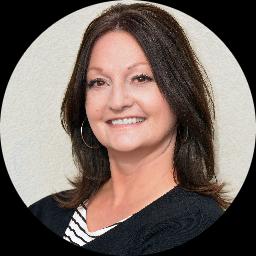
Tamra Priestley
LCMHC
Utah - 8 yrs exp











How CBT Addresses Phobias: The Basics
Cognitive behavioral therapy approaches phobias by targeting both the thoughts and behaviors that maintain fear. When you develop a phobia, avoidance and safety behaviors often prevent disconfirmation of catastrophic predictions. CBT begins with a careful assessment and formulation that links triggers, thoughts, bodily responses, and avoidance patterns. From that starting point, therapy blends cognitive techniques that help you examine and test fearful beliefs with behavioral strategies that gradually reduce avoidance through repeated, manageable contact with feared situations.
Cognitive work - changing the story you tell yourself
The cognitive component helps you identify the automatic catastrophic thoughts that arise in the presence of a phobic stimulus. You learn to notice thinking patterns such as overestimation of danger, intolerance of uncertainty, or selective attention to threat cues. Through guided experiments and gentle reality testing, you develop alternative, more balanced interpretations. That shift in appraisal reduces anticipatory anxiety and makes it easier to face situations that you previously avoided.
Behavioral work - learning by doing
Behavioral techniques focus on exposure - planned, repeated contact with the feared object or situation. Exposure can be imaginal, in vivo, or interoceptive depending on the phobia. The goal is not to eliminate fear immediately but to provide opportunities for learning that fear declines over time when avoidance is reduced. Therapists work with you to design graded exposure hierarchies so that challenges build gradually. Behavioral experiments then test predictions and reinforce new learning, which helps dismantle the cycle of avoidance and increasing fear.
Finding CBT-Trained Help for Phobias in Utah
When looking for a therapist in Utah, you may want to prioritize clinicians who specifically state training in CBT or exposure therapy. Many therapists advertise experience with anxiety and phobias, but asking about specific exposure-based protocols and experience with your type of fear can clarify fit. Consider practitioners in larger population centers such as Salt Lake City and Provo where you will often find clinicians with specialized CBT training and access to peer consultation groups. West Valley City and surrounding communities also host skilled providers who blend accessibility with focused approaches to phobia treatment.
Licensing and professional credentials matter as markers of training and oversight, but experience with CBT techniques and outcomes-focused practice are what matter most for phobias. You can ask potential therapists about how they measure progress, whether they assign homework between sessions, and if they use standardized tools to track symptom change. Those details reveal how closely the therapist’s approach aligns with empirically supported CBT methods.
What to Expect from Online CBT Sessions for Phobias
Online CBT sessions for phobias often follow the same structure as in-person work, with assessment, collaborative case formulation, cognitive restructuring, and exposure planning. Teletherapy lets you work from your home or another comfortable setting, which can be convenient if you live outside a city center or have mobility constraints. Your therapist will guide you through psychoeducation and cognitive techniques during video sessions and assign practical exercises to practice between meetings.
Exposure work in online therapy can still be highly effective. Therapists may coach you through imaginal exposure or virtual exposures while connected on video, and then support you in arranging safe, real-world behavioral steps to practice in your daily environment. For example, if you have a fear of public transportation, your therapist might support a step-by-step plan that includes short rides during low-traffic hours, with pre-planned coping strategies and debriefing after each trial. The therapist’s role is to help you plan exposures so they are challenging but manageable and to review learning after each attempt.
Evidence Supporting CBT for Phobias
CBT has been extensively studied for treating phobias and is widely recommended by clinical guidelines because of its robust track record. Research shows that exposure-based CBT reduces avoidance and fear across a range of specific phobias and social anxieties. In practice, outcomes tend to improve when therapy is structured, when sessions include measurable goals, and when clients engage in regular practice outside of sessions. You can expect therapists who follow CBT principles to emphasize active skills, agreed-upon homework, and periodic outcome checks.
In Utah, clinicians who use CBT often draw on the same evidence-based frameworks used elsewhere, while adapting delivery to local needs and resources. Whether you pursue in-person care in Salt Lake City or teletherapy from a smaller town, the core elements of CBT - education about fear, cognitive strategies, and graduated exposure - remain central to effective treatment.
Tips for Choosing the Right CBT Therapist for Phobias in Utah
Start by clarifying your goals and the specific situations that cause difficulty. When you contact a therapist, ask about their experience treating phobias with CBT and how they structure exposure work. Request information about typical session length, frequency, and how progress is measured. It is reasonable to ask for examples of behavioral strategies they commonly use and how they support clients between sessions. If you prefer in-person visits, search in your region or near major hubs like Salt Lake City, Provo, or West Valley City. If teletherapy is more convenient, confirm the clinician’s availability for video sessions and how they handle in-person tasks that may be needed as part of exposure practice.
Consider the practicalities as well. Ask about fees, insurance policies, and whether they offer sliding-scale options if that is important. Find out about appointment availability that fits your schedule, including early morning or evening slots if you are balancing work or school. Trust and rapport are crucial, so choose a therapist whose communication style feels collaborative and respectful of your pace. A good CBT therapist will explain the rationale for techniques, invite your input when designing exposures, and help you build skills that you can use after therapy ends.
Next Steps and Local Considerations
Once you identify a few candidates, consider scheduling brief consultations to see how well you connect and to ask targeted questions about their CBT approach to phobias. If you live near urban centers such as Salt Lake City or Provo, you may have access to specialized anxiety treatment groups or clinics that focus on exposure-based interventions. In more rural parts of Utah, teletherapy can widen your options and connect you with therapists who have specific CBT training. Wherever you are located, a therapist who commits to a structured, evidence-oriented plan and who supports you through active practice can make a real difference in how you manage phobic fear.
Phobia treatment commonly leads to meaningful reductions in avoidance and improved confidence in everyday situations. By focusing on both the thinking patterns that fuel fear and the behaviors that maintain it, CBT helps you build tolerance to anxiety and expand the activities you can engage in. Use the listings above to compare therapists, read provider descriptions for CBT expertise, and reach out to begin a conversation about tailored treatment in Utah.