Find a CBT Therapist for Panic Disorder and Panic Attacks in Utah
This page lists CBT therapists in Utah who focus on panic disorder and panic attacks. Each profile highlights CBT training, treatment focus, and service areas across the state. Browse the listings below to compare approaches and connect with a clinician who matches your needs.


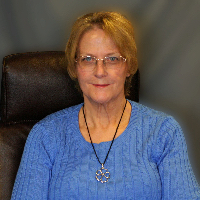
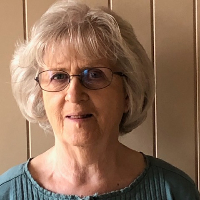
Tamra Priestley
LCMHC
Utah - 8 yrs exp

















How CBT Treats Panic Disorder and Panic Attacks
Panic attacks can feel sudden and overwhelming, and panic disorder often develops when those attacks begin to shape how you think and behave. Cognitive behavioral therapy, or CBT, addresses both parts of that cycle - the thoughts that magnify fear and the behaviors that keep panic going. In practice, CBT helps you learn to identify unhelpful predictions and interpretations about bodily sensations and situations, and to test those beliefs through planned, gradual behavioral steps.
On the cognitive side you will work with your therapist to notice automatic thoughts that escalate anxiety - thoughts that say an increased heart rate means a heart attack, or that shortness of breath means you will lose control. Through guided questioning and structured exercises you will learn to evaluate the evidence for those interpretations and to develop more balanced, realistic appraisals. This is often called cognitive restructuring, and it shifts the mental habits that feed panic.
On the behavioral side CBT uses exposure-based strategies to reduce avoidance and fear of sensations. Interoceptive exposure targets the bodily sensations themselves by intentionally and safely provoking them in session - for example through light exercise or controlled breathing changes - so you can learn those sensations are uncomfortable but not dangerous. Situational exposure helps you gradually face places or activities you've been avoiding. Over time, repeated practice weakens the association between certain sensations or situations and extreme panic responses.
Finding CBT-Trained Help for Panic in Utah
When you search for a therapist in Utah, look for clinicians who emphasize CBT training and experience with panic disorder and panic attacks. Many therapists include specific descriptions of their approach in their profiles, noting experience with cognitive restructuring, interoceptive exposure, and anxiety-focused behavioral experiments. You can narrow your search by city if you prefer in-person care - for example you may search listings in Salt Lake City, Provo, West Valley City, Ogden, or St. George - or by looking for clinicians who mention telehealth if you want virtual sessions.
Licensure and professional training vary across clinicians, so reviewing profile details helps you understand whether a therapist uses manualized CBT protocols or integrates CBT with other evidence-based techniques. If a profile mentions panic-focused treatment or anxiety disorder specialization, that usually indicates familiarity with the methods most commonly used to treat panic. You can also check whether the therapist describes supervised training in CBT or advanced coursework that emphasizes exposure-based methods.
What to Expect from Online CBT Sessions for Panic
Online CBT sessions follow many of the same principles as in-person care, adapted to a virtual format. You will typically meet through video for regular sessions where you and the therapist set concrete goals, review recent panic episodes, and practice cognitive and behavioral exercises. Early sessions often focus on psychoeducation - understanding how panic works - and creating a plan for interoceptive and situational exposures that you can do safely at home.
Your therapist will guide you through practicing new thinking patterns and planning exposures between sessions. Homework is an important part of CBT; you will likely keep logs of panic symptoms, note triggers and thoughts, and record the outcomes of exposure exercises. Online sessions can make it easier to integrate practice into your daily routine because you and your therapist can design exposures around the environments you actually encounter. If you live outside Salt Lake City or in a more rural part of Utah, virtual CBT can expand your access to clinicians with specific panic disorder expertise.
Evidence Supporting CBT for Panic Disorder and Panic Attacks
CBT is one of the most frequently recommended psychological treatments for panic-related problems because it directly targets the thinking and behavior patterns that sustain panic. Research and clinical guidelines emphasize the value of cognitive restructuring and exposure-based techniques for reducing the frequency and intensity of panic attacks and decreasing avoidance. While individual outcomes vary, many people who complete a structured CBT program report fewer panic episodes, improved coping skills, and greater confidence in managing symptoms.
In Utah, therapists trained in CBT often draw on these standardized strategies and adapt them to your specific life context, whether you live in a dense urban area or a smaller community. The key to effective treatment is consistent practice and collaboration between you and the therapist, applying techniques to the situations that matter to you most.
Tips for Choosing the Right CBT Therapist in Utah
Choosing a therapist is a personal decision, and several practical factors can help you narrow options. Start by reviewing profiles to confirm the therapist lists CBT and panic-focused experience. Read how they describe their typical session structure and whether they emphasize exposure work and cognitive techniques. Consider logistics like availability, whether they offer evening or weekend appointments, and whether they provide online sessions if that is important to your schedule.
Location matters if you want face-to-face care. Salt Lake City has a larger concentration of clinicians with specialized training, while Provo, West Valley City, Ogden, and St. George each have practitioners who focus on anxiety and panic treatment. If you prefer to work with someone near your community, search by city to see who lists office locations and local insurance acceptance. If in-person access is limited where you live, online CBT opens up more choices across the state.
During an initial consultation you can ask about the therapist's specific experience with panic disorder, what a typical treatment timeline looks like, and how they measure progress. Ask whether they use structured CBT protocols and how they tailor exposure exercises to your comfort level. A good first session will leave you with a clear plan for the next steps and a sense of how the therapist supports skill practice between sessions.
Preparing for Your First Sessions
Before your first appointment think about recent panic episodes and the situations where they occur. Note any thoughts or predictions that arise during an attack, and be ready to discuss avoidance behaviors that may have developed. This information helps your therapist design targeted cognitive and exposure strategies. Expect to discuss short-term goals, such as reducing attack frequency, and longer-term goals like returning to activities you have been avoiding.
Therapy is a collaborative process. You and your therapist will set the pace for exposures and build skills that you can use independently. If you live in a busy region of Utah or prefer remote care, you can often find therapists who will work with your schedule and provide the focused CBT approach that targets panic mechanisms.
Making the Decision
Finding the right CBT therapist in Utah takes a mix of practical matching and personal fit. By prioritizing clinicians who describe specific training and experience in CBT for panic disorder and panic attacks, reviewing session formats and availability, and asking focused questions in an initial consultation, you increase the chances of starting a treatment plan that feels actionable and meaningful. Whether you connect with a clinician in Salt Lake City, Provo, West Valley City, Ogden, St. George, or via telehealth across the state, CBT offers structured tools you can practice to change how you respond to panic and regain more control over daily life.