Find a CBT Therapist for Coping with Life Changes in Utah
This page lists clinicians in Utah who focus on coping with life changes using cognitive behavioral therapy. You will find profiles that describe each therapist's CBT training, specialties, and service area. Browse the listings below to compare approaches and contact a provider who fits your needs.

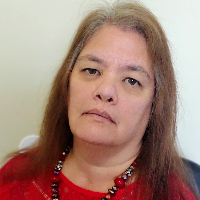

Tamra Priestley
LCMHC
Utah - 8 yrs exp


















How CBT Helps You Navigate Life Changes
Cognitive behavioral therapy, often called CBT, treats coping with life changes by addressing the thoughts and behaviors that shape how you respond to transitions. Life changes - such as a career shift, a move, a breakup, caregiving responsibilities, retirement, or loss - often trigger patterns of thinking that make adaptation harder. CBT helps you identify unhelpful thoughts and test them against reality, while also changing behaviors that keep you stuck. The goal is practical: reduce immediate distress, build skills that support adjustment, and create routines that reinforce healthier responses over time.
In practice, CBT uses a mix of cognitive techniques and behavioral strategies. Cognitive techniques help you notice automatic thoughts and core beliefs that amplify worry, sadness, or avoidance. By examining evidence for and against these thoughts, you learn to generate alternatives that are more balanced and useful. Behavioral strategies encourage step-by-step action - scheduling activities that restore energy, setting small goals to rebuild confidence, or practicing new interpersonal skills when relationships shift. Together these approaches help you move from reacting to change to managing it with intention.
Finding CBT-Trained Help for Life Changes in Utah
When you search for a CBT therapist in Utah, look for clinicians who describe specific CBT training and an emphasis on coping with transitions. Many licensed clinicians in the state list CBT as a primary approach and will note experience with adjustment, grief, career transitions, or relationship change. You can filter by location to find someone near you in Salt Lake City, Provo, or West Valley City, or choose clinicians who serve rural areas like Ogden and St. George by offering remote sessions. Licensing titles vary - psychologists, clinical social workers, counselors, and marriage and family therapists can all practice CBT when they have relevant training.
Consider whether you prefer in-person sessions or remote appointments. In urban centers like Salt Lake City and Provo you may find more options for specialized CBT providers, while telehealth expands access across Utah so you can connect with someone whose training closely matches your needs even if they are based in another city. Look at therapist profiles to learn about their measurement tools, typical session length, and whether they use structured CBT modules for life transitions versus a more integrative style that blends CBT with other approaches.
What to Expect from Online CBT Sessions for Life Changes
Online CBT sessions generally follow the same structure as in-person work, with some practical differences. Your therapist will begin with an intake assessment to understand the context of your life change, current symptoms, and what you hope to achieve. Together you will set specific, measurable goals - for example, reducing avoidance of social calls after a move, reestablishing a daily routine after job loss, or managing intrusive thoughts related to a relationship change. Sessions typically last 45 to 60 minutes and may occur weekly at first, then taper as you gain skills.
Homework is a common part of CBT, and in an online setting assignments are often shared electronically - worksheets, thought records, or behavioral experiments designed for the week. You will be encouraged to practice skills between sessions and to track progress. Therapists may use video, phone, and secure messaging for scheduling and brief check-ins. Make sure to ask how your prospective therapist conducts remote sessions, what platform they use, and how they handle technical issues so you know what to expect on the first virtual appointment.
Evidence Supporting CBT for Coping with Life Changes
Research over decades has shown that CBT techniques are effective for a wide range of stressors and adjustment difficulties. Studies and reviews indicate that cognitive restructuring, behavioral activation, and problem-solving training can reduce distress and improve functioning when life circumstances shift. While individual outcomes vary, the emphasis on skills and measurable goals makes CBT a practical choice when you want tools that help you regain control and move forward.
In Utah, clinicians trained in CBT bring those evidence-based practices into community and private settings. Whether you live in a larger city like Salt Lake City or Provo or in smaller communities across the state, therapists often adapt CBT to local needs, weaving in cultural context and practical constraints. If you are interested in the research, ask potential therapists how they measure outcomes and whether they use brief validated tools to monitor progress over the course of treatment.
Tips for Choosing the Right CBT Therapist in Utah
Choosing a therapist is a personal decision. Start by clarifying what matters most to you - experience with a particular type of life change, familiarity with your cultural background, scheduling flexibility, or the option for video sessions. When you contact a clinician, ask about their CBT training - formal workshops, certifications, or supervised experience doing CBT with people facing transitions. A good therapist will explain how they tailor CBT to your situation and give examples of practical skills you might learn.
Consider logistics as well. Ask about session frequency, fees, insurance or sliding scale options, and cancellation policies. If you live near West Valley City or frequently travel between Utah cities, confirm whether the clinician offers evening appointments or recorded resources to support practice between sessions. It can be helpful to schedule an initial consultation to get a sense of fit - how the therapist listens to your story, whether they propose clear short-term goals, and how they plan to track progress. Trust your sense of whether you can be candid and work on assigned tasks together.
Practical considerations for rural and urban care
If you are in a rural part of Utah, online CBT may be the fastest route to a therapist with specific experience in life transitions. Urban areas like Salt Lake City and Provo often provide more choices for clinicians who combine CBT with other training, but remote options make it possible to access specialized expertise statewide. When you choose a therapist, make sure they are licensed to practice in Utah and that you understand their policies for telephone or video appointments across state lines if you travel frequently.
Getting Started and What to Expect
Begin by reviewing profiles and reaching out to a few therapists who describe CBT-focused work with life changes. Prepare a short summary of your current challenge, what you have tried so far, and the most important outcome you want from therapy. In early sessions you will likely complete assessments and set a treatment plan with clear steps. Expect active engagement - the work is collaborative and you will be asked to practice skills between sessions. Over time you should see improvement in your ability to manage stressful thoughts, reengage with meaningful activities, and approach change with more flexibility.
If you are facing an immediate crisis or are unsure about safety, contact local emergency services or a crisis line in Utah right away. For non-urgent transitions, a CBT therapist can help you develop a plan that fits your life, whether you live in Salt Lake City, Provo, West Valley City, Ogden, St. George, or elsewhere in the state. Start by browsing profiles on this page to compare CBT specialties, availability, and approaches, and then reach out to schedule a consultation that moves you toward adaptation and renewed resilience.