Find a CBT Therapist for Sexual Trauma in Texas
This page helps you find therapists in Texas who use cognitive behavioral therapy to address sexual trauma. You'll see clinicians who emphasize CBT approaches and trauma-focused care across the state.
Browse the listings below to compare training, locations, and availability and to contact therapists who may be a good fit for your needs.
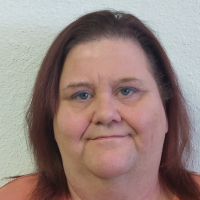



Dr. Ngozi Okose
LPC
Texas - 22 yrs exp











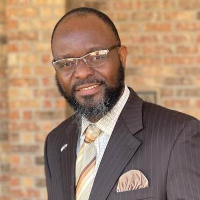
Wilfred Manyango
LPC
Texas - 6 yrs exp






How CBT approaches sexual trauma
If you are dealing with the aftermath of sexual trauma, CBT offers a structured way to understand how thoughts, feelings, and behaviors interact. CBT begins from the idea that the meaning you assign to an event - the thoughts and beliefs that follow - helps shape how you respond emotionally and behaviorally. With sexual trauma, common reactions include intrusive memories, heightened vigilance, avoidance of reminders, and negative self-beliefs. CBT helps you identify those patterns and gently shift them so symptoms become more manageable.
Cognitive mechanisms - changing the story you tell yourself
One focus of CBT is the cognitive work - the process of noticing unhelpful appraisals and testing them against evidence. You learn to recognize automatic thoughts that may blame you, exaggerate danger, or predict that you cannot cope. Through collaborative inquiry with a therapist, you explore alternative interpretations and develop more balanced beliefs. That does not mean denying what happened. Rather, you create a more accurate and less self-damaging narrative that reduces the intensity of fear and shame.
Behavioral mechanisms - relearning responses
CBT also uses behavioral techniques to change how you respond in the world. When avoidance keeps you from situations that feel threatening, your fear stays active. Behavioral work often includes gradual exposure - in imagination or in real life - to reduce avoidance and teach your nervous system that cues can be tolerated. Behavioral experiments let you test assumptions in controlled ways so your expectations about danger or incapacity can be updated. Alongside exposure, therapists will introduce skills for emotion regulation, grounding, and improving sleep and daily routines - practical changes that support recovery.
Finding CBT-trained help for sexual trauma in Texas
When looking for a therapist in Texas, it helps to focus on training and experience with trauma-focused CBT approaches. Search for clinicians who list trauma-focused CBT, cognitive processing therapy, or other CBT-based trauma work in their profiles. Licensure titles you may see include Licensed Professional Counselor, Licensed Clinical Social Worker, psychologist with a PhD or PsyD, and other state-licensed clinicians. These titles indicate different training backgrounds but do not replace asking about specific CBT experience.
Major urban centers such as Houston, Dallas, and Austin tend to have more clinicians who specialize in CBT for sexual trauma, but you can also find experienced providers in San Antonio, Fort Worth, and many suburban and rural areas. If local options are limited where you live, online therapy can increase your choices. Directory listings often note whether a therapist offers telehealth appointments, their areas of specialty, and any trauma-focused certifications or training they have completed.
What to expect from online CBT sessions for sexual trauma
If you choose online CBT, sessions follow the same general CBT structure as in-person care but are adapted for a virtual format. Your therapist will begin with an assessment to understand your history, current symptoms, and goals. You and your therapist will agree on initial treatment goals and a plan that may include exposure work, cognitive restructuring, skills practice, and homework between sessions. Sessions typically last 45 to 60 minutes and occur weekly at first, though frequency can change based on progress.
Online work requires some preparation on your part. You will want a quiet, private place where you feel comfortable speaking openly, and you may use video or phone depending on your preference and the therapist's setup. Therapists often review safety and crisis planning early on so you and they know how to respond if you experience intense distress between sessions. Homework is a core part of CBT - assignments help you practice new skills and consolidate gains. Many people find they can make meaningful progress via telehealth, which also makes specialist care more accessible if you live outside Houston, Dallas, or Austin.
Evidence and support for CBT when treating sexual trauma
Research shows that CBT-based treatments can reduce trauma-related symptoms and improve coping for many people who have experienced sexual trauma. Clinical studies and meta-analyses support the use of structured cognitive and behavioral techniques for post-traumatic stress symptoms, intrusive memories, and avoidance behavior. Trauma-focused CBT variants, such as cognitive processing protocols, are widely taught and used in clinical settings because they give therapists clear strategies to follow while allowing clinicians to tailor approaches to individual needs.
The strength of CBT lies in its emphasis on measurable goals and active skill building. You will work with your therapist to set goals that are meaningful to you - whether that is reducing panic attacks, improving sleep, reclaiming daily routines, or feeling safer in relationships. In Texas, clinicians in academic centers and community clinics often receive ongoing training in evidence-based methods, and many therapists across Houston, Dallas, and Austin participate in regional workshops and supervision groups to stay current with research and best practices.
Tips for choosing the right CBT therapist for sexual trauma in Texas
Choosing a therapist is a personal process and you are entitled to take time to find the right fit. Start by reading therapist profiles to see who lists sexual trauma and CBT as specialties. Look for information about experience with trauma-focused protocols and any continuing education or certifications in CBT. When you contact a clinician, ask about their experience treating sexual trauma, what CBT methods they use, and how they adapt exposure or cognitive work to your pace.
Consider practical factors like location, availability, insurance or fees, and whether they offer in-person sessions in towns like Houston or Austin or telehealth that can reach you anywhere in Texas. Pay attention to how comfortable you feel during an initial phone or video consultation - rapport matters. A good therapist will explain what the early sessions will involve, discuss how homework and goals are set, and be transparent about how progress is monitored. If you have cultural or identity-specific needs, ask how the therapist approaches those topics so you find someone who respects and understands your background.
If you live outside major cities, telehealth can connect you to clinicians in Houston, Dallas, or Austin who have specialized CBT training. You might also inquire whether a therapist collaborates with medical providers or local support services if you need additional resources. Taking a first step by contacting a few therapists and asking direct questions can help you find someone whose approach and schedule match your needs.
Making the first contact and taking the next step
When you are ready, reach out to therapists who seem like a fit and ask for a brief consultation. Use that call to clarify logistics, treatment approach, and how they would approach CBT for sexual trauma. Remember that early sessions often focus on building safety, trust, and a practical plan rather than immediately diving into the most painful memories. You can ask about typical session length, homework expectations, and how progress is tracked so you know what to expect.
Finding the right CBT therapist in Texas is about balancing clinical expertise with personal comfort. Whether you are connecting with a clinician in Houston, meeting someone in Dallas, scheduling telehealth with a therapist in Austin, or working with a provider closer to San Antonio or Fort Worth, the directory below is designed to help you compare options. Taking the step to reach out is a way of prioritizing your well-being and creating room for gradual, meaningful change.
Browse the listings below to compare qualifications, read about each therapist's approach to CBT and sexual trauma, and contact those who feel like a potential fit. You do not have to navigate this process alone - help that focuses on practical skills and healing is available across Texas.