Find a CBT Therapist for Personality Disorders in Texas
This page connects you with therapists in Texas who use cognitive behavioral therapy (CBT) to address personality disorders. Browse listings below to find CBT-focused clinicians near major metro areas and learn about their approaches.
Use the directory to compare credentials, specialties, and availability so you can reach out to a clinician who may be a good fit for your needs.


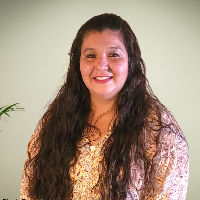
Dr. Ngozi Okose
LPC
Texas - 22 yrs exp

















How CBT Approaches Personality Disorders
If you are exploring CBT for personality disorders, you are looking at a form of therapy that focuses on the links between thoughts, feelings and behaviors. CBT helps you identify patterns in how you interpret situations, test assumptions that may lead to problematic reactions, and gradually build alternative ways of responding. For personality difficulties, therapists adapt traditional CBT with interventions that target long-standing schemas - the deep-rooted beliefs you hold about yourself and others - and the habitual behaviors that reinforce those beliefs.
In practical terms, CBT work often begins with assessment and collaborative goal-setting. You and your therapist map out common triggers, the thinking patterns that follow, and the behaviors that keep unhelpful cycles in place. From there, treatment blends cognitive techniques such as identifying distortions and reframing, with behavioral work like structured experiments, role-play to practice new relational skills, and graded exposure to feared situations. Over time, this combined approach aims to change how you interpret interpersonal events and how you respond to emotional distress.
Cognitive mechanisms
The cognitive side of CBT helps you notice automatic thoughts and test their accuracy. Instead of accepting a negative interpretation as fact, you learn to examine evidence for and against it, generate alternative explanations, and reduce rigid thinking that can escalate conflict or isolation. Therapists trained in schema-informed CBT will help you recognize core themes - for example, beliefs about abandonment, defectiveness, or mistrust - and work with you to modify those long-standing patterns through repeated practice and new experiences.
Behavioral mechanisms
Behavioral strategies are about changing what you do so your internal world can shift. Therapists may design behavioral experiments that let you test out a new response in a real-world situation and observe the outcome. Skills training often targets emotion regulation, distress tolerance, and interpersonal effectiveness so you can respond in ways that lead to more satisfying relationships. Consistent practice of new behaviors helps weaken old patterns and supports lasting change.
Finding CBT-Trained Help for Personality Disorders in Texas
Searching for a CBT therapist in Texas means looking for clinicians who list CBT, schema therapy, or CBT adaptations for personality disorders among their specialties. Licensure matters, so you may want to look for licensed psychologists, licensed professional counselors, or licensed clinical social workers who have additional training in CBT and working with personality concerns. Many therapists include their training, certifications, and years of experience on their directory profiles, which helps you compare options across cities like Houston, Dallas and Austin.
When you search, consider clinicians who note experience with long-term therapy and structured, skills-based approaches. Some therapists focus on short-term symptom relief while others offer longer-term schema work; think about which style aligns with what you need. If you live outside a major metro area, telehealth options can broaden your access to therapists who specialize in CBT for personality-related difficulties.
What to Expect from Online CBT Sessions
Online CBT sessions are often similar in structure to in-person work. You can expect an agenda-driven session, collaborative problem-solving, and homework assignments to practice skills between meetings. Sessions tend to be focused on specific goals and may include worksheets, guided exercises, and real-time coaching as you practice new responses to interpersonal challenges. A therapist will usually help you establish a plan for managing crises and discuss how to handle emergency situations, so you know what to do if intense distress arises between appointments.
To make online work effective, set up a comfortable environment where you can speak freely without interruptions. Reliable internet, a quiet room, and a routine that supports practice between sessions will help you get the most out of CBT. You should also ask potential therapists about session length, availability for check-ins, and how they handle confidentiality and record-keeping, so you feel clear about the practical aspects of remote care.
Evidence and Clinical Practice in Texas
Across clinical settings, CBT and its adaptations have been shaped to address patterns typical of personality disorders. Therapists combine cognitive restructuring, behavioral experiments, and skills training in ways that are informed by research and clinical guidelines. In Texas, you will find clinicians affiliated with training programs and continuing education initiatives that emphasize evidence-informed approaches. Major urban centers such as Houston and Dallas often host workshops and consultation groups focused on schema work and CBT adaptations, making it easier to find therapists who stay current with evolving best practices.
When evaluating evidence, it is helpful to look for therapists who describe their outcomes and therapeutic approach with specificity. Ask about the types of changes former clients have reported and what a typical course of CBT for personality difficulties looks like in their practice. This will give you a sense of how the therapist translates research into day-to-day sessions and how that might fit with your expectations and timeframe.
Choosing the Right CBT Therapist in Texas
Selecting a therapist is a personal process. Think about factors such as clinical focus, experience with personality disorders, and the therapeutic style you prefer. You may value a therapist who emphasizes structured homework and skills practice, or you may prefer someone who blends CBT with longer-term schema work. Consider practical concerns too - whether the therapist offers evening sessions, accepts your insurance, or has a sliding scale if affordability is important to you. If geography matters, look for clinicians in your region, or choose a therapist who offers telehealth across Texas so you can work with someone in Austin or Fort Worth even if you are located elsewhere.
It is reasonable to schedule an initial consultation to get a feel for fit. During that conversation, you can ask about training in CBT for personality disorders, how progress is measured, typical session flow, and what the therapist recommends for the first few months of work. You might also inquire about crisis planning and coordination with other providers if you are receiving medication or other forms of support. Trust your sense of whether the therapist listens and explains concepts in a way that makes sense to you; rapport and mutual understanding are important ingredients for effective work.
Questions to Ask
When you speak to a potential therapist, consider asking how long they have worked with personality-related concerns, which CBT techniques they use most often, whether they incorporate schema-focused work or skills training, how they track progress, and what homework you might expect between sessions. You can also ask about their availability for brief check-ins, their approach to involving family if relevant, and how they tailor treatment to your values and cultural background. These questions can help you decide whether a clinician's approach matches what you are seeking.
Next Steps
If you are ready to begin, use the listings above to compare CBT-focused clinicians near you. Reach out to set up an introductory call and be prepared to describe what brought you to therapy and the changes you hope to see. It is normal to try a few therapists before you find the right match, and taking that step is an important part of finding effective care. Whether you live in Houston, Dallas, Austin or another Texas community, there are clinicians trained in CBT approaches who can work with you to build new skills and shift long-standing patterns.
Finding the right therapist is a collaborative process. Use the information in profiles to narrow your choices, ask direct questions during initial consultations, and trust your judgment about who feels like the best partner for the work ahead.