Find a CBT Therapist for OCD in Texas
This page lists CBT-trained therapists in Texas who specialize in treating obsessive-compulsive disorder (OCD). Visitors can filter by city or treatment approach to find clinicians offering exposure and response prevention and cognitive strategies. Browse the listings below to view profiles and contact options.

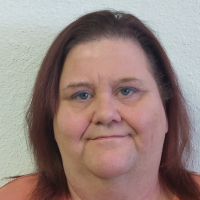



Dr. Ngozi Okose
LPC
Texas - 22 yrs exp




Carolyn Presnall
LCSW, LPC
Texas - 42 yrs exp











How CBT Treats OCD
Cognitive behavioral therapy is a structured, goal-oriented approach that addresses the thoughts and behaviors that maintain obsessive-compulsive patterns. When you work with a CBT clinician for OCD, the focus is on identifying the unhelpful beliefs and rituals that feed anxiety and then changing how you respond to intrusive thoughts and urges. CBT combines careful cognitive work - helping you test and reframe beliefs about risk, responsibility, and certainty - with behavioral techniques that allow you to practice new responses in real situations.
Cognitive Techniques
The cognitive side of CBT helps you examine the meanings you assign to intrusive thoughts and the predictions you make about danger or harm. A therapist will help you notice thinking patterns that escalate distress, such as overestimating threat or conflating thoughts with actions. Rather than trying to eliminate thoughts, cognitive techniques teach you to observe them with less judgment and to evaluate evidence for and against the interpretations that drive compulsive behavior. This shift in perspective can reduce the intensity and frequency of rituals over time.
Behavioral Techniques - Exposure and Response Prevention
Behavioral work typically centers on exposure and response prevention, often abbreviated ERP. In ERP you gradually face feared situations or thoughts in a controlled way while intentionally refraining from performing the rituals that usually reduce anxiety. Repeated practice allows the brain to learn that distress diminishes without ritualized response and that feared outcomes are less likely than anticipated. Your therapist will design exposures that are manageable and tailored to your symptoms, progressing at a pace that balances challenge with achievable gains.
Finding CBT-trained Help for OCD in Texas
When searching for a CBT clinician in Texas you will encounter providers with a range of credentials and specialties. Look for licensed professionals who list CBT and ERP in their treatment approaches, along with experience working with OCD specifically. Many clinicians in urban centers such as Houston, Dallas, and Austin have additional training or certification in evidence-based OCD interventions, and clinic settings often offer supervision or team-based care that can strengthen treatment planning.
Credentials and Training to Look For
Licensure indicators such as LPC, LMFT, PhD, or PsyD demonstrate professional training, but you should also ask about specific CBT education and ERP experience. Therapists who have completed post-graduate workshops, supervision in OCD treatment, or specialty curricula in cognitive behavioral approaches are more likely to apply standard ERP methods consistently. It is reasonable to ask a prospective therapist how often they use ERP, how they tailor exposures, and whether they regularly treat clients with OCD, as these practical details affect the likely match with your needs.
Where to Search - Cities and Practice Settings
Texas offers a variety of practice settings, from private practices in Austin neighborhoods to outpatient clinics and university-affiliated centers in Dallas and Houston. If you live near a major city you may find more clinicians with specialized OCD experience, while smaller communities sometimes rely on telehealth for access to ERP-trained therapists. Consider whether you prefer a clinician who practices in a clinic environment, who offers flexible scheduling for working hours, or who provides therapy remotely so sessions fit into your routine.
What to Expect from Online CBT Sessions for OCD
If you choose online CBT for OCD you will find that many core elements of ERP adapt well to a virtual format. An initial session generally involves a structured assessment of symptoms and daily rituals, a discussion of treatment goals, and an introduction to the rationale behind CBT and ERP. Online work allows your therapist to collaborate with you in the real contexts where exposures will occur, which can be an advantage for designing realistic practice tasks.
Session Structure and Homework
Most CBT sessions last between 45 and 60 minutes and follow a clear agenda. Sessions include reviewing homework, practicing cognitive strategies in the moment, planning exposures, and processing the experience. Homework is central to progress - you will be expected to practice exposures and cognitive exercises between sessions. In online therapy this may involve guided exercises during calls, video or audio assignment options, and the use of worksheets to track responses. Successful online therapy often relies on consistent scheduling, clear communication about technical needs, and a mutually agreed plan for practicing between appointments.
Evidence Supporting CBT for OCD
Research over decades has shown that cognitive behavioral approaches, especially ERP, produce meaningful reductions in OCD symptoms for many people. Clinical guidelines often recommend CBT with ERP as a primary psychological option for treating obsessive-compulsive patterns. In Texas, clinicians trained in these methods draw on the same evidence base, and many community and specialty clinics collect outcome data to monitor progress. While individual results vary, structured CBT provides a transparent framework for making steady improvements and tracking changes over time.
If you are evaluating claims about treatment, consider asking potential therapists about outcome measures they use, how they monitor progress, and typical timelines for improvement. A clinician who uses standardized measures can show you how symptoms change across weeks and months, which helps set realistic expectations and informs any needed adjustments to the plan.
Tips for Choosing the Right CBT Therapist for OCD in Texas
Finding the right therapist is both practical and personal. Start by identifying clinicians who list CBT and ERP as core competencies and who have experience with OCD. Consider logistics such as proximity if you plan to attend in person, or the availability of telehealth if you need remote sessions. Ask about training background, typical caseload, and whether the therapist works with people who share your experiences, such as contamination fears, checking rituals, or intrusive thoughts that feel particularly distressing.
Financial and scheduling compatibility matters as well. Inquire about fees, insurance or reimbursement options, sliding scale availability if that is important to you, and cancellation policies. It is reasonable to schedule a brief consultation call to get a sense of a therapist’s approach and whether you feel comfortable with their style. The therapeutic relationship itself - feeling understood, respected, and challenged when appropriate - plays a major role in how well CBT works for you.
Residents of Houston, Dallas, and Austin often find a wider selection of therapists with specialized OCD training, but skilled clinicians are available throughout the state. If local options are limited, telehealth expands the pool and enables you to match with a therapist whose approach aligns with your goals. When in doubt, prioritize clinicians who emphasize ERP practice, measurable goals, and collaborative planning.
Next Steps
Begin by browsing the therapist profiles in the listings above to compare specialties, training, and availability. Reach out to a few clinicians to ask about their experience with OCD-focused CBT, how they structure ERP, and what an initial treatment plan might look like. With a clear understanding of the approach and a good working relationship, you can take practical steps toward managing OCD symptoms in day-to-day life and building skills that support long-term change.