Find a CBT Therapist for Obsession in Texas
This page lists therapists across Texas who focus on treating obsession using cognitive behavioral therapy (CBT). You will find clinicians who emphasize evidence-based CBT strategies and offer in-person and online options throughout the state. Browse the listings below to compare specialties, approaches, and availability.




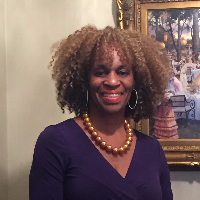
Dr. Ngozi Okose
LPC
Texas - 22 yrs exp




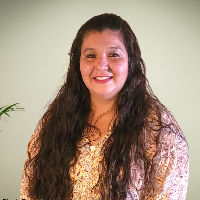
Carolyn Presnall
LCSW, LPC
Texas - 42 yrs exp









How CBT specifically treats obsession
When you seek help for obsession, CBT targets both the patterns of thinking that maintain persistent intrusive thoughts and the behaviors you use to avoid or neutralize them. The approach begins by helping you and your therapist map how certain thoughts trigger anxiety or distress and how the actions you take in response - such as checking, repeating mental rituals, or avoidance - reinforce that cycle. Over time, CBT helps you learn to identify unhelpful thought patterns, test them against reality, and practice new ways of responding that reduce the power of obsessive thoughts.
Cognitive strategies
The cognitive aspect of CBT focuses on how you interpret and respond to intrusive thoughts. Your therapist will guide you to notice thought patterns like overestimation of threat, intolerance of uncertainty, or assumptions that a thought equals intent. Through techniques such as cognitive restructuring, you will practice examining evidence for and against these beliefs and developing more balanced, less reactive interpretations. This does not mean ignoring difficult thoughts; rather, you learn to view them as mental events that do not require immediate action.
Behavioral strategies
On the behavioral side, therapists often use graduated exposure to feared thoughts and situations so you can practice tolerating discomfort without engaging in rituals. Exposure and response prevention - a behavioral method commonly used within CBT - helps you face triggers in a planned, supportive way while resisting compulsive responses. Over repeated, guided exposures, your anxiety tends to decrease and you gain confidence in managing intrusive thoughts without relying on avoidance or neutralizing behaviors.
Finding CBT-trained help for obsession in Texas
Looking for CBT-trained clinicians in Texas involves more than searching by specialty. Start by checking therapist profiles for specific training in cognitive behavioral methods and experience working with obsession-related concerns. Many therapists will list additional training or certifications related to exposure-based work or anxiety disorders. You can also look for experience with particular techniques you find important, such as exposure and response prevention or cognitive restructuring, and reading therapist descriptions can help you understand their typical approach and session structure.
Credentials and experience to consider
When you review profiles, pay attention to licensure and the types of populations the therapist has worked with. Experience with obsession in adults, adolescents, or specific co-occurring challenges can inform whether a therapist is a good fit. It is appropriate to ask prospective therapists about the training they received in CBT, how they structure treatment, and how they measure progress. A therapist who explains practical steps and provides clear examples of how CBT will be applied to obsession can help you form realistic expectations before you begin.
Local options across Texas
Texas offers a wide range of CBT-trained clinicians in urban centers and smaller communities alike. In Houston and Dallas you can often find specialists with extensive experience and additional training in exposure-based work. Austin has a strong community of clinicians who integrate CBT with an emphasis on skill-building and functional outcomes. San Antonio and Fort Worth also host therapists who offer focused CBT treatment for obsession and related anxiety concerns. If you prefer in-person care, these cities provide options for clinic-based work; if you prefer remote sessions, many Texas clinicians provide online CBT across the state.
What to expect from online CBT sessions for obsession
If you choose online CBT, your sessions will follow many of the same principles as in-person work but with added convenience and flexibility. Therapists typically begin with an assessment to understand the nature of your obsessive thoughts, the situations that trigger distress, and the behaviors you use to cope. From there you and your therapist will set collaborative goals and agree on a plan that may include exposure exercises, cognitive techniques, and between-session practice. Online sessions allow you to do exposures in your real-world environment with therapist guidance, which can make homework feel directly applicable to your day-to-day life.
Technology also changes how you and your therapist share materials and track progress. Many clinicians use secure scheduling and document tools, worksheets you can complete electronically, and video sessions for live coaching. Good online care will include clear instructions for doing exposures at home, ways to contact your therapist between sessions when needed, and measures to monitor your response so the treatment can be adjusted. If you live in a more rural part of Texas, online CBT can expand your options and connect you with clinicians who specialize in obsession but are based in a different city.
Evidence supporting CBT for obsession
CBT is one of the most researched psychological approaches for treating persistent intrusive thoughts and related behaviors. Studies have shown that targeted cognitive and behavioral techniques can reduce the distress associated with obsession and help people regain control over how they respond to thoughts. Within clinical practice, therapists in Texas and beyond apply these methods while tailoring the pace and content to each person's needs. When you discuss treatment options, a thoughtful therapist will explain the evidence base in terms you can relate to and discuss realistic outcomes rather than promising a cure.
Tips for choosing the right CBT therapist for obsession in Texas
Choosing a therapist is a personal decision and it helps to balance practical factors with therapeutic fit. Think about what matters most to you - whether you prefer someone who emphasizes structured, skills-based sessions or a clinician who blends supportive elements with CBT techniques. Availability and location may be important if you want in-person sessions in Houston, Dallas, or Austin, while online availability can broaden choices across San Antonio, Fort Worth, and other areas. Language, cultural background, and experience with issues that intersect with obsession - such as anxiety, trauma, or relationship concerns - can also affect how comfortable you feel with a therapist.
Questions to ask when you reach out
When you contact a therapist, consider asking how they typically approach obsession, what CBT techniques they use, and how they evaluate progress. You can inquire about session length, expected frequency, and what kind of homework or practice they assign between sessions. It is reasonable to ask about their experience with exposure-based strategies and what support they offer if exercises provoke strong anxiety. A clear, transparent conversation early on helps you gauge whether the therapist's style, expertise, and logistics align with your needs.
Practical considerations
Insurance coverage, sliding scale options, and session cost are practical concerns you may want to address before committing. If you prefer in-person work, check whether a therapist has office hours convenient to your schedule in major hubs like Houston or Dallas. For online care, confirm that the therapist is licensed to provide services in Texas and discuss how they handle scheduling, cancellations, and contact between sessions. Clear policies and expectations help you focus on your therapeutic work with fewer administrative concerns.
Finding the right CBT therapist for obsession in Texas may take time, but understanding the approach and asking targeted questions can make the process more efficient. Whether you connect with a clinician in Austin for in-person sessions or choose online therapy that reaches across the state, a good CBT provider will work with you to set measurable goals, teach practical skills, and adapt treatment to your pace. Use the listings above to compare clinicians and reach out to one or more therapists to find the fit that feels most supportive for your needs.