Find a CBT Therapist for Gambling in Texas
This page connects you with therapists across Texas who use cognitive behavioral therapy to address gambling-related concerns. Browse clinician profiles below to find a CBT approach and a provider near Houston, Dallas, Austin, San Antonio, or Fort Worth.


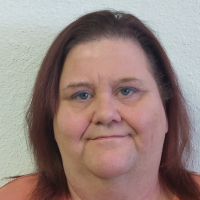



Dr. Ngozi Okose
LPC
Texas - 22 yrs exp

















How CBT Addresses Gambling Behavior
If you are struggling with gambling or noticing that betting, gaming, or wagering is interfering with your daily life, cognitive behavioral therapy can offer a clear, skills-based road map. CBT focuses on the thoughts, feelings, and behaviors that maintain problematic gambling. In therapy you will work with a clinician to identify the thinking patterns that lead to risky wagers - for example, overestimating your control over outcomes or believing a losing streak is about to reverse. By examining those thoughts you learn to test assumptions and to replace high-risk beliefs with more realistic, balanced thinking.
On the behavioral side you will practice strategies that reduce exposure to triggers and strengthen alternative activities. This often includes monitoring your gambling behavior to understand frequency and context, developing coping plans for high-risk situations, and building routines that support financial and emotional recovery. You may also use gradual exposure techniques to confront urges in a controlled way so they lose intensity over time. Because CBT is structured and goal-oriented, you can often see measurable changes in how you respond to triggers within weeks to months.
Understanding the Cognitive and Behavioral Mechanisms
You will explore two linked pathways in CBT - cognition and action. Cognitively, therapy helps you notice distortions such as selective memory for wins, magical thinking about luck, or rationalizations that minimize losses. By testing evidence and reframing those distortions you reduce the internal pressure to gamble. Behaviorally, therapy shifts the environment and habits that support gambling. That can mean altering social routines that involve betting, setting up barriers to immediate access to gambling venues or accounts, and scheduling meaningful alternatives that fulfill the emotional needs that gambling once met.
Therapists trained in CBT often blend cognitive work with practical skill building. You may role-play conversations, rehearse refusal skills, or plan concrete steps to manage money and reduce impulsive spending. Homework assignments are a central feature - these exercises help you apply techniques between sessions so the new patterns become part of everyday life.
Finding CBT-Trained Help for Gambling in Texas
When you begin searching in Texas, look for clinicians who explicitly list cognitive behavioral therapy and gambling-related experience on their profiles. Many therapists who treat gambling also have additional training in compulsive behaviors, impulse control interventions, or addiction-focused CBT adaptations. Licensing in Texas ensures basic professional standards. You can narrow options by searching for providers who note experience working with adults, couples, or families if your situation involves others.
Geography matters when you prefer in-person sessions. Major urban centers in Texas - Houston, Dallas, and Austin - host a broad range of CBT practitioners, including clinicians who work with diverse populations and who can address cultural and socioeconomic factors that influence gambling behavior. If you live outside those metro areas, you may still find suitable clinicians who offer telehealth, or you may choose someone in a nearby city and discuss a hybrid plan that combines occasional in-person meetings with online follow-ups.
What to Expect from Online CBT Sessions for Gambling
If you opt for online CBT, sessions typically look and feel like in-person therapy but with practical differences. You will meet your therapist over video or audio, and sessions maintain a structured format - a check-in, review of homework, skill practice, and planning for the week ahead. Online treatment can make it easier to fit therapy into a busy schedule and can expand your options if specialized CBT providers are not nearby. Because gambling concerns often involve access to funds and online platforms, your therapist will help you set up environmental controls and behavioral strategies that work in your home or digital life.
Expect collaborative goal-setting from the first session. Your therapist will assess patterns of gambling behavior, triggers, and any co-occurring issues such as stress, mood changes, or relationship strain. Based on this assessment you will establish measurable goals - for example, reducing frequency of gambling sessions, limiting time or money spent, or increasing engagement in rewarding activities. Digital tools and worksheets may be used as part of homework to help you track urges, practice cognitive reframing, and monitor progress over time.
Evidence Supporting CBT for Gambling
Research indicates that cognitive behavioral approaches can be effective in reducing gambling-related problems and improving coping skills. Clinical studies and practice guidelines note that CBT helps individuals change the thought patterns and behaviors that perpetuate problem gambling. While outcomes vary depending on individual circumstances, treatment length, and the presence of co-occurring conditions, many people benefit from the structured, skills-based nature of CBT.
In Texas you will find therapists who integrate evidence-based techniques into culturally responsive care. Urban centers such as Houston and Dallas may have clinicians involved in regional research or training networks, while community clinics in other areas often adapt CBT to local needs. When you ask about evidence, a therapist should be able to describe how they measure progress and which CBT techniques they use so you can gauge how well the approach fits your goals.
Choosing the Right CBT Therapist for Gambling in Texas
Finding the right match is more than checking credentials. You should look for a therapist who has both CBT training and experience working with gambling concerns, and who explains their approach clearly. In early conversations ask about typical treatment length, how progress is tracked, and how therapy will fit with any other supports you are using. You should also consider practical factors - whether the clinician offers evening appointments, takes your insurance or offers a fee range you can manage, and whether they provide online sessions if that is important to you.
Think about fit in human terms - you want a clinician who listens and offers a nonjudgmental tone while helping you stay accountable to your goals. If you are in Houston, Dallas, or Austin you may have more options to meet in person and to consult clinicians with specialized gambling treatment experience. If you live in a smaller Texas community, telehealth expands access to that specialized expertise without requiring travel.
Practical Steps to Begin
Before your first appointment gather some basic information to make sessions more focused. Note patterns of gambling, typical triggers, financial impacts, and how gambling affects your relationships and mood. Having this background helps you and your therapist set clear, achievable goals from the start. During initial sessions you will work together to prioritize changes, build immediate coping strategies, and design homework that fits your daily life.
Recovery and management of gambling-related problems is often a gradual process. CBT equips you with durable skills - cognitive reframing, urge management, and behavior change techniques - that can reduce the intensity and frequency of problematic behaviors. Seeking a clinician who offers these evidence-based tools in a setting that suits your schedule and preferences is an important early step. Whether you meet someone in person in San Antonio or Fort Worth or work with a CBT practitioner online from another Texas town, you can find an approach that helps you regain control and pursue healthier patterns over time.