Find a CBT Therapist for Self Esteem in Tennessee
This page connects you with therapists across Tennessee who use cognitive behavioral therapy to address self esteem concerns. Explore clinician profiles below to compare training, treatment focus, and availability in cities like Nashville, Memphis, and Knoxville.
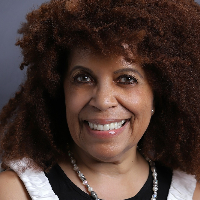









Darlene Wilken
LPC, LPC-MHSP
Tennessee - 8 yrs exp














How CBT addresses self esteem
When you seek CBT for self esteem, the work centers on understanding how thoughts and actions interact to shape how you view yourself. CBT begins by identifying repetitive negative self-evaluations - the automatic thoughts that tend to pop up in stressful situations. You learn to examine those thoughts, test them against evidence, and develop more balanced ways of thinking. This cognitive work reduces the power of critical inner voices and makes room for more accurate self-appraisals.
The behavioral side of CBT complements thinking work by changing patterns of action that maintain low self worth. You will practice new behaviors - such as approaching situations you usually avoid, trying out different communication styles, or scheduling activities that reflect your values - and then observe what happens. Those behavioral experiments provide real-world data that challenges unhelpful beliefs. Over time, the combination of thought changes and new behaviors helps shift your sense of competence and belonging.
Finding CBT-trained help for self esteem in Tennessee
As you look for a clinician, focus on training and practical experience with CBT techniques. Many licensed mental health professionals work with cognitive behavioral approaches, but you may want someone who can point to specialized training or supervised experience using CBT for self-critical thinking and self-image work. When you search, look at clinician profiles to see whether they mention cognitive restructuring, behavioral experiments, or self-esteem focused interventions.
Location matters for in-person care. If you are in a metropolitan area such as Nashville, Memphis, or Knoxville, you may find a wider range of CBT practitioners and specialty clinics. Smaller cities and towns offer skilled clinicians as well, and telehealth can expand options if you live farther from a major center. Consider whether you prefer someone who practices in person near you or a therapist who offers virtual sessions that fit your schedule.
What to expect from online CBT sessions for self esteem
Online CBT sessions follow many of the same steps as in-person therapy but with a few practical differences. Sessions are typically structured and goal-oriented, often lasting 45 to 60 minutes. You and your therapist will set specific targets related to self esteem - for example, reducing self-critical thoughts in social situations or increasing engagement in meaningful activities - and track progress over time.
Homework is a core part of CBT, and in an online format you will usually receive worksheets, thought records, and behavioral experiment plans as digital files. You will be expected to try these between sessions and reflect on results during your meetings. Video sessions make it possible to observe nonverbal cues, practice new skills in role-play, and review materials together. If technology is a concern, ask potential therapists about test calls, backup plans, and whether they offer phone-only sessions when needed.
Evidence supporting CBT for self esteem
CBT has a strong research foundation for treating problems that are closely tied to self-evaluation, such as persistent self-criticism, social anxiety, and depressive thinking. Studies and systematic reviews indicate that cognitive and behavioral strategies can reduce negative self-beliefs and increase adaptive behaviors that support a healthier sense of self. While individual outcomes vary, many people experience measurable improvements in how they view and relate to themselves when they engage in well-structured CBT.
In Tennessee, clinicians often draw from this broader evidence base and adapt techniques to local needs. Whether you are in an urban center or a smaller community, you can ask therapists about the specific studies or manuals that inform their practice. A practitioner who routinely measures progress with validated tools can show you how your symptoms and self-assessments change over time, which helps you decide whether the approach is working for you.
Tips for choosing the right CBT therapist in Tennessee
Start by clarifying what matters most to you - clinical experience with self esteem work, availability for evening appointments, cultural background, or experience with a particular age group. When you contact a therapist, ask about their CBT training, how long they have used CBT for self esteem issues, and what techniques they typically employ. It is reasonable to inquire how they tailor CBT to self-esteem concerns rather than using a one-size-fits-all protocol.
Compatibility is important. You should feel heard and understood during an initial consultation. Pay attention to how the therapist explains CBT concepts and whether their style fits your preferences - some clinicians are highly structured and homework-focused, while others use CBT as a flexible framework combined with other supportive interventions. Ask about session frequency and typical duration of treatment so you can plan practically.
Consider logistics as part of your decision. Verify that the clinician is licensed in Tennessee and ask about fee structures, insurance acceptance, and sliding scale availability if cost is a concern. If you live in or near Nashville, Memphis, or Knoxville, you might have more in-person options; if you live in a rural area, telehealth offers a way to access clinicians who specialize in self-esteem work without long travel.
What to ask during a first call
During an initial phone or video consultation, ask the therapist how they assess self esteem at the start of treatment, what concrete goals they propose, and how they measure progress. You can also ask for examples of typical homework assignments and how they involve you in setting priorities. These questions help you evaluate whether the therapist's approach aligns with how you prefer to work and whether they can offer the level of structure you want.
Local considerations and next steps
If you prefer in-person care, explore practices and clinics in Tennessee's larger cities, where specialization may be more available. In Nashville you may find clinicians with experience applying CBT to career-related confidence and performance concerns. In Memphis, therapists often bring culturally informed approaches to self-esteem work. In Knoxville, clinicians may blend CBT with skills-based training useful for academic or social contexts. Wherever you are located, consider asking about a therapist's experience with clients who share similar backgrounds or life situations.
After you review profiles and conduct a few consultations, give yourself permission to try several sessions before deciding whether a particular therapist is the right fit. CBT tends to be collaborative and time-limited by design, but it also relies on a good working relationship. If you are not making the progress you expect, discuss adjustments - different techniques, more frequent sessions, or a referral to another clinician who specializes in your needs.
Engaging with CBT for self esteem can be a practical way to change the thoughts and actions that keep negative self-views in place. Use the listings on this page to compare clinicians, read about their CBT experience, and reach out for introductory conversations. Taking that first step can help you find an approach and a therapist who support the changes you want to make.