Find a CBT Therapist for Domestic Violence in Tennessee
This page connects you with Cognitive Behavioral Therapy (CBT) clinicians in Tennessee who work with people affected by domestic violence. Explore the listings below to find therapists offering CBT in Nashville, Memphis, Knoxville and other communities across the state.












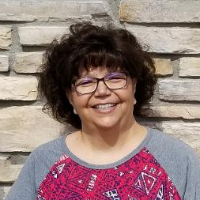



Carla Murray
LPC, LPC-MHSP
Tennessee - 16 yrs exp








How CBT addresses domestic violence
Cognitive Behavioral Therapy focuses on the links between thoughts, feelings and behaviors. When domestic violence is part of a person’s life history or current situation, CBT helps by identifying patterns of thinking that contribute to harmful behaviors or that make it difficult to respond differently. You will work with a clinician to notice automatic thoughts and beliefs that increase stress, shame or anger, and then practice alternative ways of interpreting situations. Over time you learn to replace patterns that escalate conflict with strategies that reduce reactivity and support safer choices.
Beyond changing thought patterns, CBT emphasizes practical behavioral work. That often means rehearsing new responses, practicing communication skills, and gradually testing different ways of coping in real life. For people who have used violence, this can include impulse-management techniques, anger regulation skills, and planning for high-risk moments. For survivors of violence, CBT can focus on building boundaries, increasing problem-solving skills, and learning how to recognize triggering situations. The approach is skill-based, which makes it a good fit if you want structured sessions with measurable progress and concrete tools you can use between appointments.
Cognitive techniques and behavioral strategies
In a typical CBT process you will map out the chain of events that leads to a harmful interaction. You and your therapist will examine the assumptions and beliefs that appear in that chain, and then test those beliefs through experiments or role-play. Behavioral strategies may include paced breathing, grounding techniques, assertive communication practice, and step-by-step exposure to anxiety-provoking situations in a controlled way. The goal is not to erase emotion but to give you alternative skills so emotion does not automatically lead to harmful action.
Finding CBT-trained help for domestic violence in Tennessee
When searching for a CBT clinician in Tennessee, focus on training and experience with both Cognitive Behavioral Therapy and matters related to intimate partner violence or domestic abuse. Many therapists list specialties on their profiles, and you can look for phrases like cognitive restructuring, behavior therapy, trauma-informed CBT, or interventions for anger and relationship patterns. If you live in or near major population centers such as Nashville, Memphis or Knoxville, you may find a wider range of clinicians with specialized CBT training. In smaller cities and rural areas, clinicians often use CBT techniques as part of an integrative approach and can offer effective care tailored to your needs.
Licensing and professional credentials matter, but so does fit. When you contact a clinician, ask about their experience working with domestic violence-related issues, how they adapt CBT for safety planning and risk reduction, and whether they work with couples, individuals, or both. You can also ask about session frequency, expected duration of treatment, and the kinds of between-session practice they recommend. These details help you assess whether a clinician’s style and approach match what you want to accomplish.
What to expect from online CBT sessions for domestic violence
Online CBT sessions follow many of the same principles as in-person work, but they offer some distinct advantages for accessibility and continuity. If you choose virtual sessions, expect structured conversations focused on current problems, homework assignments to practice skills between sessions, and frequent review of progress. Your clinician may use screen sharing to review worksheets, thought records or safety plans, and you will typically agree on clear goals at the outset so you can monitor outcomes over time.
Online work can make it easier to access clinicians in Nashville, Memphis, Knoxville, or elsewhere across Tennessee, especially if local options are limited. It also allows for some flexibility in scheduling and can reduce barriers like transportation or childcare. If you are in a living situation that involves ongoing risk, discuss with your clinician how to maintain safety during remote sessions and what to do if an emergency arises. A clinician trained in domestic violence-informed CBT will raise these questions early and offer practical guidance on managing risk while you work on skills and patterns.
Evidence and outcomes for CBT in domestic violence contexts
CBT is widely studied as an evidence-based approach for addressing patterns of thought and behavior that contribute to conflict, aggression and trauma responses. Research suggests that CBT techniques can reduce anger, improve emotion regulation, and change the thinking patterns associated with repeated harmful interactions. While results vary by individual and by the nature of the violence, many clinicians and studies report measurable improvements in coping skills, communication, and relapse prevention when CBT principles are applied consistently.
In Tennessee, clinicians often draw on these established approaches while adapting them to local needs and resources. Practitioners working in urban centers like Nashville and Memphis may collaborate with community agencies, courts or healthcare providers, while those in more rural areas emphasize flexible delivery models and strong safety planning. Whatever your location, evidence-based CBT gives you a structured framework for addressing behaviors and building alternatives that support healthier relationships.
Tips for choosing the right CBT therapist for domestic violence in Tennessee
Choosing a therapist is a personal decision that depends on your goals, comfort and circumstances. Start by clarifying what you want to achieve with CBT - that might be improving impulse control, coping after an abusive relationship, rebuilding trust, or learning to set and enforce boundaries. Ask prospective clinicians how they adapt CBT for domestic violence concerns and what specific interventions they use. It is reasonable to ask about their experience with safety planning, collaboration with local resources, and any court-related documentation they have provided in the past if that is relevant to your situation.
Consider practical matters as well. If you live near Knoxville, Chattanooga or Murfreesboro, check whether a clinician offers in-person sessions in addition to online work. If you require evening or weekend appointments because of work or caregiving, confirm scheduling flexibility. You may want a therapist who has worked with people from similar backgrounds or who understands the cultural context of your community. Trust your sense of fit during an initial consultation - feeling understood and respected is an important part of making progress.
Working with systems in Tennessee
Therapists in Tennessee often coordinate with local support services, legal advocates and healthcare providers when domestic violence is involved. This collaboration can help you access resources for housing, safety planning, and legal information when needed. If you are navigating systems like protection orders or family court, ask how a clinician typically collaborates with attorneys or advocacy organizations in your area. These connections can make it easier to translate therapeutic gains into practical, everyday changes in your environment.
Next steps and considerations
If you are ready to begin, use the listings on this page to identify CBT clinicians in Tennessee who note experience with domestic violence-related work. Reach out for an initial consultation to discuss your goals, the clinician’s CBT approach, and the logistics of session frequency and format. Remember that progress often comes incrementally - CBT emphasizes skill-building and practice, so you should expect concrete exercises and regular review of how those exercises are helping you move toward your goals. Whether you live in Nashville, Memphis, Knoxville or elsewhere in Tennessee, finding a clinician whose approach and experience match your needs can help you take the next step toward healthier patterns and more effective coping.
If immediate danger is present, prioritize your physical safety and contact local emergency services or community advocates who can assist with urgent planning and relocation. For non-emergency support and longer-term work, CBT offers a structured, practical path that many people find helpful in addressing the cognitive and behavioral patterns linked to domestic violence. Use the directory below to connect with clinicians who practice CBT and begin a conversation about what the next phase of change might look like for you.