Find a CBT Therapist for Stress & Anxiety in South Carolina
This page connects you with therapists across South Carolina who use cognitive behavioral therapy to treat stress and anxiety. Browse the listings below to review therapist profiles, treatment approaches, and contact options for CBT care in your area.



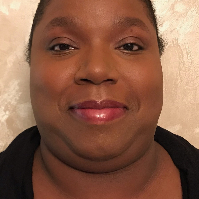
Norma Robinson
LPC
South Carolina - 4 yrs exp



















How cognitive behavioral therapy addresses stress and anxiety
Cognitive behavioral therapy, or CBT, focuses on the link between your thoughts, feelings, and behaviors. When you are managing stress or anxiety you may notice patterns of thinking that intensify worry or avoidance behaviors that temporarily reduce discomfort but reinforce long-term anxiety. CBT helps you identify those patterns and learn practical skills to change them. In therapy you will work with a clinician to notice automatic thoughts that increase tension and to test those thoughts with realistic evidence. Over time, this practice can reduce the frequency and intensity of anxious reactions and help you regain control over daily activities.
Behavioral techniques are an equally important part of CBT. You will learn how to gradually face avoided situations, manage physical symptoms with relaxation and breathing strategies, and build routines that reduce stress vulnerability. Rather than focusing only on insight, CBT emphasizes active practice - homework between sessions, graded exposure to feared situations, and rehearsal of new skills so you can apply them outside the therapy room. Many people find the clear structure and measurable goals of CBT especially helpful when anxiety feels overwhelming.
Cognitive strategies you will use
In sessions you will learn to identify cognitive distortions such as catastrophizing, all-or-nothing thinking, and overgeneralization. Your therapist will guide you to evaluate these thoughts and replace them with balanced alternatives that better reflect the situation. Tools like thought records help you track when anxious thinking arises and test how accurate those thoughts are. Developing this habit helps reduce reactivity and gives you more choice about how to respond to stressors.
Behavioral strategies you will practice
Behavioral work in CBT often includes exposure exercises to reduce avoidance, activity scheduling to counteract withdrawal, and skills training to handle physiological symptoms. You will gradually increase your engagement with activities that matter to you while learning to tolerate discomfort in a controlled way. This approach builds confidence and breaks the cycle where avoidance strengthens anxiety over time.
Finding CBT-trained help in South Carolina
When you search for a CBT therapist in South Carolina, look for clinicians who explicitly list cognitive behavioral therapy among their primary approaches. Many therapists combine CBT with complementary methods, but those who emphasize CBT will typically describe specific techniques like cognitive restructuring, exposure therapy, or behavioral activation. You can narrow your search by location, specialty, and whether a therapist has experience with stress and anxiety related to work, relationships, health concerns, or life transitions.
South Carolina communities have practitioners serving urban and suburban areas alike. If you are in or near Charleston, you may find therapists experienced with performance anxiety and coastal lifestyle stressors. In Columbia, clinicians often work with students and professionals navigating career and family demands. Greenville providers may emphasize practical skills for managing job stress and community pressures. Even if you live in a small town, many therapists in the state offer telehealth options that extend access to CBT-trained clinicians.
What to expect from online CBT sessions for stress and anxiety
Online CBT sessions follow much of the same structure as in-person therapy. You will typically begin with an intake conversation to describe what you are experiencing, set goals for treatment, and agree on a plan. Sessions often last 45 to 60 minutes and include time for reviewing homework, learning new skills, and planning practice between appointments. Your therapist may use shared worksheets, screen-sharing to demonstrate techniques, and guided exercises that you can do live during the session.
One advantage of online therapy is convenience - you can meet from home or another quiet location without travel time. To get the most from online CBT, choose a comfortable, interruption-free area and have a notebook or electronic document ready to record exercises and homework. Many therapists will assign short daily practices to build skills, so expect to spend a small amount of time outside sessions applying what you learn. If you have concerns about using technology, most clinicians will guide you through the platform and make the technical side straightforward so you can focus on the work.
Evidence and outcomes for CBT in treating stress and anxiety
CBT is one of the most studied psychological approaches for anxiety-related concerns. Research across diverse populations has shown that CBT can help people reduce worry, decrease avoidance behaviors, and improve coping in daily life. While individual results vary, many people report meaningful improvements after structured CBT, especially when they actively engage in the homework and practice components that are central to the approach. Local therapists in South Carolina draw on this evidence base to tailor protocols to each person’s needs, integrating exposure work or cognitive restructuring depending on the type of anxiety.
It is reasonable to expect a collaborative process in which you and your therapist measure progress and adapt techniques. Some programs use brief, focused courses of CBT while others offer longer-term support that addresses co-occurring issues such as stress from work or relationship strain. Discussing expected timelines and progress measures with your therapist can help set realistic goals and keep treatment moving forward.
Tips for choosing the right CBT therapist in South Carolina
Begin by considering practical factors - location, availability, insurance or payment options, and whether the clinician offers in-person sessions near you or telehealth across the state. Next, look at clinical focus and experience. Some therapists emphasize exposure-based techniques for panic or phobia, while others specialize in generalized anxiety and stress management. Reading profiles can help you find someone who describes the approaches you prefer and populations they have worked with.
Fit matters. You should feel comfortable discussing stressful thoughts and behaviors and confident that the therapist respects your goals and cultural background. Many therapists will offer an initial consultation so you can ask about their CBT training, how they structure sessions, and what homework they assign. Asking about measurement - how they track progress and adjust plans - can also help you choose a therapist who uses an outcome-focused approach.
Consider practical local factors as well. If you travel frequently between cities, find a therapist whose schedule and availability match your lifestyle. If you live near Myrtle Beach or regularly spend time there seasonally, check whether therapists offer flexible options that accommodate those patterns. In larger cities like Charleston and Columbia you may find clinicians with specialized expertise in academic or workplace stress, while in Greenville you might find providers experienced in community-based resources and resilience-building strategies.
Preparing for your first CBT sessions
Before your first appointment, take time to clarify what you want to change and what a successful outcome would look like for you. Writing down recent situations that trigger stress or anxiety and noting how you respond can give your therapist useful information. Be ready to discuss your history, current routines, and any coping strategies you already use. Expect to collaborate on measurable goals and to leave sessions with a small set of practices to try between appointments.
Starting therapy is a step toward practical change. CBT gives you tools that you can practice and refine, and pairing those techniques with a therapist who understands your needs in South Carolina can make the process more effective. Whether you live in an urban center or a smaller community, finding a CBT clinician who matches your expectations and communicates clearly about the treatment plan will help you move forward with managing stress and anxiety.