Find a CBT Therapist for Sleeping Disorders in South Carolina
On this page you will find therapists in South Carolina who use cognitive behavioral therapy to treat sleeping disorders. Browse listings to compare clinicians, locations, and online options that fit your needs.
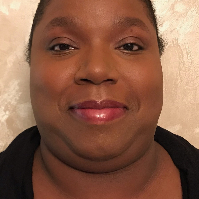
Norma Robinson
LPC
South Carolina - 4 yrs exp
















How CBT specifically treats sleeping disorders
Cognitive behavioral therapy for sleeping disorders focuses on changing the thoughts and habits that keep sleep problems going. Rather than treating symptoms alone, CBT addresses the mental patterns that increase worry about sleep and the behaviors that unintentionally reinforce wakefulness. You work with a therapist to identify unhelpful beliefs about sleep, such as exaggerated expectations about the number of hours you must get, and to test and replace those beliefs with more realistic perspectives. At the same time, you adjust behaviors that disrupt the natural sleep-wake cycle, such as irregular sleep times, excessive time in bed while awake, and evening activities that stimulate rather than relax you.
The approach is skills-based and collaborative. Your therapist will guide you through structured techniques that often include monitoring your sleep, shifting bedtime habits, and practicing cognitive restructuring to reduce bedtime rumination. Over time, these changes reduce the mental and behavioral drivers of sleep difficulty, helping you re-establish a healthier rhythm of sleep and daytime functioning.
Cognitive mechanisms
The cognitive part of CBT helps you notice thinking patterns that make sleep worse. Worry, catastrophic predictions, and fixed rules about sleep can increase arousal and prolong time awake. In session you learn to examine the evidence for these thoughts, to test assumptions with small experiments, and to replace rigid rules with flexible strategies. This reduces the anxiety that often surrounds trying to fall asleep and can lower the physiological activation that interferes with rest.
Behavioral mechanisms
Behavioral techniques aim to strengthen the connection between bed and sleep and to stabilize your internal clock. Common methods include adjusting the amount of time spent in bed to increase sleep drive, establishing consistent wake times to anchor your circadian rhythm, and removing stimulating activities from the bedroom. Over time, these changes make it easier for your body to fall asleep and to stay asleep, because the cues that once kept you awake are replaced by cues that promote rest.
Finding CBT-trained help for sleeping disorders in South Carolina
When you search for a CBT therapist in South Carolina, look for clinicians who list training or specialization in cognitive behavioral approaches to sleep. Many licensed mental health professionals and psychologists have additional training in CBT for insomnia and related conditions. You can find therapists who see clients in person in cities like Charleston, Columbia, Greenville, and Myrtle Beach as well as clinicians who offer remote sessions statewide. It helps to read therapist profiles to learn about their specific experience with sleep-related protocols and to note whether they emphasize behavioral strategies, cognitive work, or a blended approach.
Licensing varies by profession, so you may see psychologists, licensed professional counselors, and licensed clinical social workers offering CBT for sleep. Ask about certifications or coursework in behavioral sleep medicine or CBT for insomnia when you contact a clinician. That information can give you confidence that the clinician uses evidence-informed techniques rather than only general talk therapy.
What to expect from online CBT sessions for sleeping disorders
Online CBT sessions follow the same core principles as in-person work but offer extra flexibility that many people appreciate. If you opt for remote treatment, you can meet with a therapist from anywhere in South Carolina - whether you live near the coast in Charleston or inland in Columbia. Sessions typically begin with an assessment of your sleep patterns, daytime functioning, and any medical or medication factors that might influence sleep. Your therapist will ask about your bedtime routine, caffeine and alcohol use, stressors, and past attempts to change sleep habits.
After assessment, you and your therapist develop a focused plan. Remote sessions often include homework between meetings, such as keeping a sleep diary, practicing behavioral strategies, and using cognitive techniques to challenge unhelpful thoughts. Therapists may use screen sharing to review sleep logs and to teach relaxation exercises. Many people find online work especially convenient if they balance shift work, caregiving, or travel, because it reduces the need to commute and lets you practice techniques in your home environment.
Evidence supporting CBT for sleeping disorders in South Carolina
Across clinical settings nationally and regionally, cognitive behavioral approaches are widely regarded as an effective, nonpharmacological option for many people with persistent sleep problems. Research and clinical practice have shown that targeted CBT techniques can reduce time awake at night and lessen the worry and frustration that often accompany sleep difficulty. In South Carolina, clinicians practicing in university clinics, hospitals, and private practices apply these methods, and you can often find programs and providers who bring research-informed CBT methods to community care. While individual results vary, many people experience meaningful improvements in sleep quality and daytime functioning after a course of CBT-focused treatment.
If you are exploring treatment in South Carolina, consider reaching out to providers in different settings to hear how they apply CBT to sleep issues. Talking to a therapist about the evidence and how it relates to your situation can help you set realistic expectations and plan a path forward that aligns with your goals.
Tips for choosing the right CBT therapist for sleeping disorders in South Carolina
Choosing a therapist is a personal decision, and a few practical steps can help you find a good fit. Start by checking clinician profiles for explicit mention of CBT for sleep or behavioral sleep medicine training. When you contact a therapist, ask about their approach to treating sleep problems, the typical length of sessions, and whether they provide homework or sleep logs to track progress. It is reasonable to ask how they measure change and what a typical treatment timeline looks like, because this helps you understand whether their expectations match yours.
Consider location and availability. If you prefer in-person work, look for clinicians near you in Charleston, Columbia, Greenville, or other South Carolina communities. If you need more scheduling flexibility, explore therapists who offer online appointments across the state. Pay attention to practical details such as insurance acceptance, sliding scale options, and the clinician's policy on session cancellations, because these factors affect how easily you can stay engaged in treatment.
Trust and rapport matter. In early sessions, notice whether the therapist listens to your specific concerns about sleep, explains techniques clearly, and offers practical steps you can try between meetings. If a clinician suggests strategies that feel unrealistic or too rigid for your life, bring that up - a collaborative therapist will adapt methods to fit your routine and preferences. You may try a few different clinicians before finding the one whose style and approach feel right.
Setting goals and next steps
Before beginning CBT for sleep, think about what you hope to change. Goals can range from falling asleep faster to reducing nighttime awakenings or feeling more refreshed during the day. Discuss these goals with a therapist so you can agree on measurable milestones and a realistic timeline. Many people start to notice small improvements within a few weeks of consistent practice, while deeper shifts often take longer as new habits and thoughts take hold.
If you are ready to explore CBT for sleeping disorders in South Carolina, start by reviewing the listings above and reaching out to clinicians whose profiles match your needs. Whether you live near the historic streets of Charleston, the state capital of Columbia, the growing metro of Greenville, or elsewhere in the state, you can find CBT-oriented options that fit your schedule and preferences. Taking the first step to inquire is often the most important move toward improving your sleep and daytime wellbeing.