Find a CBT Therapist for Self Esteem in South Carolina
This page lists therapists across South Carolina who use cognitive behavioral therapy to address low self esteem and related patterns. Review practitioner profiles below to compare CBT approach, experience, and availability in your area.


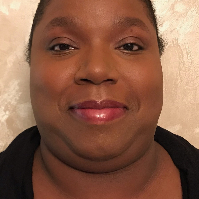
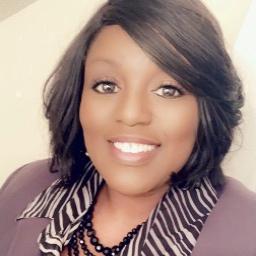
Norma Robinson
LPC
South Carolina - 4 yrs exp











How CBT addresses issues with self esteem
If you are struggling with self esteem, CBT helps by identifying the thoughts and behaviors that keep negative self-beliefs in place. The approach starts with mapping the recurring patterns - the automatic judgments you make about yourself, the mental filters that magnify flaws, and the behaviors that reinforce feelings of inadequacy. Through guided exploration in sessions you learn to spot those automatic thoughts as they arise, to test their accuracy, and to develop alternative, more balanced ways of interpreting your experiences.
Cognitive techniques center on examining evidence for and against a thought, generating more realistic perspectives, and practicing self-compassionate internal dialogue. Behavioral techniques complement this work by creating intentional opportunities to challenge avoidance and prove new beliefs in the real world. You might design small experiments that test assumptions about failure, role-play social situations to build confidence, or set graded tasks that allow you to accumulate evidence of competence. Over time the combination of changing thought patterns and reinforcing new behaviors supports more stable improvements in how you view yourself.
The interplay of thought and action
CBT treats self esteem as a process rather than a fixed trait. When you change the way you interpret setbacks, and when you add actions that contradict old negative beliefs, the two domains - cognition and behavior - begin to shift together. This means progress often shows up as both calmer internal dialogue and practical changes in how you engage with work, relationships, or hobbies. Therapists trained in CBT will help you build a toolkit you can use outside sessions so gains continue after therapy ends.
Finding CBT-trained help for self esteem in South Carolina
Searching for a therapist who emphasizes CBT starts with looking for clinicians who list cognitive behavioral therapy among their primary approaches and who describe experience treating self esteem concerns. In South Carolina you can find practitioners working in a range of settings - private practices, community clinics, and university-affiliated programs - in cities such as Charleston, Columbia, and Greenville. If you live near the coast, therapists in areas around Myrtle Beach may offer flexible scheduling that fits seasonal work patterns.
When you review listings, consider whether a therapist mentions specific CBT-informed techniques like cognitive restructuring, behavioral experiments, or schema work. Some clinicians combine CBT with complementary methods to address underlying issues such as perfectionism, social anxiety, or negative body image. Pay attention to their stated population focus - adults, adolescents, couples - so you can match their expertise to your needs.
What to expect from online CBT sessions for self esteem
Online CBT sessions follow many of the same steps as in-person work but with the convenience of meeting from your home or another comfortable environment. You can expect an initial assessment where the therapist asks about patterns, triggers, and your history so they can formulate a CBT plan tailored to your goals. Early sessions usually involve identifying core negative beliefs, tracking automatic thoughts, and agreeing on measurable goals for therapy.
Homework is a central feature of CBT and remains so in online work. Your therapist will likely assign short, structured tasks between sessions such as thought records, behavioral experiments, or graded exposure exercises. These assignments are designed to be practical and manageable so you can integrate learning into daily life. Many therapists also use shared digital tools or worksheets during sessions so you can collaborate in real time even when you are not physically together.
Online sessions also make it easier to maintain continuity if you move within the state or travel for work. If you live in a smaller town, virtual therapy can connect you with clinicians in Charleston or Columbia whose expertise you would not otherwise access locally. Make sure to check whether a therapist is licensed to practice in South Carolina and to discuss logistical details like session length, platform preferences, and payment options before you begin.
Evidence supporting CBT for self esteem in South Carolina
CBT has a substantial research base demonstrating benefits for self esteem and related conditions. In practice, therapists in South Carolina apply these evidence-based methods in community mental health centers, academic training clinics, and private practices. Local clinicians often stay informed about developments in CBT through professional networks, continuing education, and partnerships with regional training programs, which helps ensure that interventions align with current findings.
You can look for therapists who reference outcome measures or who routinely track progress, as this indicates a commitment to evidence-informed care. While individual results vary, many people report clearer thinking about personal strengths, reduced self-critical patterns, and increased willingness to take on new challenges after a course of CBT. If research language is important to you, you can ask prospective therapists how they measure change and whether they use standardized tools to monitor self esteem over time.
Tips for choosing the right CBT therapist in South Carolina
Choosing a therapist is a personal decision and you should feel comfortable with both their style and their approach. Start by clarifying what you want to work on and what a successful outcome would look like for you. When you contact a therapist, ask about their training in cognitive behavioral therapy, how they integrate behavioral experiments into treatment, and how they adapt CBT techniques for issues like low self esteem. Inquire about their experience with your age group and any cultural or identity considerations that matter to you.
Practical factors also matter. Consider location and scheduling - whether you prefer sessions in an office in Charleston, an evening appointment with a clinician in Greenville, or virtual sessions that fit a Columbia commute. Discuss fees, insurance coverage, and whether the therapist offers a sliding scale or alternative payment plans. It is reasonable to ask for a brief phone consultation to gauge whether their communication style and pace feel like a good match.
Trust your sense of fit after a few sessions. CBT tends to be structured and goal-oriented, so you should notice a clear focus on identifying patterns, setting small experiments, and reviewing progress. If the approach does not feel helpful, it is appropriate to discuss adjustments with your therapist or to seek another clinician whose methods align more closely with your preferences.
Making therapy part of your life in South Carolina
Engaging in CBT for self esteem is an active process that asks you to practice new ways of thinking and behaving. In South Carolina you can weave therapy work into everyday routines - using practice exercises between sessions, seeking opportunities in social and work settings to test new beliefs, and connecting with local groups or activities that reinforce positive identity and competence. Whether you are meeting with a therapist in-person in Charleston or working online with a clinician based in Columbia, consistent practice and honest reflection tend to produce the most meaningful changes.
If you are ready to explore CBT for self esteem, start by reviewing the therapist profiles on this page and reach out to those whose descriptions resonate with your goals. A short conversation can clarify whether their approach suits you and how they would structure therapy to support lasting improvements in how you see yourself.