Find a CBT Therapist for Relationship in South Carolina
This page connects you with Cognitive Behavioral Therapy (CBT) clinicians in South Carolina who focus on relationship concerns. Browse therapist profiles below to compare training, approaches, and availability so you can take the next step.



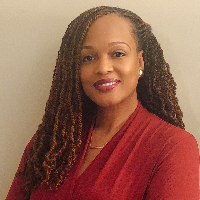
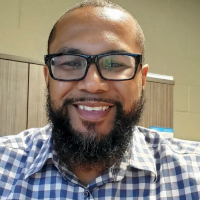
Lauren Pointer
LISW-CP
South Carolina - 7 yrs exp
















How CBT addresses relationship concerns
Cognitive Behavioral Therapy approaches relationship difficulties by helping you identify and change the thinking and behavior patterns that keep problems active. In relationships, recurring conflicts often reflect shared interpretations, automatic thoughts, and interactional habits that push partners into negative cycles. CBT helps you and your partner notice the mental scripts and assumptions - for example, beliefs about rejection or fairness - that shape how you respond in emotionally charged moments. By clarifying those thoughts and testing them against real-world evidence, you can reduce reactive patterns and open space for different, more adaptive behaviors.
Cognitive work: noticing and reframing thoughts
In therapy you will learn to recognize the specific thoughts that fuel conflict, such as jumping to conclusions about a partner's intentions or overgeneralizing from a single interaction. Your therapist will guide you in evaluating those thoughts using calm, evidence-focused techniques. Rather than simply arguing about who is right, CBT teaches you to examine the accuracy and helpfulness of thoughts and to generate alternative ways of viewing situations. This process often reduces intense emotions and allows conversations to shift from blame to problem solving.
Behavioral work: changing patterns through practice
Changes in thinking are reinforced by changes in behavior. CBT emphasizes actionable steps you can practice between sessions. That may include guided communication exercises, structured problem-solving tasks, or behavioral experiments that test assumptions you hold about the relationship. Therapists often assign homework so you and your partner can trial new ways of relating and then bring observations back to the next session. Over time, repeated practice helps new patterns become more automatic and less dependent on willpower alone.
Finding CBT-trained relationship help in South Carolina
When you look for a therapist in South Carolina, consider both formal CBT training and hands-on experience working with relationship issues. Many clinicians in Charleston, Columbia, and Greenville list CBT-informed approaches on their profiles, but training varies in depth. You can ask prospective therapists about specific CBT certifications or post-graduate training, how long they have used CBT with couples or individuals addressing relationship concerns, and whether they integrate skills work with communication-focused interventions. Licensure credentials such as LCSW, LPC, LMFT, or PhD indicate clinical training, and clinicians often describe their theoretical orientation and typical clients on their public profiles.
Geography can shape your options. Urban areas like Charleston and Columbia tend to offer more in-person CBT specialists who focus on relationships, while Greenville and coastal communities may have clinicians who balance in-person and virtual work. If you live outside a metropolitan area, online sessions can expand your access to clinicians who have specific CBT training in relationship-focused care.
What to expect from online CBT sessions for relationship work
Online CBT sessions for relationship concerns closely resemble in-person work in structure and goals. Sessions commonly last 45 to 60 minutes and include a mix of review, skills practice, and planning for between-session exercises. If you and a partner attend together, the therapist may guide structured communication practices in-session so you can try new ways of speaking and responding while the therapist offers observation and coaching. Many therapists also offer single-partner sessions to address individual patterns that affect the relationship.
Before you begin, ask how the therapist structures online appointments, including how they handle session length, scheduling, and tools for sharing worksheets or videos. Ensure you can participate from a comfortable environment that minimizes interruptions. Therapists often use guided worksheets, recorded role-plays, and screensharing to facilitate cognitive restructuring and behavioral experiments across distances. Expectations around homework and practice will be the same online as in person - the therapist will ask that you try techniques between sessions to make steady progress.
Evidence base and applicability in South Carolina settings
Cognitive Behavioral Therapy is one of the most widely studied approaches for addressing relationship distress and related emotional difficulties. Research shows that CBT techniques, when tailored to relationship issues, can help people improve communication, reduce negative interaction patterns, and increase problem-solving skills. In clinical practice across South Carolina, therapists adapt these techniques to fit local cultural norms and the realities of families and couples in urban and rural communities alike.
Whether you live near the historic districts of Charleston or in a neighborhood outside Columbia, local clinicians typically draw on the same evidence-based principles - identifying thoughts and behaviors that maintain problems, testing new responses, and reinforcing positive changes over time. Outcomes depend on factors such as the level of commitment to practice, the fit between therapist and client, and how early issues are addressed, so open communication about goals and expectations is important from the start.
Choosing the right CBT therapist for your relationship
Choosing a therapist is a personal decision that balances training, approach, and fit. Start by clarifying what you want from therapy - whether you aim to reduce frequent arguments, rebuild trust, improve intimacy, or manage stress that affects the relationship. Look for clinicians who explicitly describe experience with relationship-focused CBT and ask about examples of techniques they commonly use. You can ask how they balance work with couples versus individuals and whether they offer flexible formats for both partners to participate.
Practical considerations include whether the therapist offers evening or weekend appointments, accepts your insurance, or has a sliding scale. Many therapists in South Carolina list their availability for telehealth, which can be useful if you and your partner have different schedules or live apart. Also consider cultural fit: therapists who understand the local community and your background are often better positioned to tailor interventions in meaningful ways.
When you reach out for a consultation, listen for a therapist who explains CBT techniques clearly and invites questions. A good initial conversation will give you a sense of how they collaborate with clients, how they measure progress, and how long they expect therapy to continue based on your goals. Trust your impression of how well you and your partner feel heard and whether the proposed plan feels practical and relevant to your daily life.
Getting started and next steps
Once you identify a few therapists who use CBT for relationship concerns, contact them to ask about initial sessions, fees, and how they structure work with couples. If you are in a city like Greenville or on the coast near Myrtle Beach, you may be able to find clinicians who combine in-person and online options. If you prefer remote work, focus on therapists who describe clear plans for online skills practice and homework support. Expect progress to build gradually as new thinking and behavior patterns get practiced and refined.
CBT can offer a practical roadmap if you want to change the interactional habits that keep you stuck. Use the listings above to compare clinician training, specialties, and session formats, and reach out to schedule a consultation that helps you decide on the best fit. Taking that first step can open a path toward clearer communication and more intentional ways of relating to each other in your day-to-day life.