Find a CBT Therapist for Panic Disorder and Panic Attacks in South Carolina
This page lists therapists across South Carolina who use cognitive behavioral therapy to treat panic disorder and panic attacks. Browse profiles below to compare approaches, availability, and locations across the state.

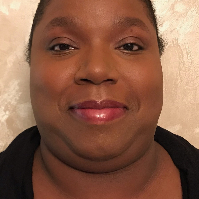
Norma Robinson
LPC
South Carolina - 4 yrs exp






Rodrecus Atkinson
LPC
South Carolina - 11 yrs exp



Catherine Mishoe
LPC
South Carolina - 16 yrs exp









How CBT treats panic disorder and panic attacks
Cognitive behavioral therapy, or CBT, approaches panic disorder by helping you change how you think about and respond to the physical sensations and situations that trigger panic. At its core, CBT focuses on two interacting elements - the cognitive side, which addresses the thoughts and interpretations that amplify fear, and the behavioral side, which addresses the actions that maintain anxiety over time. In sessions you learn to notice automatic thoughts that suggest imminent danger when your heart races or you feel lightheaded, and you practice questioning and reframing those thoughts so they have less power to trigger intense fear.
On the behavioral side, CBT uses gradual, controlled exposure to the sensations and situations you tend to avoid. That may include intentionally simulating certain physical sensations in a therapist-guided exercise so you can learn that the sensations are uncomfortable but not harmful. It may also include stepping into situations you have been avoiding, such as crowded places or driving, in a planned and supported way so that your fear response decreases. Over time, these cognitive and behavioral techniques work together to reduce the frequency and intensity of panic attacks and to restore your confidence in managing symptoms when they arise.
Finding CBT-trained help for panic disorder in South Carolina
When you look for a therapist in South Carolina, you want someone who uses CBT regularly and who has experience treating panic disorder specifically. Therapists who emphasize evidence-based cognitive and behavioral methods often describe their training in CBT, exposure therapy, or anxiety-focused treatment on their profiles. Many clinicians also list specific techniques they use, such as cognitive restructuring, interoceptive exposure, and behavioral experiments, which can help you decide whether their style fits your needs.
Where you search can shape the kinds of options you find. Urban centers like Charleston, Columbia, and Greenville tend to offer wider clinic choices and more therapists who specialize in CBT for anxiety, while coastal areas such as Myrtle Beach may provide seasonal variations in availability. University-affiliated clinics and psychology training programs in the state sometimes offer CBT-informed treatment at lower fees, and private practices often list insurance participation and sliding scale options. Consider whether you prefer weekly in-person sessions, hybrid care, or telehealth, since many South Carolina therapists offer both clinic-based and remote appointments to increase accessibility.
Questions to ask when you contact a therapist
When you reach out, you can ask how often they use CBT for panic-related concerns, how they structure sessions, and what a typical course of treatment looks like. You may want to know whether they include exposure exercises and whether homework between sessions is a regular part of care. Asking about their experience with panic disorder and the kinds of outcomes other clients have experienced can help you form realistic expectations and decide who feels like the best fit.
What to expect from online CBT sessions for panic disorder and panic attacks
If you choose online CBT, sessions usually mirror in-person work in many important ways. You can expect focused, time-limited sessions that include collaborative problem solving, real-time practice of coping strategies, and planning for exercises you do outside of the session. Your therapist may guide you through breathing and grounding techniques, coach you during interoceptive exercises, and help you create graded exposure hierarchies for situations you avoid. Technology enables therapists to use shared worksheets, screen-share psychoeducation materials, and assign digital homework that supports skill learning between meetings.
Online therapy also gives you flexibility if you live outside a major city, commute frequently, or prefer the convenience of meeting from home. Make sure your internet connection and device support stable video calls, and choose a quiet, comfortable environment where you can focus on the work without interruptions. Discuss privacy concerns and session boundaries with your therapist so you both understand how to handle emergencies, cancellations, and record keeping in a telehealth context.
Evidence and outcomes for CBT in panic disorder
CBT is widely considered an evidence-based approach for panic disorder and panic attacks. Research across clinical settings has shown that cognitive restructuring and exposure-based strategies reduce panic symptoms, lower avoidance, and improve day-to-day functioning. In South Carolina, therapists trained in CBT draw on these widely accepted techniques and adapt them to individual circumstances, including cultural and regional factors that matter in treatment. Local clinics and university programs often integrate outcome monitoring, which means you and your therapist track symptom changes over time to guide treatment decisions and adjust strategies as needed.
Outcomes improve when you and your therapist set clear goals, commit to practice between sessions, and use structured methods to measure progress. Regular review of what helps and what does not helps refine the approach so it aligns with your lifestyle, responsibilities, and personal strengths. Many people find that after a course of CBT they are better able to manage bodily sensations, face previously avoided situations, and navigate stress without panic spirals overriding daily life.
Choosing the right CBT therapist in South Carolina
Choosing a therapist is a personal decision shaped by practical considerations and the therapeutic relationship. Think about logistics such as location, availability, fees, and whether the therapist accepts your insurance. If you live near Charleston, Columbia, or Greenville, you may have more options for in-person work and specialty clinics. If you live farther from urban centers, online therapy can expand your choices and connect you with clinicians who specialize in panic disorder regardless of where they are based.
Consider how the therapist communicates in initial contacts. You want someone who explains CBT techniques clearly and who collaborates with you to create a treatment plan that feels manageable. Ask about the typical length of treatment and how they evaluate progress. If you have cultural, language, or accessibility needs, bring those up early so you can find a therapist whose practice aligns with your background. Trust your sense of fit - when you feel heard and understood, you are more likely to engage consistently with the exercises that drive change.
Practical steps as you begin
Start by identifying a few therapists whose profiles mention CBT and panic disorder experience. Reach out with a short message describing your goals and asking about approach and availability. Plan an initial consultation to see how you connect and to discuss practicalities like session frequency and homework expectations. Be prepared to try a few sessions before making a decision - it is reasonable to expect some adjustment as you and the therapist find the right rhythm and strategies for your situation.
Living with panic and moving forward with CBT
If panic attacks have limited your activities or made certain places feel threatening, CBT can provide skills to reduce their impact and expand your options. Therapy is collaborative work - you bring your lived experience and motivation, and the therapist brings structured methods and professional judgment. Across South Carolina, from coastal towns to inland cities, CBT-trained clinicians are available to help you build practical tools, test assumptions, and gradually reclaim situations that feel difficult now.
As you explore listings and schedule consultations, keep in mind that progress often comes through small, repeatable steps. With focused practice, clear goals, and a therapist who uses CBT techniques tailored to your needs, many people find they regain a sense of control and confidence. If you are ready to start, use the profiles on this page to compare clinicians, read about their approaches, and reach out to set up an introductory appointment that fits your schedule and preferences.