Find a CBT Therapist for Mood Disorders in South Carolina
This page features therapists in South Carolina who use cognitive behavioral therapy (CBT) to address mood disorders. Explore listings for practitioners offering CBT in cities like Charleston, Columbia, Greenville and beyond, and browse the profiles below to find a clinician who fits your needs.

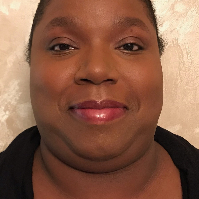
Norma Robinson
LPC
South Carolina - 4 yrs exp

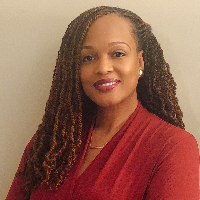
Lauren Pointer
LISW-CP
South Carolina - 7 yrs exp





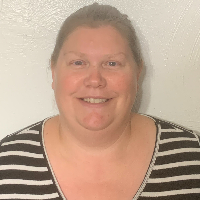

Rodrecus Atkinson
LPC
South Carolina - 11 yrs exp













How CBT Approaches Mood Disorders
Cognitive behavioral therapy focuses on the relationship between thoughts, feelings and actions. When you are experiencing a depressive or mood-related episode, patterns of negative thinking often interact with avoidance or inactivity in ways that can maintain or deepen low mood. CBT helps you identify those thought patterns - such as overgeneralizing, catastrophizing or black-and-white thinking - and test them against real-world evidence. At the same time, CBT uses behavioral techniques to change day-to-day routines so your activities support improved mood and functioning.
In a typical course of CBT for mood disorders you will work with your therapist to notice the specific thoughts and behaviors that keep problems in place. You will learn cognitive skills that help you question automatic negative beliefs, and behavioral strategies such as activity scheduling and behavioral activation that help counteract withdrawal and apathy. Homework assignments are a hallmark of the approach - you will practice new skills between sessions so change carries into your everyday life.
How the Cognitive and Behavioral Components Work Together
The cognitive component gives you tools to reframe unhelpful interpretations of events so that your emotional responses are less intense and more balanced. The behavioral component complements this by changing what you do - and what you avoid - so that you experience a broader range of reinforcing activities. When combined, these elements create a feedback loop: more adaptive actions lead to more positive experiences, which in turn make it easier to adopt healthier thoughts. Because CBT is structured and goal-oriented, many people find it practical and empowering when addressing mood symptoms.
Finding CBT-Trained Help in South Carolina
When you start looking for a CBT therapist in South Carolina, consider both credentials and demonstrable CBT experience. Licensed psychologists, licensed clinical social workers, licensed professional counselors and licensed marriage and family therapists may offer high-quality CBT. Ask potential therapists about their training in CBT, whether they use specific CBT manuals or protocols for mood disorders, and how much experience they have treating conditions similar to yours.
Practices in larger communities such as Charleston, Columbia and Greenville often have clinicians with specialty training or certifications in CBT. In smaller towns and coastal areas like Myrtle Beach, you may find clinicians who offer CBT alongside other approaches. If you prefer someone with a particular focus - for example, CBT adapted for bipolar spectrum conditions or CBT combined with mindfulness techniques - ask therapists about that experience during an initial consultation.
What to Expect from Online CBT Sessions for Mood Disorders
Online CBT sessions follow many of the same principles as in-person work, with some practical differences. You will typically meet by video for a scheduled session that lasts 45 to 60 minutes. Early sessions focus on assessment and collaborative goal setting, while later sessions emphasize skill-building, behavioral experiments and review of homework. Your therapist may use shared screen tools, digital worksheets or email to share exercises between appointments.
Online therapy makes it easier to access CBT across South Carolina, whether you live in an urban center like Charleston or Columbia or in a more rural county. You should prepare a quiet space with a reliable internet connection and be ready to engage in active learning during sessions. Therapists will explain how they handle record-keeping, session scheduling and what to do if you need crisis support outside appointments. Many people appreciate the convenience of online work while still experiencing the structure and accountability that CBT provides.
Evidence and Outcomes: What Research Shows
CBT is among the most widely studied psychotherapies for mood disorders, and research has shown it can help people reduce symptom severity, increase coping skills and improve daily functioning. Clinical studies and meta-analyses across diverse settings have documented benefits for depressive episodes and for managing mood fluctuations when combined with other medical treatments as needed. In practical terms, this means CBT gives you tools to understand mood patterns, change behaviors that maintain low mood and develop strategies to prevent relapse.
In South Carolina you will find therapists who practice CBT informed by this body of research, and many clinicians continue professional training to stay current with evidence-based refinements. Academic and clinical communities in the state have contributed to broader discussions about effective interventions, and community clinics, outpatient centers and private practices apply CBT techniques in ways tailored to local populations.
Practical Tips for Choosing the Right CBT Therapist in South Carolina
Start by clarifying what matters most to you - availability, location, insurance coverage or a therapist's experience with a particular age group or cultural background. If you have scheduling constraints, look for clinicians who offer evening appointments or online sessions. If you prefer in-person work, consider proximity to major hubs like Charleston, Columbia or Greenville so commute time is manageable.
When you contact a therapist, ask about the typical course of treatment for mood disorders, how they measure progress, and what techniques they use in CBT. You can request a brief initial call to see if you feel comfortable with the clinician's style and communication. It is reasonable to ask about fees, sliding scale options and whether they accept your insurance. Also consider practical matters such as cancellation policies and expectations for session frequency.
Therapeutic fit is important. You should feel heard and understood, and you should be clear about the goals you will pursue together. If a therapist uses homework or tracking tools, make sure those methods align with what will motivate you. Some clients prefer a highly structured, directive approach while others look for more collaborative, exploratory work; both can be CBT so ask about style if it matters to you.
Considering Cultural and Community Fit
In South Carolina, cultural context can influence what approach feels most relevant. You may want a therapist who understands local community norms or who has experience working with people from similar backgrounds. Therapists in city centers like Charleston and Columbia often work with diverse populations, and many clinicians tailor CBT to respect cultural values and life circumstances. Asking about experience with cultural adaptation can help you find a clinician who will integrate CBT skills with an understanding of your social environment.
Next Steps
Begin by reviewing therapist profiles and narrowing candidates based on the criteria that matter to you. Reach out for initial consultations to ask about CBT training, treatment structure and expected outcomes. Whether you choose in-person care in cities such as Greenville or Myrtle Beach, or opt for online sessions that connect you across the state, CBT offers a practical, skills-based route for managing mood-related challenges. Taking the first step to contact a therapist is often the most important action toward clearer thinking and more consistent day-to-day functioning.
If you are unsure where to start, focus on finding a clinician with explicit CBT experience treating mood disorders and a communication style that fits your needs. With the right match and a clear plan, you can engage in focused work that aims to reduce the impact of mood symptoms on your everyday life and build strategies to support ongoing well-being.