Find a CBT Therapist for Guilt and Shame in South Carolina
Explore cognitive behavioral therapy (CBT) clinicians in South Carolina who focus on treating guilt and shame. Listings include practitioners using evidence-based CBT tools across Charleston, Columbia, Greenville and other communities - browse the profiles below to find a match.
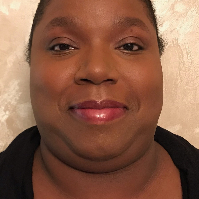
Norma Robinson
LPC
South Carolina - 4 yrs exp

Lauren Pointer
LISW-CP
South Carolina - 7 yrs exp










Rodrecus Atkinson
LPC
South Carolina - 11 yrs exp






How CBT addresses guilt and shame
When guilt and shame show up, they can feel overwhelming and persistent. CBT approaches these experiences by helping you examine the thoughts and behaviors that keep painful feelings in place. Guilt usually centers on actions - something you did or did not do - while shame is about the self - a belief that you are flawed. CBT helps you separate those layers so you can respond differently to each. Through cognitive work you learn to notice automatic thoughts that amplify blame and self-criticism, evaluate evidence for those thoughts, and develop alternate, more balanced perspectives. Through behavioral work you test those new perspectives in real life with small, guided experiments that show change is possible.
Cognitive techniques that reduce self-blame
You will use tools such as thought records and Socratic questioning to slow down and inspect harsh self-evaluations. Rather than accepting a gut reaction like "I am a failure," CBT encourages you to identify the underlying assumptions and gather concrete evidence about situations that trigger guilt or shame. Over time you learn to generate responses that acknowledge responsibility where it applies without collapsing into global self-condemnation. That distinction can reduce the intensity and duration of painful emotions and create room for constructive steps like apology or repair when needed.
Behavioral strategies to break avoidance
Shame often produces withdrawal, avoidance, and secrecy. CBT targets these patterns with carefully designed behavioral experiments. You may practice approaching situations you have been avoiding, role-play difficult conversations, or test predictions about how others will react when you disclose an error. These guided actions help correct overgeneralized beliefs and let you rebuild trust with others and yourself. Repeated behavioral practice combined with cognitive reframing creates a feedback loop that gradually weakens shame-based responses.
Finding CBT-trained help for guilt and shame in South Carolina
Looking for a therapist in South Carolina who specializes in CBT starts with clear priorities. You might search for clinicians who list CBT, cognitive therapy, or cognitive-behavioral methods on their profile, and note who mentions experience with self-blame, trauma-related shame, or moral injury. Many clinicians in Charleston, Columbia, Greenville and other parts of the state have additional training in trauma-informed CBT approaches and compassion-focused techniques that complement standard CBT when shame is deep-seated. If you live near Myrtle Beach or a smaller town, you can often find practitioners who offer in-person sessions locally and online appointments that serve the broader state.
Licensing and background matter when choosing a provider. Look for a licensed clinician with CBT training and relevant experience. You can also ask whether the therapist integrates related approaches - such as acceptance-based strategies, exposure for shame triggers, or self-compassion exercises - which can be helpful alongside traditional cognitive restructuring. Many therapists will describe their typical caseload and specialties on their listing, making it easier to identify a match before contacting someone.
What to expect from online CBT sessions for guilt and shame
Online CBT in South Carolina lets you access specialized clinicians who might not be available in your immediate area. Expect structured sessions that follow a clear agenda - reviewing progress, identifying target thoughts and behaviors, and agreeing on practical assignments to practice between sessions. Therapists typically use screen-sharing to walk through worksheets, thought records, and behavioral experiment plans. You should be prepared to discuss real-life examples of situations that trigger guilt or shame, and to try small tasks outside of sessions to test new beliefs.
Remote sessions work well when you set up a quiet, uninterrupted environment and commit to the homework that makes CBT effective. Therapists will talk with you about logistical details such as appointment length, frequency, fees, and whether they accept your insurance or offer alternative payment options. If you live in Charleston, Columbia, Greenville or the larger South Carolina region, online care can broaden your choices and help you find a clinician whose style and expertise fit your needs.
Evidence supporting CBT for guilt and shame
CBT has a strong evidence base for treating mood-related challenges and patterns of self-blame that often accompany guilt and shame. Research over several decades has shown that cognitive restructuring and behavioral interventions reduce negative thinking patterns and increase adaptive coping. While treatment is individualized, clinicians trained in CBT use structured techniques that have consistently produced measurable improvement in symptoms related to self-critical thinking and avoidance behaviors. In South Carolina, therapists often combine local cultural awareness with these evidence-based methods to create relevant, practical treatment plans.
Tips for choosing the right CBT therapist in South Carolina
Choosing a therapist is both practical and personal. Begin by clarifying what you want to address - whether it is managing persistent shame, processing remorse and making amends, or stopping avoidance that interferes with daily life. Use that clarity to guide your search and read therapist profiles for mentions of CBT training and experience with guilt and shame. When you contact a potential therapist, ask how they conceptualize guilt versus shame, what specific CBT techniques they use, and how they track progress.
Consider logistics as well. Note whether they offer in-person appointments in cities like Charleston, Columbia, or Greenville, and whether they provide online sessions across South Carolina. Ask about session length, frequency, fees, and cancellation policies. You may also want to inquire about cultural competence and experience working with people from backgrounds similar to your own. A good match often depends on how comfortable you feel with the therapist’s style and whether their approach resonates with your goals.
Preparing for your first CBT session
Before your first session, it helps to reflect on specific moments when guilt or shame felt strongest and what thoughts followed. Jot down recent examples you can discuss, and think about goals you want to work toward - for example, learning to respond differently after making a mistake, or engaging more openly with others without withdrawing. Be ready to collaborate on a treatment plan that includes homework such as thought records, behavioral experiments, or exercises to build self-compassion. Starting therapy with a sense of purpose helps you and your therapist measure progress over time.
Advocating for the care you need
If the first therapist you contact does not feel like a fit, it is reasonable to try another clinician. You deserve a therapist who listens, explains CBT tools clearly, and offers practical steps you can try between sessions. Many people in South Carolina find that seeing a clinician trained specifically in CBT for guilt and shame - whether in Charleston, Columbia, Greenville, or online from elsewhere in the state - helps them move from self-criticism toward constructive action and healthier self-view. Reach out to a listing to learn more and begin the process of finding the right therapist for your needs.