Find a CBT Therapist for Coping with Life Changes in South Carolina
This page lists Cognitive Behavioral Therapy (CBT) clinicians across South Carolina who focus on helping people manage life changes. Review the therapist listings below to compare CBT approaches, locations, and online options.




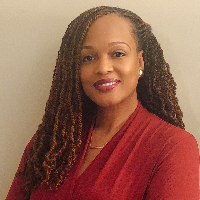
Norma Robinson
LPC
South Carolina - 4 yrs exp



















How CBT helps you cope with major life changes
When you face a major life change - such as a move, job transition, relationship shift, loss, or a new caregiving role - your thoughts and daily habits often change along with your circumstances. CBT works by helping you identify the unhelpful thinking patterns that make transitions feel harder and by teaching practical behavioral strategies to reduce stress and rebuild a sense of control. In sessions you will learn to notice automatic thoughts that inflate worry or hopelessness, test those thoughts against reality, and replace them with more balanced perspectives. At the same time you will practice behavioral techniques that rebuild routine, increase rewarding activities, and develop new skills for handling uncertainty.
CBT’s combination of cognitive work and behavioral experiments makes it particularly suited to life changes because it addresses both how you interpret an event and how you respond to it. Rather than simply talking about feelings, CBT focuses on concrete, goal-oriented steps that you can apply between sessions. That might include planning small approach tasks to reduce avoidance, scheduling activities that restore energy, or practicing problem-solving for practical challenges like housing or workplace changes. Over time, these shifts in thinking and action can reduce the intensity of distress and help you adapt more smoothly to new circumstances.
Finding CBT-trained help for life changes in South Carolina
Look for clinicians who explicitly list cognitive behavioral therapy training on their profiles and who describe experience working with life transitions. In South Carolina you will find CBT-trained clinicians in urban centers as well as suburban and rural communities. If you are near Charleston or Columbia you may have more in-person options, while people in Greenville and surrounding areas often find clinicians who combine in-person sessions with telehealth. Licenses to look for include licensed professional counselors, clinical social workers, marriage and family therapists, and psychologists. Many of these professionals pursue certificate trainings in CBT or ongoing supervised experience in CBT methods.
When evaluating a therapist, pay attention to whether they describe specific techniques used for transitions - for example, behavioral activation, cognitive restructuring, exposure for avoidance related to change, or problem-solving training. You can also check whether they offer brief, skills-focused treatment plans or longer-term support, depending on how much change you are navigating. If you need help balancing care with work or family, ask about evening appointments or online sessions that fit your schedule.
What to expect from online CBT sessions for coping with life changes
If you choose online CBT, the structure of therapy will generally mirror in-person work while using video, phone, or messaging tools. Sessions are usually scheduled for a set length - often 45 to 60 minutes - and follow an agenda you and your clinician set together. You can expect to review recent experiences, practice a cognitive or behavioral strategy, and agree on brief exercises to try between sessions. Many CBT clinicians share worksheets, mood tracking tools, or short exercises that support the skills you practice during the session.
Online work is particularly useful when you are dealing with geographically driven transitions, such as relocating to another area of South Carolina or balancing travel and family obligations. It also makes it easier to maintain continuity if your circumstances change during treatment. Prepare for online sessions by choosing a quiet, comfortable setting where interruptions are minimized and by testing your audio and video connection ahead of time. Clinicians should explain measures they take to protect your information and the session experience, and you can ask about how they handle scheduling, missed appointments, and emergencies before you begin.
Evidence supporting CBT for coping with life changes
CBT is one of the most studied approaches for addressing distress related to transitions and adjustment. Research indicates that structured, skills-based therapies that combine cognitive and behavioral components help people manage worry, regulate mood, and restore functioning after significant life events. While research often reports outcomes in general terms rather than tied to a single state, the principles tested in clinical trials apply to individuals across regions, including those in South Carolina.
In practical terms, clinicians working in community mental health centers, private practice, and university clinics throughout the state use CBT-informed methods to help clients develop coping plans, manage daily routines, and solve concrete problems associated with change. The approach is adaptable to different ages, cultural backgrounds, and life contexts, and many therapists integrate CBT techniques with interventions that address family, work, or health-related demands that accompany transitions.
Tips for choosing the right CBT therapist for life changes in South Carolina
Start by clarifying what you want from therapy. Are you looking for short-term, skill-focused help to navigate a specific transition, or are you seeking longer-term support for adjustment combined with other concerns? Use that goal to guide your search. When you contact a clinician, ask about their CBT training and their experience with situations similar to yours. Inquire how they typically structure treatment for life transitions, what kinds of homework you might be expected to do, and how progress is measured. This will give you a sense of whether their style matches your expectations.
Consider logistics that matter to your daily life, such as whether the therapist offers in-person appointments in Charleston, Columbia, or Greenville, or whether they provide telehealth visits that let you keep appointments despite travel or scheduling constraints. Ask about fees, insurance participation, and sliding scale options if cost is a concern. You may also want to know whether the therapist has experience working with people from your cultural or linguistic background, or with challenges specific to your stage of life such as career shifts, retirement, or parenting transitions.
Finally, trust your sense of connection. A collaborative, respectful relationship matters for CBT because you will be asked to try new behaviors and to work actively between sessions. Many therapists offer brief initial consultations so you can ask questions and decide whether the therapist’s approach feels like a good fit. If the match is not right, it is reasonable to try another clinician until you find one whose approach and schedule align with your needs.
Making the most of CBT during transitions
Once you begin CBT, set clear and achievable goals with your therapist. Focus on small, measurable steps that build momentum and address the most pressing aspects of the transition. Keep a brief log of moments when old patterns emerge and when new strategies help, and bring those notes to sessions so you and your therapist can fine-tune the plan. If you are balancing multiple responsibilities - work, family, schooling - discuss realistic ways to integrate practice into your routine, such as two or three short exercises daily instead of one long homework task.
Adaptation takes time, and setbacks are a normal part of change. CBT offers tools to anticipate and plan for those moments, so you can respond with practiced skills rather than reacting with old habits. Whether you live in a busy coastal community, a college town, or a rural area of South Carolina, these practical strategies can help you move through transitions with greater confidence and clarity.
Next steps
Use the therapist listings above to filter by location, availability, and CBT focus. Reach out to clinicians in Charleston, Columbia, Greenville, or your local area to ask about their experience with life changes and to schedule an initial conversation. With the right CBT-trained clinician, you can develop a clear plan to manage immediate challenges and to build skills that make future transitions easier to navigate.