Find a CBT Therapist for Compulsion in South Carolina
On this page you will find CBT therapists in South Carolina who focus on treating compulsion using evidence-based cognitive and behavioral strategies. Browse the listings below to compare training, approach, and availability and connect with a CBT clinician who meets your needs.
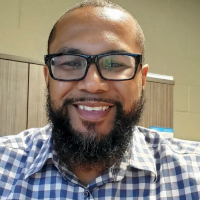
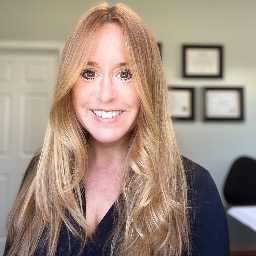
Rodrecus Atkinson
LPC
South Carolina - 11 yrs exp







How cognitive behavioral therapy approaches compulsion
When you are dealing with compulsion, actions can feel automatic and driven by intense urges or beliefs that something bad will happen if you do not act. Cognitive behavioral therapy - CBT - addresses both the thoughts that reinforce those urges and the behaviors that maintain them. CBT helps you identify the patterns that lead to compulsive behavior, test the beliefs that support those patterns, and build new ways of responding that reduce the power of the urge over time.
Cognitive and behavioral mechanisms
Cognitively, CBT teaches you to notice and question the interpretations and predictions that make a compulsion feel necessary. You learn to examine evidence for and against those beliefs, and to develop alternative, more balanced ways of thinking. Behaviorally, CBT uses strategies that change how you respond when an urge arises. One common approach within CBT for compulsion involves gradual exposure to difficult thoughts or situations while intentionally refraining from the habitual response. This exposure-work reduces the immediate anxiety that fuels the compulsion and helps you learn that the urge will pass without the behavior. Over repeated practice, you gain new learning that weakens the cycle of compulsion and avoidance.
Finding CBT-trained help for compulsion in South Carolina
When searching for a CBT therapist in South Carolina, you can look for clinicians who list CBT, exposure and response work, or related cognitive-behavioral techniques as part of their practice. Many therapists in urban and suburban areas bring additional training in working with compulsive behaviors, and you will often find experienced clinicians in cities such as Charleston, Columbia, and Greenville as well as in coastal communities like Myrtle Beach. Local listings typically indicate whether a therapist offers in-person sessions in a community setting or telehealth appointments for people across the state.
Licensing and ongoing training are useful indicators of a clinician's commitment to evidence-based care. You may want to ask prospective therapists about their specific experience with compulsive patterns, how they integrate CBT techniques into treatment, and what kind of outcomes they aim for. A brief initial conversation can give you a sense of whether their style and approach fit what you are looking for.
What to expect from online CBT sessions for compulsion
Online CBT sessions follow a structure similar to in-person care but with adjustments for the remote format. Sessions typically start with a check-in about your week, a review of any practice work you were assigned, and focused time on skills and exposures tailored to your goals. Your therapist will guide you through cognitive techniques to reframe thoughts and behavioral steps to practice new responses. Many therapists use screen-sharing to show worksheets, thought records, and graded exposure plans, and they may assign short, practical exercises for you to do between sessions.
Telehealth can be especially helpful when you need consistency and access to specialists who may not be near your home. If you choose online sessions, prepare a quiet room where you can focus, use headphones for clearer audio, and make sure your device has a reliable internet connection. You should also discuss how to handle moments when distress rises during an exposure exercise and confirm an agreed plan for immediate support if you feel overwhelmed between appointments.
Evidence supporting CBT for compulsion
Clinical research and treatment guidelines support cognitive behavioral approaches for addressing compulsive behaviors. Studies consistently show that when CBT techniques are applied with careful planning - including graded exposure and exercises to modify unhelpful thoughts - people often report reductions in compulsive actions and more flexible responding to urges. While individual results vary, CBT offers practical skills that you can continue to use after formal treatment ends.
In South Carolina, clinicians draw on the same evidence base that informs CBT nationwide. Whether you receive care in a community clinic in Columbia, with a private practice in Charleston, or via telehealth while living outside a major city, you can expect therapists to adapt core CBT principles to your circumstances. Many local providers incorporate culturally aware strategies and tailor exposures and cognitive work to match the realities of daily life in the region.
Tips for choosing the right CBT therapist for compulsion in South Carolina
Choosing a therapist is a personal process and a good match increases the chance that you will engage fully in treatment. Start by looking for clinicians who explicitly describe experience treating compulsive behaviors and who mention CBT-based techniques such as cognitive restructuring, graded exposure, or response prevention. During an initial call or consultation you can ask about typical session structure, how therapy goals are set, and whether the therapist provides practical assignments between sessions.
Consider logistics such as location, hours, and whether the therapist offers online sessions if travel is difficult. If you live near Charleston, Columbia, Greenville, or Myrtle Beach, you may prefer a clinician who also offers in-person meetings for occasional check-ins. Fees, insurance participation, and sliding scale options matter for ongoing care, so ask about payment arrangements up front. Equally important is tone and fit - you want a therapist who explains their methods clearly, listens to your concerns, and is willing to adjust plans based on your feedback.
Questions to ask prospective therapists
When you reach out, you might ask about the therapist's experience with exposure-based techniques, the typical length of treatment, and how progress is measured. You can also inquire how they handle homework and skills practice, and how they coordinate care if you are seeing other providers. A thoughtful clinician will be willing to explain their approach and suggest a plan you can try for several weeks to see how it fits.
Practical next steps
Start by browsing the therapist profiles in the listings above to compare specialties, training, and availability. If you find several options, schedule brief consultations to get a sense of approach and rapport. Preparing a short list of your main concerns and what you hope to achieve can help you and a potential therapist decide whether to begin CBT together. Remember that initial sessions are a chance to learn about methods and to set clear, manageable goals that you both commit to working on.
Finding the right CBT therapist for compulsion in South Carolina is about matching evidence-based techniques with a clinician who understands your priorities and life context. Whether you choose a local provider in Charleston, Columbia, Greenville, or a remote clinician who offers state-wide telehealth, a focused CBT approach can give you practical skills to reduce compulsive patterns and increase your sense of control over time.