Find a CBT Therapist for Bipolar in South Carolina
This page lists therapists in South Carolina who use cognitive behavioral therapy to work with bipolar conditions. You will find practitioners across the state who emphasize CBT approaches for mood management and functional recovery.
Browse the listings below to compare training, availability, and therapeutic focus to find a CBT clinician who fits your needs.



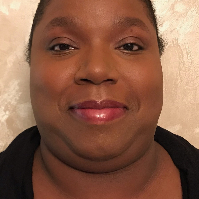
Norma Robinson
LPC
South Carolina - 4 yrs exp

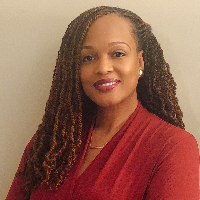
Lauren Pointer
LISW-CP
South Carolina - 7 yrs exp

















Why choose a CBT approach for bipolar care
Cognitive behavioral therapy, or CBT, is a structured, goal-oriented approach that helps you identify and change unhelpful thinking patterns and behaviors that can contribute to mood instability. In the context of bipolar conditions, CBT is often used alongside medication and other supports to help you recognize early warning signs of mood shifts, develop practical coping strategies, and rebuild daily routines that support mood regulation. The method focuses on concrete skills you can practice between sessions so that therapy translates into real-world changes in how you manage stress, sleep, activity levels, and relationships.
The cognitive side - changing thought patterns
The cognitive portion of CBT helps you notice automatic thoughts and assumptions that can push mood toward depression or mania. You learn to test and reframe thoughts that may be overly negative, catastrophizing, or rigid. That process can reduce the intensity and duration of depressive episodes by interrupting cycles of self-doubt and withdrawal. For hypomanic or manic tendencies, cognitive work can increase awareness about grandiose or risky thinking, helping you weigh consequences and make safer choices.
The behavioral side - building routines and skills
Behavioral techniques focus on changing actions that affect mood. You practice structured sleep-wake schedules, activity planning to reengage with meaningful tasks, and pacing strategies to avoid triggering mood peaks. Behavioral experiments give you a way to test new habits and observe their impact. Over time, these concrete changes create a more stable daily rhythm, which is a key factor in managing bipolar fluctuations.
Finding CBT-trained help for bipolar in South Carolina
When searching for a CBT clinician who specializes in bipolar care, look beyond a generic listing and focus on specific training and experience with mood disorders. Many therapists include CBT certification or additional training in mood disorder interventions on their profiles. Licensing and professional credentials indicate baseline standards, while descriptions of clinical focus and case examples can show how a therapist applies CBT to bipolar presentations. Availability for consultations and willingness to collaborate with prescribing clinicians are also important factors when your treatment plan includes medication management.
South Carolina offers a range of CBT practitioners in urban and suburban areas. If you are near Charleston, you may find therapists who combine CBT with psychosocial rehabilitation to address functioning across work and family life. In Columbia, clinicians often have experience with college-age adults and transitional care. Greenville has providers who emphasize mood monitoring and activity scheduling, and coastal communities near Myrtle Beach may offer clinicians who integrate CBT with lifestyle adjustments relevant to seasonal work and travel. Each region has clinicians whose local knowledge can help shape practical, context-sensitive treatment plans.
What to expect from online CBT sessions for bipolar
Online CBT sessions can closely mirror in-person therapy while offering flexibility that fits different schedules and geographic constraints. You can expect a structured format that begins with assessment of current mood, recent triggers, and functional goals for therapy. Sessions typically include collaborative problem solving, skill-building exercises, and homework assignments such as mood charts or behavior experiments. Therapists often use shared digital worksheets and screen-sharing to teach cognitive restructuring techniques and to review tracking tools together.
Because bipolar conditions sometimes involve rapid mood changes or safety concerns, a good online CBT clinician will discuss crisis planning and communication protocols at the outset. This does not replace emergency services but helps you and the therapist agree on steps to take if mood symptoms intensify between sessions. You should also expect discussion about coordination with other members of your care team, such as psychiatrists, primary care providers, or family supports, when appropriate.
Evidence and outcomes for CBT in bipolar care
Research literature supports CBT as a helpful adjunctive therapy for many people living with bipolar conditions. Studies have shown that targeted CBT techniques can improve mood monitoring, reduce the severity of depressive symptoms, and increase adherence to treatment plans when used alongside medication and psychoeducation. Clinical guidelines often recommend psychological therapies that teach relapse prevention and coping skills for managing mood episodes. While outcomes vary for each person, CBT’s focus on skills and relapse recognition makes it a practical option for those seeking active, strategy-focused treatment.
Within South Carolina, therapists bring that broader evidence into local practice by tailoring interventions to your life circumstances. Whether you are navigating work obligations in Charleston, academic pressures in Columbia, or family and community roles in Greenville, a CBT clinician can help translate research-based strategies into plans that fit your daily routines and responsibilities.
How to choose the right CBT therapist for bipolar in South Carolina
Choosing a therapist is a personal decision that blends clinical qualifications with interpersonal fit. Start by looking for clinicians who explicitly state experience with bipolar conditions and CBT-based training. During an initial consultation, ask about how they adapt CBT for manic and depressive phases, how they monitor progress, and how they coordinate with prescribers. You should feel comfortable discussing mood history, medication, and safety planning. Practical concerns matter too - ask about session length, frequency, cancellation policies, fees, and whether the clinician offers online or evening appointments to match your schedule.
Cultural fit and communication style are crucial. A therapist who listens to your goals and explains techniques in clear, manageable steps will help you feel engaged in the process. If you live near a larger city like Charleston or Columbia, you may have more options for in-person care, while rural areas may rely more on telehealth. Consider clinicians who have experience addressing life transitions common in the region, such as moving for work, caregiving responsibilities, or seasonal employment near coastal areas.
Questions to ask during a first call
When you contact a therapist, useful topics include their experience treating bipolar spectrum conditions with CBT, examples of typical session goals, how they handle medication coordination and crisis planning, and what kind of homework or self-monitoring they recommend. You can also ask about outcome measures they use to track progress and how they adapt the pace of therapy when mood symptoms change. Clear answers will help you judge whether a clinician’s approach matches your expectations.
Next steps and finding the right fit
Begin by browsing therapist profiles to identify clinicians who list CBT as a primary modality and who describe experience with bipolar conditions. Reach out for brief consultations to assess clinical approach, availability, and rapport. Keep in mind that finding the right match can take time, and it is reasonable to try a few clinicians before settling on one who aligns with your goals and preferences. Whether you are seeking care in Charleston, Columbia, Greenville, or a smaller South Carolina community, targeted CBT can offer practical tools to manage moods, improve day-to-day functioning, and support long-term stability when integrated with a broader treatment plan.
When you are ready, use the listings above to compare profiles and contact therapists to set up an initial conversation. A careful match between your needs and a CBT clinician’s expertise is the first step toward developing skills that support sustained well-being.