Find a CBT Therapist for Addictions in South Carolina
This page lists therapists in South Carolina who focus on addictions treatment using cognitive behavioral therapy. Review therapist profiles and use the filters to find CBT-trained clinicians near you or who offer online sessions.
Explore the listings below to compare experience, specialties, and session options so you can take the next step toward finding the right CBT provider for your needs.


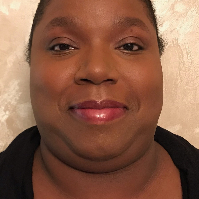
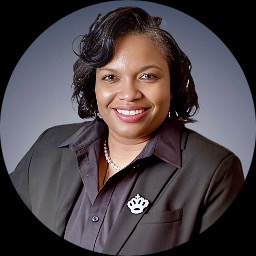
Norma Robinson
LPC
South Carolina - 4 yrs exp









How CBT Treats Addictions
Cognitive behavioral therapy, or CBT, approaches addictions by helping you identify the thoughts and behaviors that contribute to using substances or engaging in addictive behaviors. The work in CBT focuses on recognizing patterns - the situations that trigger urges, the beliefs that follow those urges, and the actions that reinforce use. By breaking that cycle you learn to replace unhelpful thoughts with more balanced ones and to develop alternative behaviors that meet the same needs without causing harm.
Therapists trained in CBT use targeted strategies such as functional analysis to map out what leads to a high-risk episode and to spot the small decisions that escalate risk. You will learn coping skills to manage cravings, techniques to tolerate distress without returning to the addictive behavior, and behavioral experiments to test new ways of responding. Over time these repeated practices help create new, more adaptive habits that reduce the power of triggers and strengthen your ability to choose different responses in challenging moments.
Addressing thoughts and habits
CBT emphasizes that thoughts are a key part of how you act. If you hold beliefs like I deserve a drink to relax or I can handle just one hit, those thoughts can make returning to the behavior more likely. In sessions you identify those thoughts, test their accuracy, and develop alternative statements that reduce the pull of cravings and increase motivation to change. At the same time you work on concrete behavioral strategies such as avoiding certain situations temporarily, building new routines, and practicing refusal skills in role plays so you are ready when temptation arises.
Finding CBT-trained Help for Addictions in South Carolina
When you search for a CBT therapist in South Carolina, look for clinicians who list both CBT and addictions as specialties. Many licensed professionals in the state hold credentials such as Licensed Professional Counselor, Licensed Clinical Social Worker, Licensed Marriage and Family Therapist, or doctoral degrees in psychology. Training in CBT often includes coursework, supervised practice, and ongoing consultation, and some therapists pursue specialized certifications or continuing education focused on substance use treatment and relapse prevention.
South Carolina offers a range of treatment settings where CBT is used, from private practices in cities like Charleston, Columbia, and Greenville to community mental health centers and university-affiliated clinics. If you live near the coast or in more rural areas, you may still find CBT-trained clinicians who offer telehealth appointments, which expands access across the state. When reviewing profiles, pay attention to whether the therapist mentions evidence-based protocols for addictions, experience with specific substances or behaviors, and familiarity with co-occurring mental health concerns that often accompany addictive patterns.
What to Expect from Online CBT Sessions for Addictions
If you choose telehealth, your online CBT sessions will often follow the same structure as in-person care. Initial appointments typically involve an assessment to understand your history, current patterns of use, and treatment goals. After that you and your therapist will set short-term and longer-term goals and agree on the frequency of sessions. CBT is active and collaborative, so expect to leave most sessions with concrete practice tasks to try between appointments.
Online sessions make it possible to fit treatment into a busy schedule and to work with clinicians who may not be nearby. You will use video or phone technology to meet, and your therapist may share worksheets, mood or craving tracking tools, and brief exercises to complete at home. Because CBT relies on repeated practice, the online format can be particularly useful for embedding new skills into your daily environment - you can practice coping strategies in the very places that previously presented triggers while still having therapist support.
Before beginning online care discuss logistics with any prospective therapist. Ask about session length, how to handle crises or after-hours concerns, the method for sharing homework, and expectations for attendance. Confirming these practical details helps you feel more prepared and gets treatment off to a productive start.
Evidence and Local Context for CBT in South Carolina
Across clinical research, CBT is one of the most widely studied approaches for addictions treatment. Studies have examined CBT for a range of substances and behaviors and have shown that the focus on skills training, relapse prevention, and cognitive restructuring can help people reduce use and gain greater control. In South Carolina many community clinics and specialized programs incorporate CBT techniques as part of broader care plans because of this strong research foundation.
Local clinicians adapt CBT to fit the cultural and community context of the people they serve. Urban centers such as Charleston, Columbia, and Greenville have clinics offering evidence-based CBT that often coordinate with medical providers, vocational services, and peer support groups. In less populated counties, therapists may combine CBT with case management and referrals to community resources so that treatment aligns with the realities of transportation, employment, and family responsibilities. The adaptability of CBT makes it a practical choice across diverse settings in the state.
Tips for Choosing the Right CBT Therapist for Addictions in South Carolina
Choosing the right therapist is a personal process. Start by clarifying what you want from treatment - whether your priority is stopping or reducing use, managing cravings, addressing co-occurring anxiety or depression, or improving relationships affected by addiction. Use those goals to guide your search. When you review therapist profiles look for clear statements about their experience with addiction-related issues, how long they have practiced CBT, and any additional training in relapse prevention or motivational interviewing.
Consider practical factors such as location, whether the therapist offers evening or weekend hours, and whether they accept your insurance or offer a sliding scale. If you live near major cities in South Carolina you may have greater choice in specialists, but telehealth options can bring qualified CBT therapists to your area even if you are farther from urban centers. It is also appropriate to have a brief consultation call before committing; ask how they structure CBT for addictions, what homework you can expect, and how progress is measured. Notice how comfortable you feel speaking with them - a good fit often depends on whether you feel heard and respected.
Questions to ask during an initial consultation
During a consultation you might ask how they tailor CBT to addiction recovery, whether they coordinate care with medical providers, and how they handle setbacks. Ask about their experience with clients who have needs similar to yours and what typical session pacing looks like for people pursuing recovery. The answers will help you understand whether the therapist's approach aligns with your expectations and whether they can adapt CBT techniques to your situation.
Taking the Next Step
If you are ready to begin, the listings above can help you compare CBT providers across South Carolina and contact those who look like a good fit. Reaching out for an initial conversation does not commit you to long-term care, but it does give you a chance to evaluate how a therapist works and whether their CBT approach fits your needs. Therapy is a collaborative process and finding a clinician who understands your goals, respects your experience, and offers practical CBT tools can be an important part of making change.
Whether you are in Charleston, Columbia, Greenville, or elsewhere in the state, a CBT-trained therapist can help you develop skills to manage triggers, reduce compulsive behaviors, and build routines that support healthier choices. Use the filters to narrow your search by specialty, licensure, session type, and location, and reach out to start a conversation about what CBT could look like for you in 2026 and beyond.