Find a CBT Therapist for Self-Harm in North Carolina
This page highlights CBT therapists across North Carolina who focus on treating self-harm. Browse the listings below to compare clinicians, read about their CBT approach, and reach out to someone who can help.

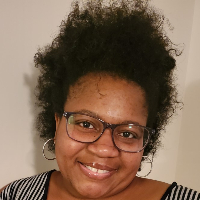
Ralph Murphy
LCSW
North Carolina - 30 yrs exp


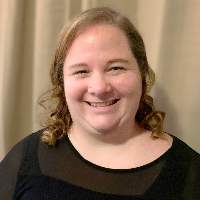
Paul Jones
LCSW
North Carolina - 8 yrs exp















How CBT specifically treats self-harm
Cognitive Behavioral Therapy, or CBT, focuses on the links between thoughts, emotions, and actions. When self-harm is part of how someone copes, CBT helps you identify the triggering thoughts and situations that lead to urges, and then builds alternative responses that reduce distress without harm. Rather than treating self-harm as an isolated behavior, CBT approaches it as a pattern of thinking and reacting that can be examined, tested, and changed over time.
The work often begins with careful assessment and what clinicians call a functional analysis. You and your therapist will look at the moments before, during, and after self-harming behavior to map the sequence of events and to understand the short-term relief and longer-term consequences that maintain the pattern. From there, cognitive interventions aim to shift unhelpful beliefs that escalate emotional pain, such as thoughts about worthlessness or all-or-nothing interpretations of events. Behavioral interventions give you concrete tools to tolerate urges and to create new habits - skills that can lower the intensity and frequency of self-harm over time.
Cognitive techniques
On the cognitive side, your therapist will guide you in recognizing automatic thoughts that accompany distress. You will practice questioning those thoughts, testing their accuracy, and developing more balanced alternatives. This is not about forced positivity; it is about building more accurate and manageable ways of interpreting setbacks and strong emotions. By changing the way you think about situations that once felt overwhelming, the emotional intensity that fuels self-harm can decrease.
Behavioral strategies
Behavioral work gives you tools to respond differently when urges appear. Therapists use strategies such as urge-surfing, distraction plans, and replacement activities that provide safer ways to manage intense feelings. Exposure-based techniques may be used carefully to reduce avoidance behaviors that keep fear or shame alive. You will often do practice exercises between sessions so that new responses become more automatic. Over weeks and months, these new responses can interrupt the cycle that previously made self-harm feel like the only option.
Finding CBT-trained help for self-harm in North Carolina
When you search for a CBT therapist in North Carolina, you want someone who not only knows CBT theory but who has applied it to self-harm in real-world settings. Look for clinicians who list CBT, trauma-informed CBT, or specific CBT protocols in their profiles. Licensing credentials vary across the state - psychologists, licensed professional counselors, and clinical social workers commonly offer CBT. You can also find clinicians with additional CBT certification or advanced training in working with high-risk behaviors.
Geography matters when you want local support. Whether you are in Charlotte, Raleigh, Durham, Greensboro, or Asheville, there are therapists trained in CBT who serve urban and rural communities. If you live outside a major city, many clinicians now offer remote sessions that cover broad regions of the state. If you prefer in-person work, check profiles for office locations and commuting options. If you need someone with experience in a particular demographic, such as adolescent populations or LGBTQ+ clients, you can often filter by specialties and read therapist biographies to find a good fit.
What to expect from online CBT sessions for self-harm
Online CBT sessions follow many of the same principles as in-person work, with practical adjustments for the technology and the setting. Your therapist will still begin with assessment and collaboratively set goals. Sessions will involve a mix of discussion, skill teaching, and planning for practice between appointments. You might use shared digital worksheets, guided breathing or grounding exercises, and role-play to rehearse alternative responses to urges. Homework is a central element - practicing new skills outside the session is where lasting change often occurs.
For many people, remote sessions increase access to specialized CBT clinicians who are not nearby. You can connect with someone experienced in treating self-harm whether you live near Charlotte or in a more remote corner of the state. Good online therapy also includes clear crisis planning. Your clinician will discuss what to do if you feel overwhelmed between sessions, including local emergency resources and a step-by-step coping plan tailored to your needs. This planning helps you and your therapist manage risk while working toward long-term goals.
Evidence supporting CBT for self-harm in North Carolina
CBT-based interventions have a solid research foundation for reducing self-harm and improving coping skills. Studies reviewed by clinical experts show that targeted cognitive and behavioral techniques can reduce the frequency of self-injury and help people develop alternatives for managing intense emotions. Within North Carolina, clinicians at university-affiliated clinics, community mental health centers, and private practices apply these evidence-based methods in both urban centers and rural clinics. Research and practice inform each other - clinicians use measurement and outcome tracking to refine treatment and to ensure the methods are helping clients make progress.
While research supports CBT approaches, outcomes depend on many factors including the fit between you and your therapist, consistency of treatment, and the presence of supports in your daily life. CBT is one of several evidence-based approaches that clinicians may draw on, and many therapists integrate CBT strategies with other therapies to meet your specific needs.
Tips for choosing the right CBT therapist for self-harm in North Carolina
Choosing a therapist is a personal decision, and there are practical steps you can take to find someone who feels right. Start by reading therapist profiles to learn about their training and how much experience they have working with self-harm. Look for descriptions of CBT methods, mention of functional analysis or skill-based treatment, and references to safety planning. Consider whether you prefer someone who focuses on adolescents, young adults, or adults, and whether cultural competence or language options matter for you.
Accessibility matters. Think about whether you need in-person appointments near a city like Raleigh or Durham, or whether you would benefit from remote sessions that let you work with a specialist further away. Check insurance participation or fee options so that care fits your financial situation. Trust your instincts during an initial conversation - a therapist who listens, explains their approach clearly, and is willing to collaborate on goals is often a good match. You can also ask about outcome measurement - therapists who track progress with brief measures can show you how therapy is working over time.
What to ask during your first contact
During an initial phone call or email, you might ask how the therapist approaches self-harm with CBT, what a typical session looks like, and how they handle crisis planning between appointments. It is reasonable to ask about their experience with clients who have similar patterns to yours, their availability, and how long they expect treatment to last. Open conversation about these topics helps you make an informed choice and sets expectations for the work ahead.
Next steps
Finding the right CBT therapist in North Carolina is an important step toward changing patterns of self-harm. Use the listings above to compare clinicians, read about their specific CBT experience, and reach out to schedule an initial conversation. If you are in immediate danger or feel unable to keep yourself safe, contact local emergency services or a crisis line right away. For ongoing support, a CBT-trained clinician can help you build skills, reduce urges, and create a plan for living with fewer self-harming behaviors over time.