Find a CBT Therapist for Mood Disorders in North Carolina
This page lists therapists across North Carolina who specialize in treating mood disorders using Cognitive Behavioral Therapy (CBT). You will find CBT-focused clinicians practicing in urban and rural communities, from Charlotte to Asheville. Browse the listings below to compare profiles and find a clinician who matches your needs.
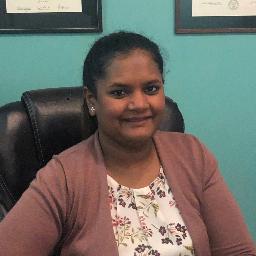





Paul Jones
LCSW
North Carolina - 8 yrs exp

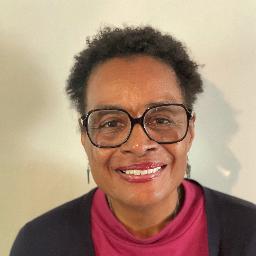




Kevin Stroud
LCSW
North Carolina - 6 yrs exp
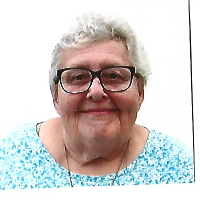


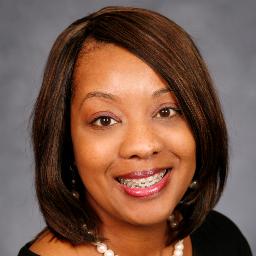
Wendi Nixon
LCMHC
North Carolina - 27 yrs exp







How CBT Treats Mood Disorders
Cognitive Behavioral Therapy, or CBT, is a structured approach that helps you identify and change patterns of thinking and behavior that contribute to low mood, persistent sadness, or mood swings. CBT works on two interacting levels - cognitive and behavioral. On the cognitive side you learn to notice automatic thoughts and underlying assumptions that can intensify negative feelings. Through guided exercises you test the accuracy of those thoughts, develop more balanced interpretations of situations, and build a more flexible way of thinking.
On the behavioral side CBT emphasizes practical changes in how you act day to day. Behavioral activation, a common CBT technique for depressive symptoms, helps you reconnect with activities that bring meaning or pleasure and reduce withdrawal. Other behavioral strategies might include activity scheduling, graded exposure to feared situations, and skills training to improve social interactions and problem solving. Together, these cognitive and behavioral strategies create a cycle of change - as your actions shift they influence your thoughts, and as your thinking shifts you are able to take different actions.
Finding CBT-Trained Help for Mood Disorders in North Carolina
When you begin searching for a CBT therapist in North Carolina, you will find clinicians working in a variety of settings - private practice offices, community clinics, university-affiliated centers, and telehealth practices. Larger cities such as Charlotte, Raleigh, and Durham tend to have more clinicians with specialized CBT training, but therapists trained in CBT also practice in Greensboro, Asheville, and smaller towns across the state. Professional directories, clinic websites, and local mental health organizations can help you identify clinicians who list CBT as a primary approach.
Because CBT is a skill-based therapy, you may want to look for clinicians who describe specific CBT techniques on their profiles, mention training or certification in CBT methods, or note experience treating mood disorders. You can also ask potential therapists about their experience with mood-related concerns, how they tailor CBT to individual needs, and whether they integrate other evidence-based methods when appropriate. If language or cultural background is important to you, look for clinicians who indicate experience working with diverse communities in North Carolina or who offer services in the language you prefer.
What to Expect from Online CBT Sessions for Mood Disorders
Online CBT sessions are commonly offered across North Carolina and can be a practical way to access skilled clinicians whether you live in an urban neighborhood or a rural county. Telehealth CBT typically follows the same structured format as in-person work - sessions have a clear agenda, include review of progress and homework, and focus on skill-building. You can expect to work collaboratively with your therapist to set specific goals, identify patterns of thought and behavior that maintain low mood, and practice new strategies in your daily life between sessions.
During online sessions your therapist will likely assign short skill practice tasks, worksheets for cognitive restructuring, and behavioral experiments to try between appointments. Many people appreciate that telehealth makes it easier to fit sessions into a busy schedule and to practice techniques in your own environment. If you have concerns about privacy during online work, discuss them with the clinician - they can help you find a comfortable environment for sessions and explain how they manage records and communications in line with professional standards.
Evidence Supporting CBT for Mood Disorders in North Carolina
CBT is one of the most extensively studied psychotherapies for mood disorders. Research conducted nationally and in regional settings supports its effectiveness for reducing depressive symptoms and helping people develop lasting coping skills. Academic centers and clinical programs in North Carolina have contributed to mental health research and training, and many clinicians trained in those programs bring evidence-informed CBT approaches into community practice.
What this means for you is that when you choose a therapist who practices CBT, you are selecting a method with a strong research foundation and a clear focus on measurable goals and skills. Clinicians in cities like Raleigh and Durham may have access to training opportunities and peer consultation networks that keep their CBT skills current, while therapists across the state often participate in continuing education to maintain competency in the latest CBT techniques.
Tips for Choosing the Right CBT Therapist in North Carolina
Choosing a therapist is a personal decision. Start by considering the practical details that matter to you - whether you prefer in-person or online sessions, the therapist's office location if you want an in-person option, fees and insurance participation, and availability that fits your schedule. In metropolitan areas such as Charlotte and Raleigh you may have more immediate appointment options, while in smaller communities you might find clinicians who offer flexible telehealth hours to accommodate working schedules.
Beyond logistics, look for a therapist who explains how they use CBT for mood disorders and who is willing to describe the kinds of strategies they commonly teach. Ask about the expected course of treatment - CBT often emphasizes short- to medium-term work focused on specific skills, though some people continue with longer-term therapy to address broader life patterns. Inquire about how progress will be measured, how homework is assigned and reviewed, and what happens if your mood does not improve as hoped. A clinician who offers clear answers demonstrates a practice aligned with CBT principles.
Consider also the interpersonal fit. You should feel heard and respected by your therapist and feel that they understand the context of your life in North Carolina - whether that context involves urban stressors in Charlotte, the academic and medical communities near Durham and Raleigh, or the cultural and geographical differences of Asheville and Greensboro. If cultural competence, language, or age-specific experience matters to you, bring that into the conversation when you contact potential therapists.
Next Steps and Practical Considerations
Once you've identified a few CBT clinicians who seem like a good match, reach out to schedule a consultation or initial session. Many therapists offer a brief intake call to discuss your needs and explain their approach. Use that opportunity to ask about their CBT training, experience with mood disorders, session format, and how they collaborate on treatment goals. If you plan to use insurance, confirm whether the clinician accepts it and how billing is handled. If insurance is not an option, ask about sliding scale fees or community resources in your area.
Finding the right CBT therapist can make a meaningful difference in how you manage mood-related challenges. By focusing on evidence-based techniques, realistic goals, and a good fit with a clinician near you or online, you can build skills to better understand and respond to mood changes. Whether you live in a busy urban center like Charlotte or a quieter region such as Asheville, there are CBT-trained clinicians across North Carolina ready to work with you toward clearer thinking and more intentional behavior.
Closing thought
When you take the step to explore CBT for mood disorders, you are choosing a practical, skills-focused path that many people find helpful. Use this directory to compare clinicians, ask targeted questions, and find a CBT therapist in North Carolina who aligns with your goals and life situation.