Find a CBT Therapist for Compulsion in North Carolina
This page lists CBT therapists in North Carolina who focus on treating compulsion. You will find clinicians who use cognitive-behavioral methods, including exposure and response prevention, to address repetitive urges and behaviors. Browse the listings below to compare qualifications and reach out to practitioners who match your needs.


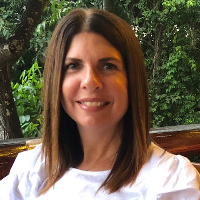
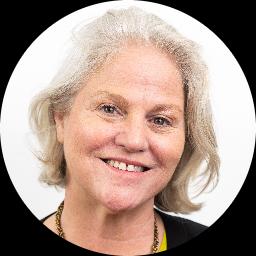
Elizabeth Wilson
LCMHC
North Carolina - 18 yrs exp












How CBT addresses compulsion
Cognitive-behavioral therapy, or CBT, approaches compulsion by targeting the thoughts and behaviors that maintain repetitive actions. Compulsive behaviors often develop as attempts to reduce distress from intrusive thoughts or intense urges. In CBT you learn to identify the beliefs that lead to compelled actions, test those beliefs through behavioral experiments, and gradually change the reactions that keep the cycle in motion. The therapy blends cognitive strategies that challenge unhelpful thinking with behavioral techniques that change what you do in response to an urge.
Cognitive mechanisms
On the cognitive side you work on identifying patterns of thought that make compulsions feel necessary. You explore assumptions about risk, responsibility, certainty, and control that can inflate the need to perform a behavior. Through guided exercises you learn to reframe thoughts, estimate realistic probabilities, and tolerate uncertainty in a different way. Over time these shifts in thinking reduce the urgency and intensity of the internal prompts that drive compulsive acts.
Behavioral mechanisms
The behavioral component focuses on changing what you do when an urge arises. Exposure and response prevention is a well-known CBT technique for compulsion that involves facing triggers in a controlled way while refraining from the usual compensatory behavior. That practice helps uncouple the distress from the acting out and trains new responses. Therapists also use behavioral experiments and activity scheduling to replace compulsive routines with healthier habits, and to collect real-world evidence that disproves fearful predictions.
Finding CBT-trained help for compulsion in North Carolina
When you look for a CBT therapist who treats compulsion in North Carolina, consider both clinical credentials and specific training in cognitive-behavioral approaches. Licensed clinicians across the state may hold titles such as licensed professional counselor, clinical psychologist, or licensed clinical social worker, and many pursue specialized training in CBT or exposure-based methods. You can search for therapists who list expertise in compulsive behaviors, obsessive thoughts, or exposure and response prevention to narrow your options.
Regions such as Charlotte, Raleigh, and Durham offer a mix of private practices, outpatient clinics, and university-affiliated training clinics where CBT is commonly used. Smaller cities like Greensboro and Asheville also have practitioners trained in exposure-based work and other CBT tools. If you live outside a metropolitan area, look for clinicians who offer telehealth visits so you can access practitioners with focused experience even if they are based in a different city.
What to expect from online CBT sessions for compulsion
Online CBT sessions typically mirror in-person therapy in structure and technique, while offering flexibility in location. You will usually begin with an assessment of your patterns, key triggers, and goals. Early sessions involve education about how compulsion develops and collaborative formulation of a plan that includes cognitive strategies and behavioral tasks. Homework is a core part of CBT - you will be asked to practice exercises between sessions, such as exposure tasks or thought records, so progress continues outside of the video call.
Therapists adapt exposure exercises to an online setting by using imaginal exposures, situational planning within your home environment, or guided in-session exposures when feasible and safe. If you choose telehealth, create a quiet room where you feel comfortable to focus and to practice exercises. Connectivity and technological conveniences can make scheduling easier, and many clinicians will discuss how they handle session logistics, emergency contacts, and local referrals during your first meeting.
Evidence and outcomes for CBT approaches
Research literature has established cognitive-behavioral techniques, including exposure and response prevention, as well-studied approaches for treating compulsive behaviors. In clinical practice across North Carolina, clinicians draw on this evidence base while tailoring interventions to each person's history and needs. Local training programs and continuing education offerings help therapists stay current with effective CBT methods, and many clinicians integrate outcome monitoring to track progress over time.
If you are curious about outcomes, you can ask prospective therapists how they measure change, what typical timelines look like for people with similar concerns, and how they adapt strategies when progress plateaus. Asking these questions helps you get a realistic sense of what to expect and whether the therapist uses evidence-informed practices that align with your goals.
Tips for choosing the right CBT therapist in North Carolina
When selecting a therapist for compulsion in North Carolina, focus on fit as much as qualifications. Start by reviewing clinician profiles to see whether they specifically mention cognitive-behavioral therapy, exposure and response prevention, or work with compulsive behaviors. During an initial contact or consultation, ask about experience with your particular presentation, typical session structure, homework expectations, and how progress is measured. Pay attention to how the therapist explains their approach - clear, collaborative explanations often reflect a practical CBT orientation.
Practical considerations also matter. Think about whether you prefer in-person visits in cities like Charlotte or Asheville or whether telehealth is more convenient. Check insurance participation if coverage is important to you, or ask about sliding scale options when cost is a concern. Availability for appointments at times that fit your schedule, proximity to local resources in places such as Raleigh or Durham, and willingness to coordinate care with other providers can influence how effectively the therapy fits your life.
Getting started and what to expect next
Once you narrow your list, reach out to ask about an initial consultation. Many therapists offer brief phone or video calls to discuss goals and determine mutual fit. In that conversation you can clarify training in CBT and exposure-based techniques, typical treatment length, and what first steps might look like. Trusting your sense of fit is important - therapy tends to be more effective when you feel heard and the methods make sense to you.
CBT offers a structured, skills-based path for addressing compulsion, and North Carolina has a range of clinicians trained in these methods across urban and smaller communities. Whether you connect with a therapist in Charlotte, schedule telehealth visits with a clinician based in Raleigh, or find a practitioner in Greensboro or Asheville, taking a few practical steps to evaluate experience and fit will help you find the right CBT approach for your needs. If you are ready to begin, use the listings above to compare profiles, reach out for a consultation, and take the first step toward working on patterns that have been limiting your daily life.