Find a CBT Therapist for Codependency in North Carolina
This page lists cognitive behavioral therapists across North Carolina who focus on treating codependency. Browse the clinician profiles below to compare CBT approaches and local or online availability.
Use the filters to find therapists in Charlotte, Raleigh, Durham and other cities, then contact those whose approach and experience match your needs.





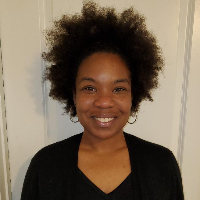



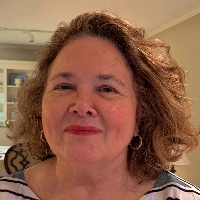

Kevin Stroud
LCSW
North Carolina - 6 yrs exp


Wendi Nixon
LCMHC
North Carolina - 27 yrs exp




Elizabeth Wilson
LCMHC
North Carolina - 18 yrs exp



Sarah Fagan
LCMHC
North Carolina - 10 yrs exp




How CBT specifically treats codependency
Cognitive behavioral therapy, often called CBT, approaches codependency by identifying the thoughts and behaviors that keep unhealthy relationship patterns in place. In CBT you will work with a therapist to notice the beliefs that drive over-responsibility, people-pleasing, or reliance on others for self-worth. By tracing how certain thoughts lead to particular feelings and then to repetitive actions, you can begin to interrupt cycles that maintain codependent dynamics.
The work often starts with cognitive techniques aimed at noticing and testing automatic thoughts. You may learn to recognize assumptions such as I must fix others to be valued or I am responsible for other people’s emotions. A CBT therapist helps you examine evidence for and against these beliefs and develop more balanced, realistic alternatives that guide healthier choices.
Cognitive mechanisms
CBT targets the mental rules and shortcuts that feel automatic. When you hold rigid beliefs about your role in relationships, those beliefs shape how you interpret interactions and how you decide to act. Through cognitive restructuring you practice labeling distorted thinking - for example, personalization or catastrophizing - and replace it with statements that are less self-blaming and more factual. Over time this reduces the mental rehearsal that fuels codependent responses.
Behavioral mechanisms
Alongside cognitive work, CBT uses behavioral experiments and exposure-style tasks to change what you do in relationships. You may practice setting small boundaries, asking for needs directly, or tolerating discomfort when you do not immediately fix a partner’s problem. These experiments provide real-world feedback that challenges old predictions. As you try different behaviors and see new outcomes, your confidence grows and automatic patterns begin to shift.
Finding CBT-trained help for codependency in North Carolina
When searching for a clinician in North Carolina, look for therapists who describe CBT in their profiles and who mention experience with relational patterns or codependency. Many therapists combine CBT with related approaches such as skills training or interpersonal work, which can be helpful because codependency often involves both thinking patterns and relational habits. Consider whether you prefer in-person sessions in a local office or teletherapy that allows more scheduling flexibility.
Major cities like Charlotte, Raleigh, and Durham host a range of clinicians with CBT training. If you live outside those areas you can still access experienced CBT therapists via online appointments. Ask potential therapists about their specific experience treating codependency, the techniques they commonly use, and how they measure progress. A clear explanation of their approach will help you decide who matches your needs.
What to expect from online CBT sessions for codependency
Online CBT sessions generally follow the same structure as in-person work but adapt exercises to a virtual format. Your therapist will guide you through thought records, behavioral experiments, and role-play scenarios using video or telephone. You will be invited to complete homework between sessions - short practice tasks that reinforce what you learn. Expect to track situations that trigger old patterns and to review outcomes together.
Therapists often use worksheets and shared screen tools to walk through cognitive restructuring steps, and you may receive recorded guidance or written plans to support practice. Online sessions can make it easier to schedule consistent appointments and to involve real-life contexts - for example, practicing boundary-setting in the moment or reporting back on interactions that occurred between sessions. If you live in Charlotte, Raleigh, or Durham, you may have the option to combine occasional in-person meetings with virtual care.
Evidence supporting CBT for codependency in North Carolina
Research on CBT shows strong support for its effectiveness in addressing maladaptive thinking and behavioral patterns that are central to codependency. While much of the clinical evidence comes from studies of related conditions - such as anxiety, depression, and relationship problems - the principles of CBT translate well to codependency work because they focus on changing thought-behavior cycles. Clinicians in North Carolina draw on these evidence-based techniques when adapting treatment to the relational and cultural contexts of their clients.
Local mental health providers and academic centers in North Carolina contribute to a practice environment where CBT training and supervision are commonly available. This means you can often find therapists who engage in ongoing professional development and who tailor standard CBT methods to address family systems, caregiving roles, and relationship histories that intersect with codependency. When reviewing clinician profiles, look for mention of training in CBT, as well as details about how they integrate relationship-focused work into their therapy plan.
Tips for choosing the right CBT therapist for codependency in North Carolina
Begin by clarifying what you want from therapy: Do you want to reduce people-pleasing, strengthen boundaries, or address patterns inherited from family relationships? Knowing your priorities makes it easier to evaluate clinician descriptions. When you contact therapists, ask about their specific experience with codependency and the CBT techniques they use. A skilled CBT clinician will explain how they help clients identify unhelpful beliefs, practice new behaviors, and measure progress over time.
Consider logistics as well - availability, fees, and whether the therapist offers evening or weekend appointments. If you prefer in-person sessions, search for therapists in cities like Charlotte, Raleigh, or Durham. If you need more flexibility, prioritize clinicians who offer consistent online appointments. Ask about how progress is tracked and what typical session frequency they recommend so you can set expectations before committing.
Pay attention to how the therapist describes collaboration. In CBT you are an active participant, and a good fit is someone who outlines clear goals and homework tasks while adapting pace to your comfort level. If you are unsure after a first session, it is reasonable to try a few different clinicians until you find one whose style and focus feel right for you.
Working with CBT in your daily life
Therapy is most effective when the skills you learn in sessions carry into everyday interactions. You will likely be asked to practice brief exercises between appointments - noting automatic thoughts, testing new responses to triggers, or rehearsing boundary-setting language. These practices are designed to be practical and manageable, so you can integrate gradual change without overwhelming your routine.
Support networks in North Carolina - friends, family, or local groups - can also play a role in recovery from codependency. While therapy focuses on your internal patterns and behaviors, changing relationship dynamics often benefits from external support. Your therapist can help you plan conversations with important people in your life and prepare for reactions you might encounter when you assert new boundaries.
Next steps
Use the listings on this page to find CBT clinicians who specialize in codependency in North Carolina. Review profiles for training in cognitive behavioral therapy, read about their experience with relationship issues, and consider whether you want in-person sessions in cities like Charlotte, Raleigh, or Durham or the flexibility of online care. Contact a few therapists to ask about their approach and availability, and choose the clinician who feels like the best match for the changes you want to make.