Find a CBT Therapist for Bipolar in North Carolina
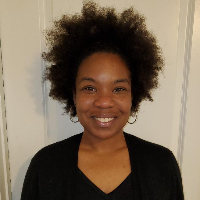
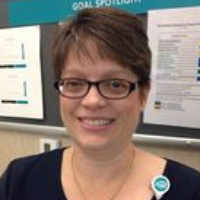
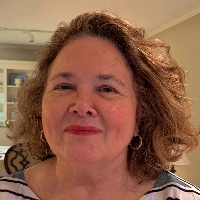
This page features CBT-trained clinicians in North Carolina who focus on bipolar mood concerns. Listings include therapists' training, treatment approach, and locations such as Charlotte, Raleigh, and Durham. Browse the profiles below to find a CBT practitioner whose style and availability match your needs.





















How CBT Addresses Bipolar: Cognitive and Behavioral Mechanisms
Cognitive Behavioral Therapy, or CBT, is a structured approach that helps you identify patterns of thinking and behavior that can influence mood and daily functioning. For people managing bipolar, CBT focuses on recognizing early warning signs of mood shifts, examining unhelpful or extreme thoughts that can accompany depressive or elevated states, and developing practical strategies to change behaviors that reinforce those moods. Rather than promising a cure, CBT gives you tools to respond to mood changes with intentional actions - such as activity scheduling, mood monitoring, and thought testing - so you can reduce the disruption caused by mood swings.
CBT for bipolar typically combines cognitive techniques - examining the accuracy and usefulness of thoughts - with behavioral strategies that stabilize routines and reduce impulsive actions. You will work with a clinician to create personalized plans for managing sleep, stress, and interpersonal triggers. These plans help you gain greater control over daily patterns that affect mood, because small changes in behavior often have a meaningful impact on how you feel.
Finding CBT-Trained Help for Bipolar in North Carolina
When you begin looking for a CBT therapist in North Carolina, you will find options across urban centers and smaller communities. Major cities such as Charlotte, Raleigh, Durham, Greensboro, and Asheville host a range of licensed clinicians who list CBT as a primary modality. Many clinicians include information about training, certifications, and years of experience on their profiles, which can help you evaluate fit before you reach out.
Local community mental health centers, university clinics, and private practices often have clinicians trained in CBT. You can check therapist profiles for keywords like cognitive behavioral therapy, mood stabilization work, or experience with bipolar mood patterns. Some therapists list additional training in mood disorders, relapse prevention, and collaborative care approaches that work alongside medication and primary care. If you have specific needs related to age, cultural background, or co-occurring concerns, look for therapists who mention that experience in their profile summaries.
What to Expect from Online CBT Sessions for Bipolar
Online CBT sessions make it possible to connect with qualified clinicians across North Carolina without traveling. In an initial online session you can expect to review your history, current symptoms, and treatment goals. Your therapist will likely ask about mood patterns, sleep, medication management if applicable, and recent stressors. Together you will set short-term targets and identify practical homework - for example, a mood diary or activity plan to try between sessions.
Subsequent online sessions are often structured and time-limited, with a mix of skill teaching and review of how techniques are working for you. You may practice behavioral experiments on camera, use shared worksheets, and build a written relapse prevention plan. Online CBT can be particularly convenient if you live outside major cities like Charlotte or Asheville, or if your schedule makes in-person visits difficult. Make sure the clinician outlines how they handle crises, communicates between sessions, and coordinates care with prescribers if that is part of your plan.
Evidence Supporting CBT for Bipolar in North Carolina
Clinical research has examined CBT as part of comprehensive care for bipolar mood patterns, often as an adjunct to medication and other supports. Studies generally indicate that CBT can reduce the intensity of depressive symptoms, improve coping skills, and support relapse prevention when paired with appropriate medical management. In North Carolina, you will find clinicians who draw on this evidence base and adapt techniques to local needs, including culturally informed approaches in diverse communities.
Academic centers and community clinics across the state contribute to training and dissemination of CBT methods, creating a pool of therapists who pursue specialized workshops and supervision. When you review therapist profiles, you may see references to training in mood disorder interventions, workshops on relapse prevention, or involvement with university training programs. These details can be useful in assessing whether a clinician is applying evidence-based CBT strategies to bipolar care.
Tips for Choosing the Right CBT Therapist for Bipolar in North Carolina
Choosing a therapist is a personal decision and you should look for someone whose approach and experience fit your needs. Start by checking licensure and basic credentials and then focus on clinical experience with bipolar mood concerns. Ask whether the therapist uses CBT as a primary modality for bipolar work and whether they offer techniques such as mood charting, cognitive restructuring, and behavioral activation. In places like Raleigh or Durham, you may have broader options for specialists; in smaller towns it can help to consider clinicians who offer telehealth to expand your choices.
Assess practical factors that affect ongoing treatment. Consider session frequency, cancellation policies, fees, insurance acceptance, and whether the therapist offers a sliding scale if cost is a concern. Many people find it helpful to ask about collaboration with prescribing clinicians - for instance, whether the therapist will communicate with your psychiatrist or primary care provider when coordination is desired. Also consider personal fit - rapport, communication style, and cultural competence matter. It is reasonable to request a brief initial call or consultation to get a sense of whether the clinician's style suits you.
Working With a Therapist Over Time
CBT for bipolar is often a collaborative process that evolves over time. Early work typically centers on assessment, building trust, and establishing a baseline of mood patterns. As you gain skills, sessions may shift toward practicing coping strategies, testing unhelpful beliefs, and refining a long-term plan to manage stressors and prevent relapse. You should expect periodic reviews of progress and adjustments to strategies as life circumstances change. Many people benefit from occasional booster sessions once core skills are established, especially during transitions or increased stress.
If you live in a busy metro area like Charlotte, you may find options for specialized groups or adjunctive services such as skills training workshops that complement individual CBT. In other regions, therapists may build collaborative networks to support continuity of care. Wherever you are in North Carolina, seek a clinician who explains the goals of treatment clearly, sets realistic expectations, and involves you in decision-making about techniques and priorities.
Getting Started
Begin by narrowing your search to CBT-trained clinicians who list bipolar-related experience. Use the profiles on this site to compare training, approach, and practical availability in cities such as Charlotte, Raleigh, and Durham. When you contact a therapist, ask about their CBT experience with mood patterns, session structure, and how they handle care coordination. Making an informed choice up front can help you find a collaborative therapeutic relationship that supports day-to-day management and long-term resilience.
Finding the right CBT therapist in North Carolina can make a meaningful difference in how you manage mood challenges. With clear goals, practical tools, and a clinician who matches your needs, CBT can become a reliable part of your overall plan for stability and improved functioning.