Find a CBT Therapist in North Carolina
Welcome to TherapistDirectory's listing of CBT therapists serving North Carolina. All professionals shown are licensed clinicians trained in cognitive behavioral therapy - explore profiles to find someone who matches your needs.







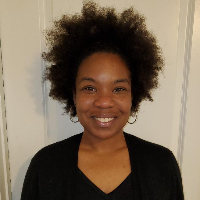
Ralph Murphy
LCSW
North Carolina - 30 yrs exp
















Overview of CBT availability in North Carolina
If you are looking for cognitive behavioral therapy in North Carolina, you will find a range of licensed clinicians offering evidence-informed CBT approaches online. Many therapists in the state have specialized training in CBT and apply it to a variety of concerns, from persistent anxiety to mood concerns and repetitive behaviors. Because CBT is structured and goal-focused, it translates well to an online format, allowing you to work with a therapist who fits your preferences for style, experience and scheduling without being limited to local office hours.
Benefits of online CBT for North Carolina residents
Choosing online CBT can expand your options and make it easier to find a therapist who has specific expertise. You can connect from your home, office or another comfortable environment that works for you, reducing commute time and making it simpler to keep appointments. Online sessions often permit more flexible scheduling which can help if you balance work, school or family responsibilities. For many people, the ability to review digital worksheets, receive session notes or complete structured exercises between sessions enhances the CBT process and supports steady progress.
Access and convenience
Online delivery increases access if you live in a rural part of the state or if local in-person options are limited. You may be able to work with a therapist whose practice philosophy and approach closely match your needs rather than compromising because of geography. That can be especially helpful if you are seeking clinicians with training in specific CBT techniques, such as exposure-based work for obsessive behaviors or behavioral activation for low mood.
Fit and continuity
Working online can also help maintain continuity of care if you travel for work, school or family reasons within North Carolina. Because CBT is structured and often organized around measurable goals, you and your therapist can track progress in a consistent way across sessions, whether you meet from a desktop at home or a quiet spot near your workplace. You should discuss expectations for technology, session length and what to do if you need to reschedule so you both have a clear plan.
Common concerns CBT-trained therapists in North Carolina treat
CBT-trained clinicians commonly treat a range of conditions that respond well to structured, skills-based work. Anxiety conditions such as generalized anxiety, social anxiety and panic are frequently addressed with cognitive restructuring, exposure-based strategies and relaxation training. Depressive symptoms are often approached through behavioral activation - helping you reengage with meaningful activities - and by challenging negative thinking patterns that maintain low mood. For obsessive-compulsive tendencies, CBT with exposure and response prevention is a widely used approach that focuses on gradual, supported practice in the presence of feared thoughts without engaging in rituals.
Other areas where CBT is often applied include stress management, trauma-related difficulties when used alongside trauma-informed care, sleep problems, anger management and relationship patterns that contribute to distress. Therapists trained in CBT may adapt techniques to fit your life stage and cultural background, and they may integrate skills for emotional regulation, problem solving and relapse prevention into a tailored treatment plan.
How the structured nature of CBT works well online
You may wonder whether a structured therapy like CBT will translate into an online setting. Many people find that the clear agenda, measurable goals and homework components of CBT fit naturally into virtual sessions. Your therapist can screen-share psychoeducation materials, walk through cognitive worksheets and assign between-session exercises that you complete and review together. The clarity of CBT tasks helps you see progress over time, and the emphasis on practice means that much of the work happens in your daily life rather than relying solely on in-session insight.
Online sessions also make it easier to integrate real-life practice. For example, if your treatment plan includes exposure tasks, your therapist can guide you through planning and review while you are in your own environment. If you are using behavioral activation, you can track activity and mood digitally and bring those records into the next session. This practical emphasis tends to increase the relevance and sustainability of the skills you learn.
How to verify a therapist's CBT training and license in North Carolina
When you are choosing a therapist, it is reasonable to confirm both clinical licensure and specific CBT training. Start by reviewing the clinician's profile for stated credentials, degrees and supervised clinical experience. You can ask a potential therapist about formal CBT training - for example, whether they completed workshops, certification programs or supervised CBT practice - and request examples of how they apply CBT techniques in sessions. A candid clinician will be able to describe their approach, typical session structure and the kinds of problems they treat.
To verify licensure, check the status of a therapist's license through the relevant North Carolina licensing board for mental health professionals. Licensing websites typically allow you to search by name to confirm that the license is active, to view the license type and to see any disciplinary history. If you are unsure which board applies, ask the clinician which license they hold and where they are registered. It is also appropriate to ask about continuing education in CBT and whether they engage in supervision or peer consultation to refine their skills.
Tips for choosing the right CBT therapist in North Carolina
Choosing a therapist is a personal process and you should feel comfortable asking questions during an initial consultation. Consider asking about their specific experience treating the issue you want to address, how they measure progress and how long they typically work with clients on similar concerns. Ask about session frequency, typical homework expectations and how they adapt CBT techniques to individual needs. If you use insurance, verify whether they accept your plan and what your out-of-pocket costs will be. Many therapists offer a brief introductory call so you can gauge fit before committing to a full appointment.
Trust your sense of rapport. CBT relies on collaboration between you and your therapist, so feeling heard and understood is important. If you try a few sessions and do not feel the approach is helping, discuss adjustments with your clinician - they can modify techniques or recommend alternative evidence-informed options. Effective CBT often includes measurable goals, so you should notice shifts in how you handle thoughts and behaviors over time. If a therapist does not track progress or struggles to explain how CBT applies to your concerns, it is reasonable to seek another clinician whose approach aligns with your expectations.
Next steps
Begin by browsing therapist profiles and noting clinicians who highlight CBT training and experience with the concerns you face. Schedule an initial consultation to discuss your goals, how CBT would be applied and practical details like session length and fees. With online CBT options available across North Carolina, you can prioritize both therapeutic fit and logistical convenience to find a clinician who will support your progress in a focused, skills-based way.
If you are ready to take the next step, review profiles, prepare questions that matter to you and reach out to schedule a conversation. Finding the right CBT-trained therapist can help you build practical tools to manage symptoms and create lasting changes in daily life.
Browse Specialties in North Carolina
Mental Health Conditions (35 have therapists)
Addictions
224 therapists
ADHD
239 therapists
Anger
315 therapists
Bipolar
219 therapists
Chronic Pain
84 therapists
Compulsion
101 therapists
Depression
416 therapists
Dissociation
50 therapists
Domestic Violence
129 therapists
Eating Disorders
79 therapists
Gambling
68 therapists
Grief
317 therapists
Guilt and Shame
283 therapists
Hoarding
35 therapists
Impulsivity
164 therapists
Isolation / Loneliness
261 therapists
Mood Disorders
224 therapists
Obsession
101 therapists
OCD
101 therapists
Panic Disorder and Panic Attacks
192 therapists
Personality Disorders
82 therapists
Phobias
60 therapists
Post-Traumatic Stress
245 therapists
Postpartum Depression
113 therapists
Seasonal Affective Disorder (SAD)
148 therapists
Self Esteem
413 therapists
Self-Harm
111 therapists
Sexual Trauma
101 therapists
Sleeping Disorders
99 therapists
Smoking
35 therapists
Social Anxiety and Phobia
253 therapists
Somatization
27 therapists
Stress & Anxiety
450 therapists
Trauma and Abuse
346 therapists
Trichotillomania
22 therapists