Find a CBT Therapist for Social Anxiety and Phobia in New York
Explore therapists in New York who use cognitive-behavioral therapy (CBT) to address social anxiety and phobia. This page highlights clinicians trained in CBT methods so you can review profiles and request appointments that match your needs. Browse the listings below to find a therapist near you or offering online sessions.








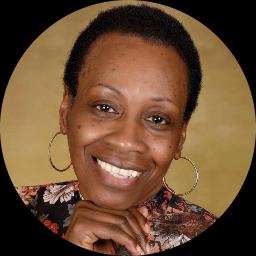
LaVerne Merritt-Morrison
LMHC
New York - 30 yrs exp












How CBT specifically treats social anxiety and phobia
Cognitive-behavioral therapy approaches social anxiety by addressing the two core elements that maintain anxious patterns - the thoughts you have about social situations and the behaviors you use to avoid them. In CBT you work with a clinician to identify recurring thoughts and beliefs that make social situations feel threatening. Those thoughts might include expectations of negative evaluation, overestimations of the chances of embarrassment, or rigid rules about how you must perform. Through guided exercises you learn to test these beliefs and to generate alternative ways of interpreting social cues.
Alongside cognitive work, behavioral techniques help you change what you do in social situations. Exposure is central - carefully planned steps that put you into the kinds of interactions you tend to avoid, starting with less challenging scenes and progressing to more difficult ones. Behavioral experiments let you test predictions in the real world, such as whether people react as negatively as you feared. Role plays and skills practice help you build conversational skills, manage physical anxiety symptoms, and increase your tolerance for uncertainty. Homework assignments between sessions are an essential part of this process so that gains made in therapy carry over into everyday life.
The interplay of thought and action
CBT treats thoughts and behaviors as interconnected. Changing avoidance behaviors gives you more opportunities to collect evidence that challenges anxious predictions. Similarly, learning to reappraise automatic negative thoughts reduces the intensity of anxiety and makes exposures more manageable. Your therapist will typically blend cognitive restructuring, behavioral exposures, and practical skill-building to create a personalized plan based on your specific fears and life context.
Finding CBT-trained help for social anxiety and phobia in New York
When you search for a CBT therapist in New York, look for clinicians who emphasize cognitive-behavioral methods and who can describe how they structure treatment for social anxiety. In larger metro areas like New York City you will find a wide range of clinicians with advanced CBT training, including those experienced in exposure protocols and social skills training. In upstate communities such as Buffalo and Rochester there are therapists offering both in-person and remote CBT options, and smaller cities like Albany and Syracuse typically have clinicians who combine CBT with practical coaching for everyday social demands.
Consider whether you prefer in-person meetings or online sessions. In-person therapy can be easier for hands-on role play and building rapport quickly. Telehealth expands your choices, especially if you live outside large urban centers, and it allows you to work with providers across the state. When contacting potential therapists ask about their direct experience treating social anxiety, whether they use structured CBT manuals or measurement-based care, and how they adapt exposure work to your schedule and life commitments.
What to expect from online CBT sessions for social anxiety and phobia
Online CBT follows the same core principles as in-person work but adapts practical elements to the virtual setting. Sessions typically last 45 to 60 minutes and include a mix of reviewing homework, practicing cognitive techniques, planning exposures, and rehearsing social interactions through role play on camera. Your therapist may use screen-sharing to walk through thought records, worksheets, or steps for graded exposure. You will be asked to complete between-session assignments because real-world practice is essential for progress.
Exposures can be arranged to take place during or outside of video sessions. For example, you might conduct a supervised phone call or a short in-person interaction while the clinician observes by video. Therapists often support you in identifying opportunities in your daily life where exposures can take place, and they help you break tasks into manageable steps. You should plan to participate from a private space at home or another place where you can speak openly and carry out exercises without interruption. Discuss technical needs and any accessibility preferences up front so that the online format feels comfortable and practical for you.
Evidence supporting CBT for social anxiety and phobia in New York
CBT is one of the most widely studied therapies for social anxiety and phobia and is recommended by many clinical guidelines because of its consistent outcomes. Research generally shows that CBT reduces avoidance and lowers self-reported anxiety in social situations by helping people change unhelpful thinking patterns and gradually face feared interactions. In New York the clinical community incorporates these evidence-based strategies across a variety of settings, from private practices in Manhattan and Brooklyn to community clinics and university-based programs. Many clinicians in the state are trained in specific CBT protocols and track progress using standardized measures to ensure therapy is producing measurable improvements.
While evidence supports the effectiveness of CBT for many people, outcomes depend on treatment engagement, the quality of the therapeutic relationship, and how well the therapist tailors techniques to your life. A therapist who listens to your goals and collaborates with you on exposure planning tends to produce better results than a one-size-fits-all approach.
Tips for choosing the right CBT therapist for social anxiety and phobia in New York
Choosing a therapist is a personal decision. Start by identifying priorities such as geographic convenience, availability for evening appointments, insurance acceptance, and the option of online sessions. If you live in or near New York City you will have the broadest selection, but clinicians in Buffalo, Rochester, Albany, and Syracuse can offer excellent CBT care and sometimes more affordable options. When you reach out, ask how long they have worked with social anxiety and what specific CBT techniques they use. Ask about the role of exposure in their practice and how they help clients manage the discomfort that comes with facing feared situations.
It can be helpful to request a brief phone consultation before committing to sessions so you can get a sense of the therapist's style and whether you feel heard. Ask how they measure progress and what a typical course of treatment looks like for social anxiety. Discuss practical matters such as session frequency, homework expectations, fees, sliding scale availability, and their policy for cancellations or urgent concerns. A good match often comes down to whether you feel understood and whether the therapist’s plan aligns with your goals.
Preparing for your first CBT appointment
Before your first session think about specific situations that cause anxiety - a presentation, a party, dating, or speaking up at work. Describe recent examples and the thoughts and behaviors that accompanied them. Bringing concrete instances helps your therapist design targeted exposures and cognitive strategies. Be ready to discuss what you have already tried and what has or has not worked for you. Therapy is a collaborative process so clear communication about your priorities and concerns will help your clinician tailor the approach to your needs.
Whether you choose a therapist in New York City, Buffalo, Rochester, or elsewhere in the state, CBT offers structured tools that many people find helpful for reducing avoidance and building confidence in social situations. Use the listings above to compare profiles, read about each therapist's training in CBT, and reach out to set up an initial consultation. Taking that first step can help you begin a practical, skills-based path toward managing social anxiety and phobia.