Find a CBT Therapist for Self Esteem in New York
On this page you will find CBT-trained therapists across New York who specialize in self esteem concerns. Listings highlight clinicians who use Cognitive Behavioral Therapy to help you build healthier self-beliefs and behaviors. Browse the profiles below to compare approaches, availability, and locations.







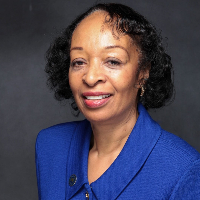
Lauren Porter
LMHC
New York - 7 yrs exp















How Cognitive Behavioral Therapy Addresses Self-Esteem
When you struggle with low self-esteem, your inner narrative often shapes what you feel and how you act. CBT starts by helping you identify repetitive thought patterns that lead to harsh self-judgment. You work with a therapist to notice automatic thoughts - those quick, often negative statements your mind makes about your worth or abilities - and to test whether those thoughts are accurate or helpful.
Changing those patterns involves two linked processes. The first is cognitive restructuring, where you learn to challenge distorted beliefs and replace them with more balanced, evidence-based perspectives. The second is behavioral experimentation, where you try new, small-scale actions that test old assumptions about yourself. Over time, these cognitive and behavioral changes work together - as you act differently, you gather new evidence that alters how you think, and as your thoughts shift, you feel more able to try different behaviors.
Targeting Specific Self-Esteem Themes
CBT is practical and focused, so you and your therapist will typically narrow in on the themes that matter most to you. That might include perfectionism, social comparison, fear of failure, or internalized criticism. By tracing how a specific thought leads to a reaction - for example, ‘‘If I make a mistake, people will see I am incompetent’’ - you can test the thought, plan safer behavioral experiments, and build alternative narratives that reflect a fuller view of your strengths and growth areas.
Finding CBT-Trained Help for Self-Esteem in New York
Searching for a therapist who emphasizes CBT can make a meaningful difference in how quickly and directly you see shifts. In New York you have access to clinicians who focus on evidence-based approaches, including in urban centers like New York City and in regional hubs such as Buffalo and Rochester. Start by looking for therapists who list CBT, cognitive therapy, or cognitive-behavioral approaches on their profiles and who describe specific work with self-esteem or self-critical thinking.
Local training and supervision can also matter. Many therapists continue professional development in CBT techniques and related skills such as behavioral activation, schema-focused work, or acceptance-based cognitive strategies. If a profile mentions ongoing training or membership in professional CBT organizations, that can be a sign the clinician keeps current with practical tools that help people improve self-esteem.
Balancing In-Person and Remote Options
Where you live in New York will shape your options. If you are in New York City you may have access to a dense network of clinicians offering a wide range of CBT specializations. In places like Albany, Syracuse, or Buffalo, therapists often provide both in-person sessions and online appointments to reach clients across more dispersed communities. When you select a clinician, consider whether you prefer meeting in person in a comfortable environment or working from your own private space at home via video - both formats can support effective CBT work when the therapeutic fit is right.
What to Expect from Online CBT Sessions for Self-Esteem
If you choose online CBT, the structure often looks similar to in-person work but with some practical differences that can benefit you. Sessions typically begin with a collaborative assessment of patterns that undermine your self-esteem, followed by concrete goal-setting. Your therapist may assign short, practical exercises between sessions designed to test beliefs and experiment with behaviors in real-world situations. You should expect a mix of talking, structured worksheets or thought records, and homework tasks that help you practice new skills outside the session.
Online work can be especially useful for practicing social skills or exposure tasks in settings you actually navigate, because you can arrange real-life experiments in your community and then debrief with your therapist remotely. Some people find it easier to open up from a familiar room at home, while others prefer the separation of an office visit. Either way, the therapeutic relationship and the consistency of practicing cognitive and behavioral techniques are the key mechanisms that support change.
Evidence Supporting CBT for Self-Esteem
Research and clinical experience indicate that CBT-based interventions can be effective in helping people reframe negative self-evaluations and develop more balanced self-perceptions. Studies often show that focused cognitive and behavioral strategies lead to improvements in the ways people think about themselves and in the behaviors they use to navigate challenges. In practical terms, CBT gives you tools to notice unhelpful thought patterns, gather evidence that contradicts those patterns, and take small behavioral steps that reinforce new beliefs.
In New York you will find therapists who translate this evidence into tailored treatment plans that fit your life circumstances. Whether you live in a busy neighborhood of New York City or in a smaller community like Rochester, a trained CBT clinician can adapt exercises and experiments to the contexts that matter to you - from workplace interactions to family dynamics and social activities.
Choosing the Right CBT Therapist for Self-Esteem in New York
Finding the right therapist is part clinical match and part personal fit. Start by reading profiles to understand each clinician's background with CBT and with self-esteem work. Look for descriptions of specific tools they use - for example, thought records, behavioral experiments, or structured goal-setting - and consider whether those match what you hope to work on. It helps to review information about session length, fees, and whether the therapist offers in-person meetings in cities such as Buffalo or Albany or remote sessions that reach clients across the state.
When you contact a therapist, use an initial conversation to ask how they typically structure work on self-esteem and what early steps they would recommend. A good clinician will explain their approach in clear terms, outline what they expect from you between sessions, and invite your input on goals. Trust your sense of rapport - you should feel listened to and understood, and you should come away with a sense that the plan is practical and achievable.
Practical Considerations
Consider scheduling flexibility, compatibility with your daily life, and how comfortable you feel with the therapist's communication style. If you are balancing work or family demands, ask about evening or weekend availability. If you live in or near New York City, you might prioritize clinicians with office locations that are easy to reach by transit. If you are in a more rural part of the state, remote options can widen your choices and connect you with therapists who specialize in self-esteem and CBT across New York.
Finally, give yourself permission to try a few sessions and evaluate how the process is working for you. CBT is active and skill-based, so the early phase of therapy often involves tangible exercises that should quickly give you a sense of direction. If something does not feel right - whether it is the therapist's style or the pace of work - it is reasonable to discuss adjustments or to look for another clinician who better fits your needs.
Moving Forward with CBT for Self-Esteem
Improving self-esteem with CBT is a gradual and collaborative process. You will learn tools to question unhelpful thoughts, test new behaviors, and build a more balanced view of yourself. In New York you can find therapists trained in these techniques in diverse settings ranging from bustling New York City neighborhoods to regional centers like Rochester and Buffalo. By focusing on clear goals, practicing between sessions, and choosing a therapist whose approach resonates with you, you increase the likelihood that CBT will be a useful framework for strengthening self-regard and improving how you engage with the world.
Begin by reviewing the therapist profiles above, reach out to a clinician whose approach aligns with your needs, and consider a short initial commitment to see how CBT feels for you. With consistent practice and a therapist who guides practical experiments and cognitive work, you can build skills that change how you think, behave, and feel about yourself over time.