Find a CBT Therapist for Gambling in New York
This page connects people in New York with therapists who use cognitive behavioral therapy to treat gambling-related concerns. Explore clinician profiles below to compare approaches, credentials, and availability and choose a CBT-focused provider near you.


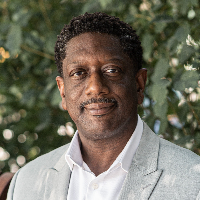
LaVerne Merritt-Morrison
LMHC
New York - 30 yrs exp














How cognitive behavioral therapy addresses gambling
Cognitive behavioral therapy, often called CBT, approaches gambling by working on the thoughts and behaviors that maintain risky patterns. CBT helps you identify the gambling-related beliefs that push you to chase losses or expect big wins, and it teaches practical tools to change how you respond when urges arise. The focus is on learning skills you can use in everyday situations - recognizing triggers, testing unhelpful beliefs through behavioral experiments, and building alternative routines that reduce the power of gambling cues.
Cognitive mechanisms
Many people who struggle with gambling hold specific expectations or distortions that contribute to repeated behavior. You might overestimate your control in games of chance, interpret near-misses as signs you are close to winning, or believe that a big win is just around the corner. In CBT you learn to examine and challenge those beliefs. Through guided questioning and experiments you test whether those assumptions hold up in the real world and develop more realistic appraisals that make risky choices less compelling.
Behavioral mechanisms
On the behavioral side, CBT targets the routines and environmental cues that cue gambling. Therapists help you map the situations, times of day, and emotional states that trigger play. Then you learn to change your environment and responses - for example by avoiding high-risk venues or websites at trigger times, delaying a response when an urge arises, and practicing alternative activities that fulfill the same needs, such as social connection or excitement. Over time those new routines weaken the reinforcement that keeps gambling behavior in place.
Finding CBT-trained help for gambling in New York
When you look for a therapist in New York, seek clinicians who explicitly describe CBT training and experience treating gambling-related concerns. Licensed professionals in the state hold credentials such as licensed clinical social worker, psychologist, mental health counselor, or marriage and family therapist, and many pursue postgraduate certification or workshops in CBT for addictive behaviors. You can search clinician profiles to see whether they list specific CBT techniques like cognitive restructuring, exposure and response prevention, behavioral experiments, and relapse prevention as part of their work.
Resources for locating CBT-trained clinicians include university clinics, outpatient behavioral health centers, and specialty programs in larger hospitals. In urban areas like New York City you will often find clinicians with concentrated training in gambling treatment and collaborations with financial counseling services. In regional centers such as Buffalo and Rochester there are experienced clinicians and community programs that incorporate CBT principles into treatment. If you are in the Capital Region or near Albany or in central New York near Syracuse, you can also find providers who offer flexible scheduling and telehealth options to bridge travel distances.
What to expect from online CBT sessions for gambling
Online CBT sessions follow many of the same steps as in-person work, but with conveniences that matter for busy schedules or for people living outside major metro areas. Your first sessions typically focus on assessment - clarifying how gambling affects your life, mapping triggers, and setting measurable goals. Subsequent sessions combine cognitive work and behavioral practice. You will often receive worksheets or exercises to complete between appointments, and your therapist may ask you to track urges, wins and losses, and the contexts in which gambling occurs.
Therapy frequency varies but is often weekly at the start, becoming less frequent as you consolidate skills and reduce problem behaviors. When you meet online you should expect clear agreements about scheduling, fees, and what to do in crisis situations. The video approach allows therapists to use screen-sharing for worksheets, to review logs together, and to assign audio or video material for homework. Many people find that the convenience of online work makes it easier to maintain consistency, which is a key ingredient for change.
Evidence supporting CBT for gambling
Research on cognitive behavioral therapy shows consistent benefits for reducing gambling behavior and improving coping skills. Clinical trials and reviews generally find that CBT reduces the frequency and intensity of gambling, helps people regain control over impulsive spending, and supports the development of relapse prevention strategies. Studies include a range of formats from individual CBT to group-based programs, and evaluations often highlight the therapy's emphasis on skills training and behavioral change as especially useful for gambling problems.
In New York, practitioners draw on that evidence base while adapting treatment to local realities - the dense urban gambling environments of New York City, the regional venues in Buffalo and Rochester, and the varying availability of services across rural and suburban areas. The principles remain consistent: assessing gambling-related harm, identifying the cognitive and behavioral drivers, and teaching practical tools that help you reduce harm and rebuild financial and interpersonal stability.
Tips for choosing the right CBT therapist in New York
Choosing a therapist is a personal decision and you should feel comfortable asking questions before you commit. Start by confirming that a clinician has experience applying CBT techniques to gambling-focused issues. Ask about their training, whether they use manualized CBT for addictive behaviors, and how they measure progress. Discuss logistics - whether they offer in-person sessions near your city or telehealth options if you live outside major centers. If location matters, check for therapists who practice in or near New York City, Buffalo, Rochester, Albany, or Syracuse, or who provide statewide teletherapy.
Inquire about whether the therapist works with co-occurring challenges, such as anxiety, depression, or financial stress, because these often intersect with gambling. Ask how they integrate family involvement or financial counseling if you want that support. Discuss session frequency, expected treatment length, and the type of homework or tracking you will be asked to do. If cost is a concern, ask about insurance participation, sliding scale fees, or referral options to community resources. You can also ask prospective therapists about outcome tracking - reliable clinicians will be able to describe how they monitor symptom change or behavioral progress.
Navigating local resources and next steps
When you are ready to reach out, use the listings on this page to compare clinician profiles and make initial contacts. Prepare a short summary of what you hope to change and any practical constraints like scheduling or budget. During a first call or consultation notice how the therapist explains the CBT approach and whether the plan feels tailored to your specific situation. If the initial match is not right, it is reasonable to try another clinician until you find someone whose approach and style fit your needs.
Whether you live amid the fast pace of New York City or in the quieter neighborhoods of Buffalo, Rochester, Albany, or Syracuse, CBT offers a structured, skills-based path for reducing gambling harm. With the right clinician you can learn to identify triggers, shift unhelpful beliefs, and build routines that support more balanced choices. Use the profiles below to start comparing options and to schedule an initial consultation that moves you toward the next step in recovery and rebuilding.