Find a CBT Therapist for Addictions in New York
This page connects you with cognitive behavioral therapy (CBT) clinicians who focus on addictions in New York. Browse therapist profiles below to compare approaches, locations, and availability.
Whether you are in New York City, Buffalo, Rochester or elsewhere in the state, you can use the listings to find a CBT-informed clinician who fits your needs.






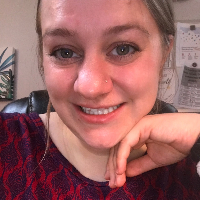
Lauren Porter
LMHC
New York - 7 yrs exp














How CBT Addresses Addictions
Cognitive behavioral therapy is built on the idea that thoughts, feelings, and behaviors interact. When you are dealing with an addiction, patterns of thinking and learned behaviors often reinforce use. CBT helps you identify unhelpful thoughts that lead to craving or use and experiment with alternative responses. By examining beliefs about outcomes, self-image, and triggers, you can begin to shift the mental habits that keep addictive behaviors in place.
Therapists trained in CBT work with you to map the situations that lead to use, the immediate thoughts you experience, and the actions that follow. Sessions typically involve skill-building in areas such as coping strategies for cravings, problem solving for high-risk situations, and behavioral planning to reduce exposure to triggers. Over time, these skill sets aim to replace automatic reactions with intentional responses, which can reduce the frequency and intensity of substance use or other addictive behaviors.
Practical techniques used in CBT
Techniques frequently used in CBT for addictions include cognitive restructuring - learning to notice and test distorted thoughts - and behavioral experiments that let you test new responses in real life. You may practice urge-surfing, a way to observe craving without acting on it, or activity scheduling to rebuild routines that support recovery. Therapists often combine these interventions with relapse prevention planning, helping you anticipate challenges and create concrete strategies for staying on track.
Finding CBT-Trained Help for Addictions in New York
When you search for a CBT therapist in New York, look for clinicians who explicitly state CBT or cognitive behavioral approaches in their profiles. Many therapists who treat addictions also integrate related methods such as motivational enhancement or contingency management, but a CBT focus means sessions will center on changing thinking and behavior patterns. You will find qualified practitioners in metropolitan areas like New York City, as well as in Buffalo, Rochester, Albany, and Syracuse, where urban and regional clinics offer a range of services from short-term focused therapy to longer-term care.
Consider the setting that suits you. Some people prefer in-person visits at local offices, which can be helpful when you want direct community-based supports. Others choose online sessions for convenience, particularly if you live in a more rural part of the state. Many therapists in New York offer flexible scheduling to accommodate work and family commitments, and several clinicians specialize in working with particular populations such as young adults, parents, or people with co-occurring mental health concerns.
What to Expect from Online CBT Sessions for Addictions
If you opt for online CBT, sessions usually follow the same structure as in-person therapy. You and your therapist will agree on goals, track progress, and practice skills during and between sessions. Early meetings often focus on assessment and goal setting - understanding the history of your use, identifying triggers, and establishing what you hope to change. Subsequent sessions typically move into focused skill work, using role plays, thought records, and real-time coaching to help you apply new strategies.
Online CBT can make it easier to attend consistent appointments, particularly if you have limited transportation options or live outside major cities. You can access clinicians licensed in New York whether you live in Manhattan, the suburbs, or upstate. Many therapists will also work with you to coordinate care with medical providers or community programs when that is helpful for comprehensive support. Technology can be used to share worksheets, set reminders for practice, and chart progress between appointments, which helps maintain momentum outside the session.
Evidence Supporting CBT for Addictions
Research and clinical experience indicate that CBT is a durable approach for various addictive behaviors because it teaches practical skills you can use long after formal therapy ends. Studies have shown that structured CBT interventions reduce substance use and help people manage cravings by changing the underlying cognitive and behavioral processes that prompt use. While outcomes vary based on factors such as motivation, severity, and co-occurring conditions, clinicians in New York increasingly incorporate CBT principles in addiction treatment due to its emphasis on measurable goals and observable skills.
In practice, CBT is often combined with other evidence-informed supports, such as peer groups, medication-assisted treatment when appropriate, and social services that address housing or employment. The integration of CBT with broader community resources available in cities like New York City, Buffalo, and Rochester makes the approach adaptable to diverse needs. When you choose a CBT therapist, ask how they measure progress and what success looks like for the type of addiction you are addressing.
Tips for Choosing the Right CBT Therapist in New York
Start by clarifying what you want from therapy and how you prefer to work. Some people want brief, goal-focused work to reduce risky use, while others seek longer-term support to address underlying issues. Read therapist profiles to find those who emphasize CBT and who describe experience with addictions. Pay attention to whether they mention relapse prevention, craving management, or work with specific substances or behaviors.
Location and logistics matter. If you prefer in-person sessions, look for clinicians near you in neighborhoods across New York City or community clinics in Buffalo or Albany. If online sessions are better, confirm that the therapist is licensed to practice in New York and offers telehealth options. Asking about session length, frequency, and typical homework expectations will help you decide if their style matches your needs.
During an initial consultation, note how the therapist explains CBT and whether they offer clear strategies you can try between sessions. A good CBT clinician will provide concrete tools, assign practice exercises, and review progress regularly. You should feel that the plan is collaborative and focused on rebuilding daily routines, managing triggers, and strengthening coping skills. If you have co-occurring concerns like anxiety or depression, find a therapist experienced in integrated care, since these issues often interact with addictive behaviors.
Consideration of cultural and regional context
New York is diverse, and cultural factors can shape how addiction is experienced and treated. Seek therapists who demonstrate cultural sensitivity and familiarity with the communities you are part of. This might mean clinicians who work with specific age groups, languages, or cultural backgrounds, or those who understand the local services and supports available in cities such as Syracuse or Rochester. A therapist who recognizes the social and environmental elements of addiction will be better able to tailor CBT strategies to your life.
Taking the Next Step
Finding a CBT therapist who matches your needs can feel like an important first step toward change. Use the listings on this page to compare clinicians by approach, availability, and location. When you contact a potential therapist, prepare a few questions about their CBT experience with addictions, how they measure progress, and what you can expect in the early weeks of therapy. With a clear plan and practical skills, CBT can give you tools to manage cravings, reduce risky use, and build routines that support recovery across New York City, Buffalo, Rochester, Albany, and beyond.