Find a CBT Therapist for Sexual Trauma in New Mexico
This page highlights therapists in New Mexico who use cognitive behavioral therapy to address sexual trauma. Browse listings below to compare clinicians in Albuquerque, Santa Fe, Las Cruces and surrounding areas who offer trauma-focused CBT.






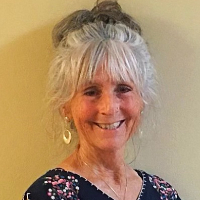
Sarah Bentley
LPCC, LMHP
New Mexico - 10 yrs exp









How CBT addresses sexual trauma
If you have experienced sexual trauma, cognitive behavioral therapy helps by focusing on the relationship between thoughts, feelings and behaviors. Trauma can leave you with beliefs that the world is unsafe, that you are to blame, or that emotions are unbearable. CBT works to identify those unhelpful thoughts and to test them against evidence, so over time you can develop more balanced and flexible ways of thinking about yourself and what happened.
On the behavioral side, trauma often leads to avoidance - steering clear of people, places or memories that trigger intense distress. Avoidance can reduce anxiety in the short term but tends to maintain or worsen symptoms. A CBT-trained therapist helps you gradually face fears and reclaim activities that matter to you, using step-by-step practice that feels manageable. You will also learn practical skills to manage intense emotions in the moment, including grounding, breathing techniques and strategies to reduce hyperarousal. The combined cognitive and behavioral work creates a path toward reduced distress and improved daily functioning.
What CBT sessions for sexual trauma typically involve
When you begin CBT for sexual trauma, the first sessions usually focus on building safety and establishing goals. Your therapist will ask about your history, current symptoms, and what you hope to change. Together you will develop a treatment plan that lists concrete goals, such as sleeping more consistently, reducing panic when reminded of the event, or feeling more comfortable in intimacy.
Sessions tend to be structured and skill-oriented. You will learn to notice automatic thoughts that escalate distress and to test them with evidence. Homework is a core feature of CBT - between sessions you may practice a new coping skill, track thoughts and emotions, or try a gradual behavioral experiment designed to reduce avoidance. Over time the emphasis shifts from symptom reduction to building resilience and reclaiming meaningful activities.
Exposure work and trauma-focused methods
Many CBT therapists who treat sexual trauma use carefully paced exposure techniques to help you process distressing memories or reminders. Exposure can take different forms, including writing about a memory, imagining a scene in a controlled way, or facing avoided situations in real life. A skilled therapist guides this work to keep it tolerable while helping you update unhelpful beliefs about danger and harm. Exposure is not about reliving trauma for its own sake - it is about gaining mastery and reducing the power that memories have over your daily life.
Finding CBT-trained help for sexual trauma in New Mexico
Searching for a therapist who combines CBT expertise with experience treating sexual trauma is an important step. In New Mexico you can look for licensed clinicians who list trauma-focused CBT training or who note experience with sexual trauma on their profiles. Pay attention to professional credentials such as psychologist, licensed clinical social worker, licensed professional counselor or marriage and family therapist, and read descriptions for references to trauma work and CBT-based methods.
Consider the setting that fits your needs. Urban centers like Albuquerque and Santa Fe tend to offer a wider variety of specialists and clinics, while communities in Las Cruces and Rio Rancho may have practitioners whose schedules are easier to access. Many therapists in the state also provide telehealth appointments, which can expand your options when in-person travel is difficult. When you review listings, look for clinicians who describe their approach, common session activities and whether they offer initial consultations to discuss fit.
What to expect from online CBT sessions for sexual trauma
If you choose online sessions, expect a similar therapeutic structure to in-person CBT with adaptations for the virtual format. Most online sessions are scheduled for 45 to 60 minutes and follow the same agenda-based approach: check-in, skill practice, review of homework and planning for the next week. You will still work on cognitive restructuring, emotion regulation skills, and carefully paced exposure exercises, with the therapist guiding you through each step over a protected video connection or phone call.
For online work it helps to arrange a private space where interruptions are minimized. You may be asked to use headphones and to confirm that you have a reliable internet connection. Your therapist will discuss boundaries and safety planning, including what to do if you experience intense distress between sessions and how to access local resources if needed. Online CBT can be especially helpful if you live outside major cities like Albuquerque or Santa Fe, or if scheduling and mobility are concerns.
Evidence and local practice in New Mexico
National and international research indicates that CBT-based approaches are among the most studied treatments for trauma-related symptoms. Therapists in New Mexico draw on those evidence-based techniques while adapting care to local communities and cultural contexts. Many clinicians combine cognitive restructuring and behavioral exposure with attention to cultural identity, family systems and community resources that matter in places like Albuquerque, Santa Fe and Las Cruces.
When evaluating evidence, consider what matters to you: reductions in intrusive memories, improved sleep, greater confidence in relationships, or better day-to-day coping. Discuss outcome expectations with a prospective therapist so you have a realistic understanding of timeframes and milestones. Local providers often integrate CBT with other supportive practices to address the whole person and to respect cultural and linguistic needs.
Tips for choosing the right CBT therapist for sexual trauma in New Mexico
Choosing a therapist is a personal decision. Start by looking for clinicians who explicitly mention training in trauma-focused CBT or who describe experience working with sexual trauma survivors. It is reasonable to ask about specific training, years of experience, and whether the therapist regularly uses cognitive and behavioral techniques in session. Ask how they tailor CBT to address trauma-related shame, trust issues and boundary concerns.
Think about cultural fit and accessibility. New Mexico has a rich cultural landscape, including Hispanic, Native and multiethnic communities. If cultural understanding is important to you, inquire about the therapist's experience working with clients from similar backgrounds or with bilingual capabilities. Practical considerations matter too - check availability, session length, fees and whether the clinician accepts your insurance or offers sliding scale options.
Trust your instincts. An initial consultation is an opportunity to sense how the therapist listens and whether their style feels supportive. Good CBT therapists explain techniques clearly, invite questions about methods, and involve you in setting goals. If a therapist's approach does not feel like a fit after a few sessions, it is acceptable to seek another clinician. The right match supports steady progress and helps you feel respected throughout the therapeutic process.
Moving forward in New Mexico
Searching for CBT care in New Mexico means balancing clinical expertise, cultural fit and logistics. Whether you live in Albuquerque, Santa Fe, Las Cruces or another community, take time to review profiles, ask targeted questions and arrange an initial conversation. CBT offers practical tools and a structured path for working with sexual trauma, and clinicians across the state can adapt those tools to support your specific needs and goals.
When you are ready, use the listings above to connect with therapists who specialize in trauma-focused CBT. An initial call can clarify approach, availability and whether you want to begin a course of treatment. Thoughtful selection and a collaborative relationship with your therapist are central to making progress and regaining a greater sense of control over your life.